
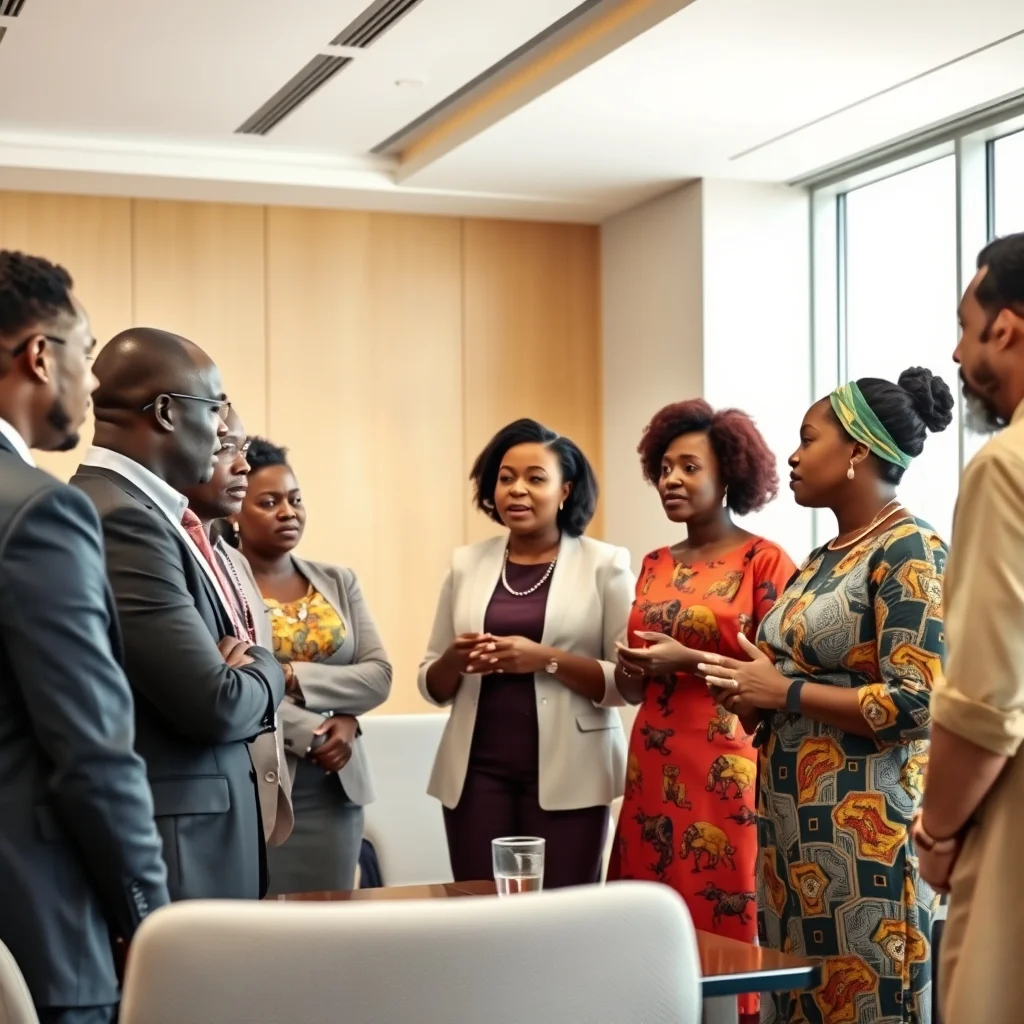
The Ministry of Gender, Children and Social Protection (MoGCSP) in Ghana has actively engaged with media professionals to bolster the implementation of the recently enacted Affirmative Action (Gender Equity) Act, 2024 (Act 1121). This initiative aims to foster deeper public comprehension of the law and stimulate ongoing national dialogue on gender equality, inclusion, and equitable participation in development.
A Milestone for Gender Equality
Dr. Agnes Naa Momo Lartey, the Minister for Gender, Children and Social Protection, highlighted the Act’s passage as a pivotal achievement in Ghana’s journey toward gender equality and inclusive national development. She emphasized that the legislation reflects the government’s dedication to ensuring fairness and equal opportunities, particularly for women’s full participation in decision-making processes across all societal sectors.
The Act introduces clear, legally enforceable measures designed to rectify existing gender disparities. These measures span political, economic, educational, and social domains, with a focus on promoting gender-responsive policies and establishing accountability mechanisms within various institutions.
Media’s Crucial Role in Implementation
Minister Lartey stressed that the Act’s success hinges on widespread public awareness, robust collaboration among stakeholders, and sustained national commitment. She specifically underscored the media’s indispensable role in shaping public perception, driving understanding, and ensuring accountability regarding gender equality issues.
The Minister called upon media practitioners to leverage their platforms for public education, to challenge entrenched social norms that perpetuate inequality, and to amplify the voices of women and girls. The MoGCSP has pledged to maintain a collaborative relationship with the media to ensure effective public sensitization and the successful implementation of the Act.
Insights into Implementation Strategies
During the engagement, a detailed presentation outlined the strategies for implementing the Affirmative Action (Gender Equity) Act, 2024. Media practitioners gained valuable insights into the operational framework, the specific responsibilities of various institutions, and the mechanisms in place to ensure compliance with the Act’s provisions.
The presentation underscored the vital support the media can provide in raising awareness and fostering public understanding of this significant legislation. This educational component is crucial for building broad societal buy-in and ensuring the Act’s objectives are met.
Promoting Discourse and Challenging Norms
A subsequent panel discussion delved into the media’s role in advancing the Act’s implementation and promoting gender equity more broadly within Ghana. Participants explored practical ways the media can contribute to public sensitization campaigns, influence public discourse positively, and actively challenge harmful social norms.
The discussions also focused on how media outlets can effectively highlight issues related to gender equality and social inclusion, ensuring these critical topics remain at the forefront of national conversations. The engagement brought together a diverse group of media representatives, MoGCSP officials, and other key stakeholders, fostering a collaborative environment for advancing gender equity.
Looking Ahead: Sustaining Momentum
The Ministry, represented by Mr. Ebenezer Charway, Director of Administration, reaffirmed its commitment to ongoing engagement with the media. This sustained dialogue is seen as essential for the effective implementation of the Affirmative Action (Gender Equity) Act. The Ministry also acknowledged the media’s ongoing contributions to informed public discourse and education on national matters.
The successful passage and initial push for implementation of the Affirmative Action (Gender Equity) Act signal a significant step forward for Ghana. The focus now shifts to how effectively the Act will be enforced and how media partnerships will translate into tangible progress in achieving gender equity across all facets of Ghanaian society. Continued vigilance and active participation from all sectors, particularly the media, will be crucial in monitoring progress and holding institutions accountable to the Act’s provisions.










Leave a Reply