
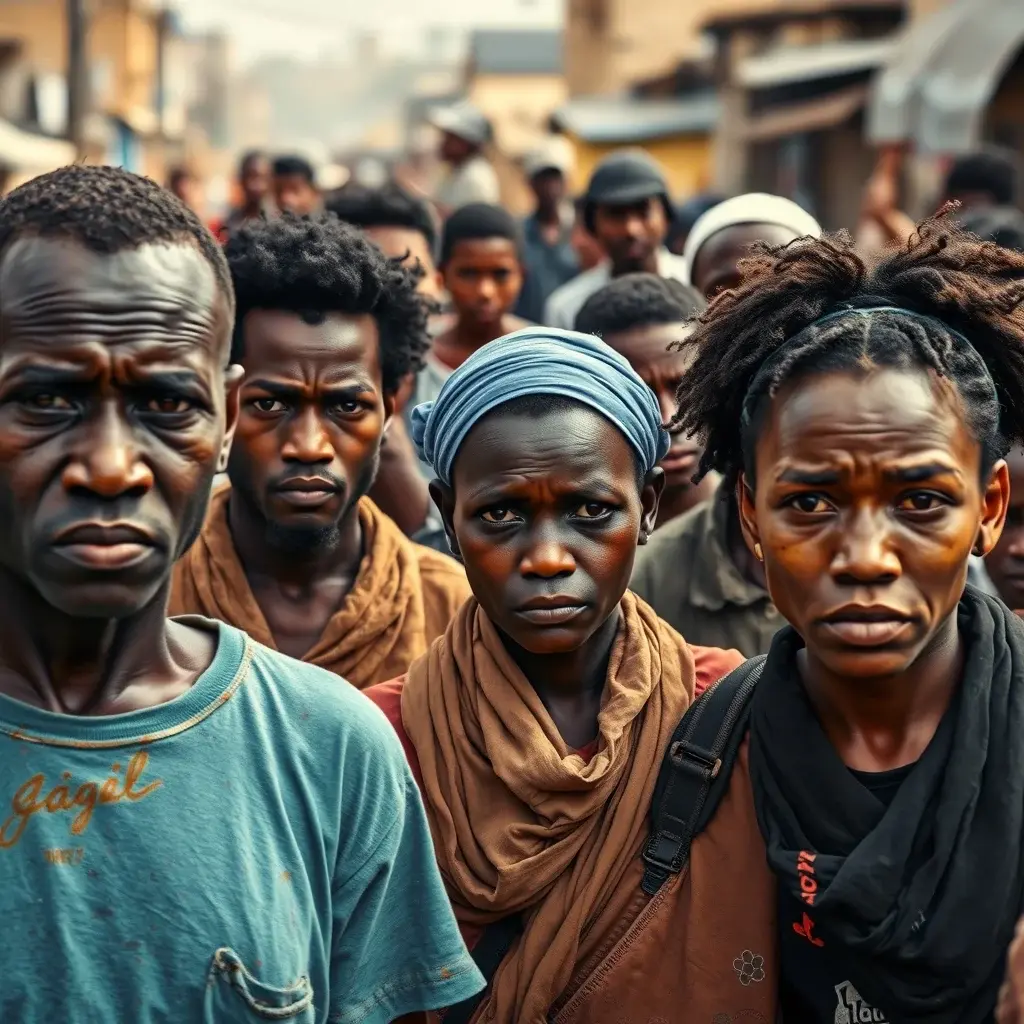
Accra, Ghana – Ghana’s Foreign Affairs Minister, Samuel Okudzeto Ablakwa, has vehemently condemned the recent wave of xenophobic attacks targeting African migrants in South Africa. Speaking on JoyNews’ Newsfile programme on Saturday, Ablakwa described the violence as a deeply troubling manifestation of hostility directed at fellow Africans, undermining the core principles of continental unity and solidarity. He highlighted the specific concern that these attacks appear to disproportionately target individuals from neighboring African countries seeking opportunities, while migrants of different racial backgrounds often face less overt aggression.
Rising Hostility and Undermining African Unity
Minister Ablakwa expressed profound disappointment that the perpetrators of these attacks seem to exhibit particular hatred towards people from other African nations. He stated, “They are other migrants but they don’t bother about those migrants of a different skin colour. They (South Africans) exhibiting hatred for fellow Africans.” This sentiment directly contradicts the foundational ideals of the African Union, which champions integration, cooperation, and mutual respect among member states.
The minister argued that such violence not only inflicts suffering on vulnerable communities but also jeopardizes the broader vision of a united and prosperous Africa. “It goes against everything the African Union stands for,” he asserted, emphasizing the need for Africans to support and uplift one another rather than engage in destructive internal conflicts.
Call for Tolerance and Integration
Ablakwa’s remarks underscore a growing concern across the continent regarding the resurgence of xenophobia in South Africa. Historically, South Africa has faced periodic outbreaks of violence against foreign nationals, often fueled by economic anxieties and social tensions. These incidents have repeatedly drawn international criticism and cast a shadow over the nation’s post-apartheid progress.
The Ghanaian minister’s call for greater efforts to foster tolerance and strengthen inter-African relations comes at a critical juncture. As the continent strives for greater economic integration through initiatives like the African Continental Free Trade Area (AfCFTA), internal divisions and hostility pose significant obstacles. The free movement of people and goods, a cornerstone of economic development, is directly threatened by environments where migrants are not welcomed.
Expert Perspectives and Data
While specific data on the recent attacks was not detailed in the minister’s statement, previous reports from organizations like the UN Refugee Agency (UNHCR) and Human Rights Watch have documented the prevalence and devastating impact of xenophobic violence in South Africa. These reports often cite factors such as high unemployment rates, competition for scarce resources, and inflammatory rhetoric as contributing elements to such outbreaks.
Scholars and policy analysts have long warned that xenophobia is not merely a social issue but a significant impediment to Africa’s development agenda. It erodes trust between nations, discourages investment, and hinders the free flow of talent and labor essential for economic growth. The narrative of Africans attacking fellow Africans also plays into negative stereotypes, potentially impacting global perceptions of the continent.
Implications for Africa’s Future
Minister Ablakwa’s strong condemnation serves as a reminder to all African nations of their shared responsibility in creating a continent where all citizens feel safe and welcome. The implications of unchecked xenophobia are far-reaching, potentially leading to retaliatory actions, diplomatic tensions, and a significant setback for the dream of a truly united Africa.
The ongoing situation in South Africa highlights the urgent need for robust legal frameworks, effective law enforcement, and sustained public awareness campaigns to combat prejudice and discrimination. Furthermore, it points to the necessity of addressing the root socio-economic causes that can fuel such hostility. As the continent looks towards a future of increased collaboration and shared prosperity, fostering a culture of inclusivity and mutual respect among all Africans is paramount.
Looking ahead, observers will be watching to see what concrete measures South Africa implements to prevent future attacks and ensure justice for victims. The response from regional bodies like the African Union and the broader international community will also be crucial in signaling the continent’s commitment to upholding the principles of human dignity and solidarity. The success of initiatives aimed at African integration hinges on the ability of member states to ensure the safety and well-being of all African nationals within their borders.










Leave a Reply