
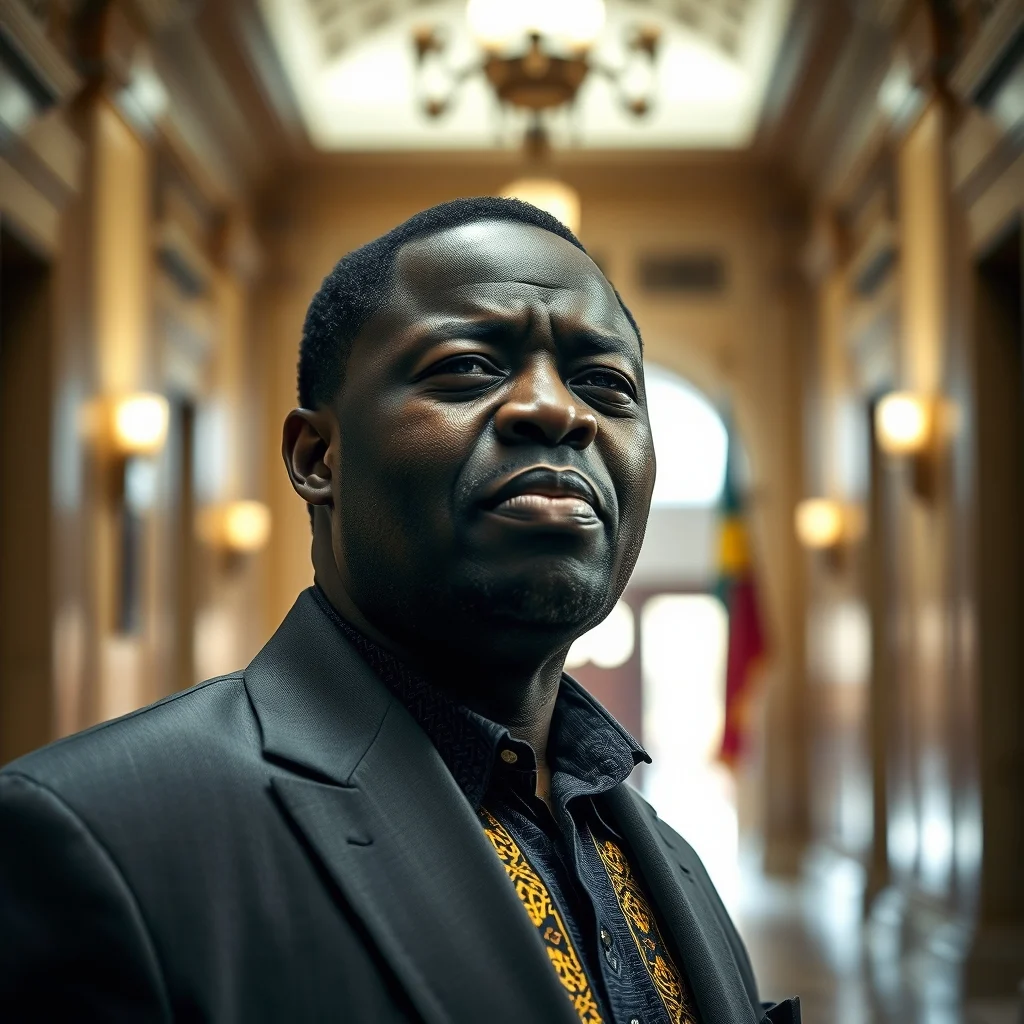
Member of Parliament for Ningo-Prampram, Samuel Nartey George, has voiced relief and gratitude following the Ghanaian Parliament’s recent approval of the Human Sexual Rights and Family Values Bill. This legislative milestone, achieved on Saturday, May 30, marks the culmination of a multi-year effort to criminalize LGBTQ+ activities, advocacy, and the promotion of what the bill terms non-conventional sexual relations and family values.
Legislative Journey and Key Support
The passage of the bill represents the end of a protracted and often contentious debate that began in 2021. Mr. George highlighted the critical role of parliamentary leadership, particularly Speaker of Parliament Alban Sumana Kingsford Bagbin, in steering the controversial legislation through the House.
Speaking on the program ‘Newsfile’, Mr. George described himself as “a relieved man.” He emphasized that the legislative process would have been impossible without the Speaker’s “unwavering support” and his role as a “staunch bastion of support in executing this agenda.” The Ningo-Prampram legislator also extended his appreciation to the leadership of Parliament and the committee members who handled the bill, thanking them for their confidence and their efforts in guiding it through its various stages.
Addressing Public Scrutiny and Future Steps
Mr. George also addressed criticisms regarding his prior public statements about pressuring then-President John Dramani Mahama to assent to the bill, should it reach his desk. He had previously stated that President Mahama “would know no peace” if he failed to sign the legislation.
He defended his earlier stance, arguing that such criticism was premature as there was no bill before the President for consideration until Parliament’s recent action. “What was there before the President to sign? There was no bill before him,” Mr. George explained.
With Parliament’s approval secured, the bill now enters the next constitutional phase. It is expected to undergo administrative procedures within Parliament before being formally transmitted to the President. Mr. George expressed hope that this transmission would occur within the coming week.
Once transmitted, supporters of the bill will expect the President to make a decision on its assent. Mr. George indicated that the expectation is for the President to sign the bill into law, signaling the final step in its legislative journey.
Broader Context and International Scrutiny
The Human Sexual Rights and Family Values Bill has been a subject of intense public debate, legal challenges, and significant international scrutiny since its introduction. Its passage by Parliament is a significant moment for Ghana, reflecting deep societal divisions and ongoing discussions about human rights, cultural values, and international norms.
The bill, sponsored by a bipartisan group of Members of Parliament, has drawn criticism from human rights organizations and international bodies concerned about the potential impact on LGBTQ+ individuals and the broader implications for fundamental freedoms. Conversely, it has garnered strong support from conservative religious groups and segments of the public who advocate for the traditional definition of family values.
Implications for Ghana and Beyond
The passage of this bill has far-reaching implications. Domestically, it signals a potential shift in legal protections and societal acceptance for LGBTQ+ individuals. Internationally, it places Ghana at the center of a global conversation about LGBTQ+ rights, potentially affecting diplomatic relations, foreign aid, and trade.
The focus now shifts to the executive branch and the President’s decision on assent. The subsequent steps and the President’s action will be closely watched, both within Ghana and by the international community, as they will determine the immediate future of LGBTQ+ rights and related policies in the country.
What remains to be seen is how the Ghanaian President will respond to the bill and the ongoing international pressure. The implementation of the law, if assented, and any potential legal challenges that may arise will be critical developments to monitor in the coming months.










Leave a Reply