
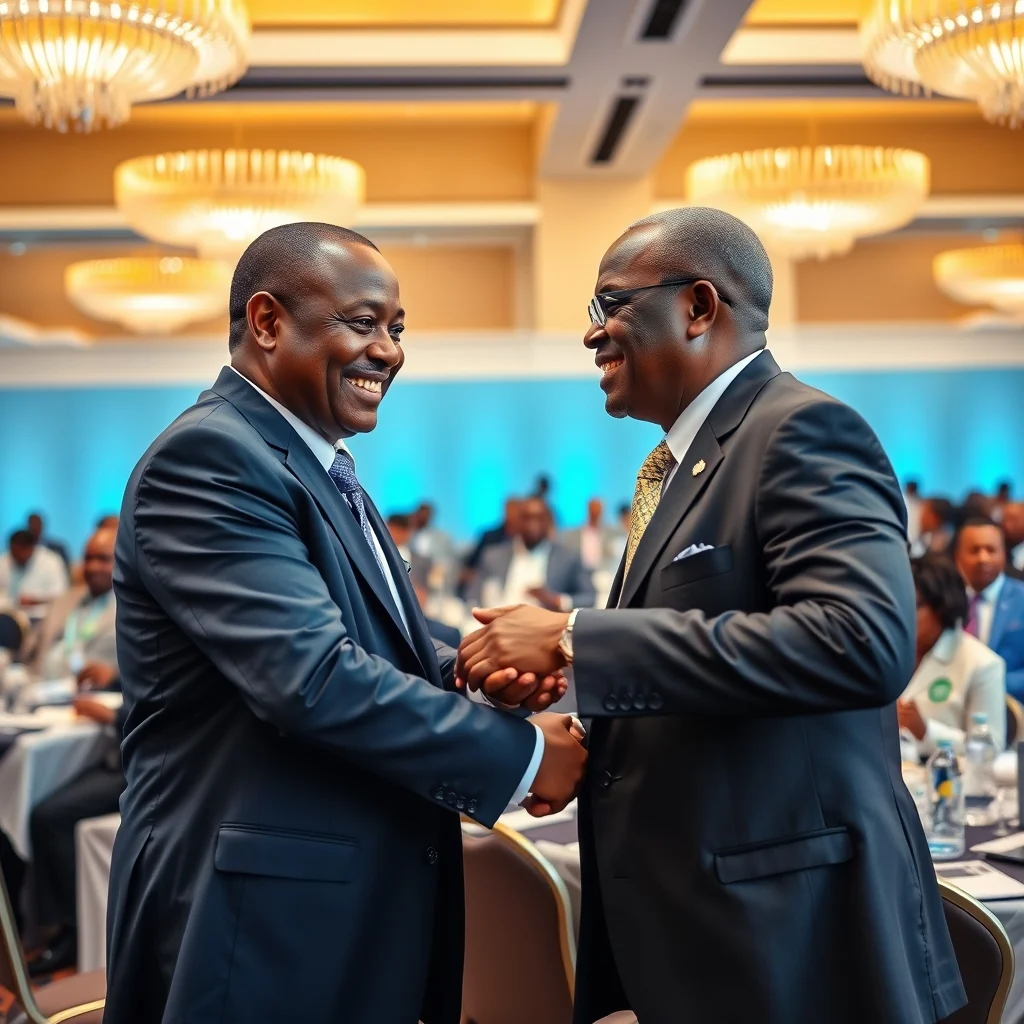
President John Dramani Mahama has reiterated the government of Ghana’s dedication to fostering stronger partnerships with the private sector, aiming to catalyze the nation’s economic transformation. He made these remarks at the 10th Ghana CEO Summit held in Accra, addressing a diverse audience of business leaders, investors, and policymakers.
Government’s Vision for Economic Transformation
During his address, President Mahama emphasized that true economic transformation should translate into tangible improvements in the daily lives of Ghanaian citizens, moving beyond mere statistical indicators. He assured the business community that the government remains committed to cultivating an environment conducive to business expansion and the creation of employment opportunities.
The President highlighted the symbiotic relationship between business success and national prosperity, stating, “When businesses thrive, government succeeds and the nation prospers.” This sentiment underscores the critical role of robust public-private sector collaborations in driving national development initiatives.
Recognition and Key Attendees
In recognition of his steadfast commitment to enhancing government-private sector synergy, President Mahama was subsequently appointed Patron of the Ghana CEO Summit. This appointment signifies a formal acknowledgment of his leadership in bridging the gap between public policy and private enterprise.
The summit drew significant attention, with notable attendees including Presidential Advisor and Aide, Joyce Bawah Mogtari; Minister for Trade, Agribusiness and Industry, Elizabeth Ofosu-Adjare; Founder and Chief Executive Officer of the Chief Executives Network, Ernest De-Graft Egyir; Governor of the Bank of Ghana, Dr. Johnson Pandit Asiama; and Chief Executive Officer of Telecel Ghana, Patricia Obo-Nai. Their presence alongside other prominent business figures and policymakers underscored the importance of the discussions held.
The Importance of Public-Private Partnerships
The core message from the summit revolved around the indispensable nature of public-private partnerships (PPPs) for sustainable economic development. Such collaborations are vital for mobilizing resources, sharing expertise, and implementing innovative solutions to complex economic challenges.
By working together, the government and the private sector can create a more dynamic and resilient economy. The government’s role is to establish a stable policy framework, ensure good governance, and invest in critical infrastructure, while the private sector brings innovation, capital, and efficiency.
Fostering an Enabling Business Environment
Creating an enabling environment for businesses involves more than just policy pronouncements. It requires consistent implementation, reduced bureaucratic hurdles, and access to finance. President Mahama’s assurance signals a renewed focus on these critical aspects.
Strengthening collaboration means actively listening to the concerns of the private sector and implementing policies that address their needs. This includes streamlining regulatory processes, ensuring fair competition, and promoting transparency in government dealings.
Economic Transformation and Job Creation
The ultimate goal of these efforts is to achieve economic transformation that benefits the average Ghanaian. This means creating sustainable jobs, increasing incomes, and improving the overall quality of life. The private sector is identified as the primary engine for job creation, and government support is crucial for unlocking its full potential.
The success of this collaborative approach will be measured by its impact on employment figures, poverty reduction, and the growth of key economic sectors. Initiatives that encourage investment, support entrepreneurship, and promote value addition within the Ghanaian economy are paramount.
Looking Ahead: What to Watch Next
Moving forward, stakeholders will be keenly observing the concrete actions taken by the government to translate President Mahama’s commitments into tangible policy changes and implementation. The effectiveness of the newly appointed Patronage will be gauged by the tangible outcomes of strengthened public-private dialogue and collaborative projects. Key areas to monitor will include advancements in regulatory reforms, the ease of doing business, and specific initiatives designed to boost investment and job creation across various sectors. The ongoing dialogue and the successful execution of joint ventures will be critical indicators of Ghana’s progress towards its economic transformation goals.










Leave a Reply