

Ghana stands at a pivotal moment, transitioning from years of economic hardship to a period of hard-won macroeconomic stability, prompting a critical need for its public institutions to demonstrate measurable contributions to productivity, job creation, and economic growth. This shift requires a move beyond policy announcements to concrete, results-oriented action across all sectors of government and public service.
The Foundation of Stability
After enduring significant economic turbulence, painful reforms, and widespread sacrifices, Ghana is beginning to reap the rewards of its efforts. Inflation is declining, the exchange rate has stabilized, and investor confidence is slowly returning, bolstered by visible fiscal discipline.
The Ministry of Finance and the Bank of Ghana are credited with implementing the necessary stringent measures. Through fiscal reforms, debt restructuring, tighter monetary policy, improved foreign reserves, and a focus on stability, a solid groundwork for future economic expansion has been established.
The Challenge of Productivity
However, economic stability alone is insufficient to guarantee prosperity, job creation, industrialization, or the transformation of millions of young Ghanaians seeking opportunities. The nation’s next major challenge is to convert this newfound stability into tangible economic productivity.
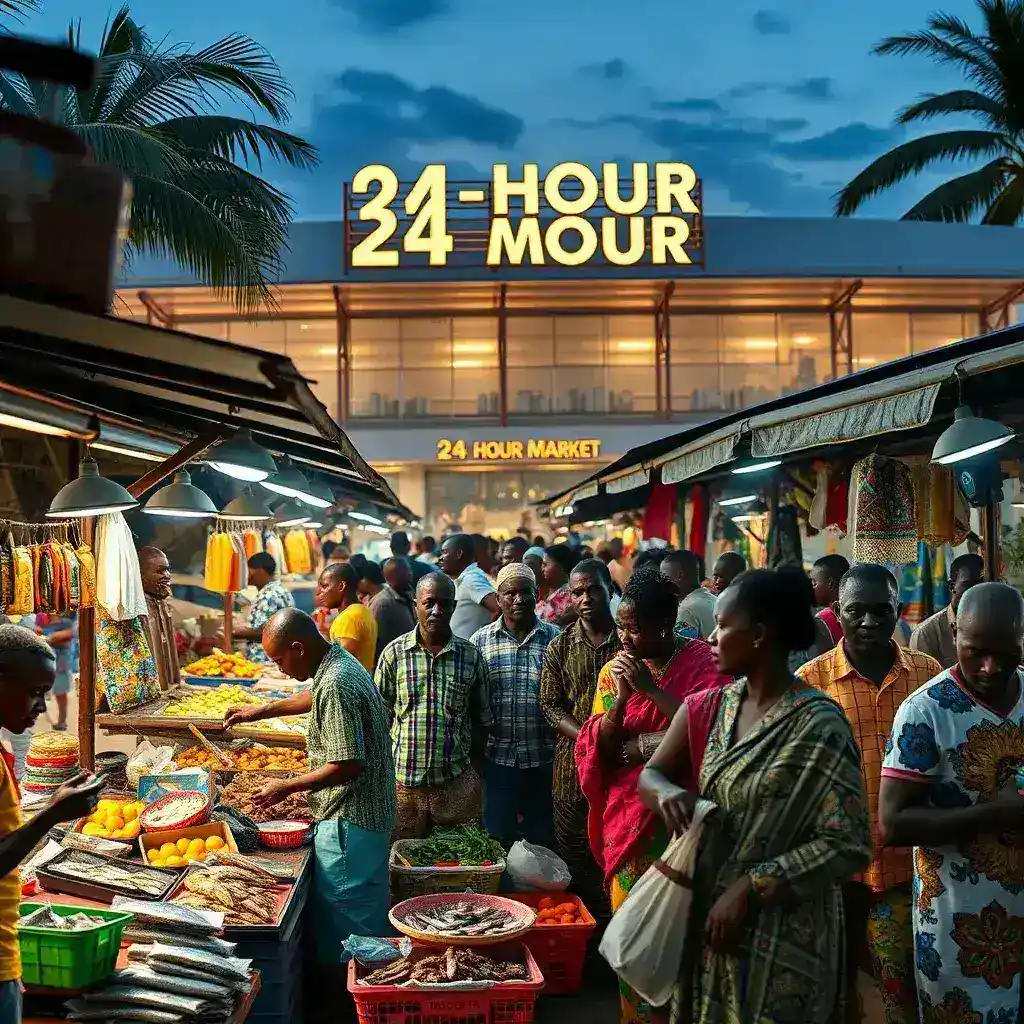
The proposed solution lies in the effective implementation of Ghana’s 24-Hour Economy agenda. This ambitious plan aims to stimulate economic activity around the clock, thereby maximizing the utilization of resources and fostering growth.
Institutional Discipline is Key
Achieving the 24-Hour Economy necessitates more than just rhetoric; it demands measurable action from every public institution. This includes ministries, departments, agencies, regulators, district assemblies, state-owned enterprises, utility providers, and development finance institutions.
To ensure accountability, President Mahama must implement a system of mandatory quarterly Key Performance Indicator (KPI) reports from all public institutions. These reports should clearly outline each institution’s contribution to critical national objectives.
These objectives include job creation, industrial growth, export expansion, agricultural productivity, Small and Medium-sized Enterprise (SME) development, youth employment, investment attraction, infrastructure readiness, digital transformation, and enhanced business competitiveness.
The outdated metric of success based solely on budgets spent and meetings attended must be replaced by a focus on demonstrable economic impact.
Measuring Institutional Impact
Every public institution should be required to answer a single, crucial question each quarter: “What measurable contribution have you made towards Ghana’s economic productivity and the 24-Hour Economy agenda?”
Specific ministries and bodies will have distinct reporting requirements. The Ministry of Trade, Industry and Agribusiness, for instance, would report on activated factories, facilitated exports, and supported SMEs. The Ministry of Finance would detail productive sector financing, investment incentives, and private sector mobilization efforts.
The Bank of Ghana would track productive lending, financial inclusion, digital payment growth, and SME credit expansion. The Ministry of Energy would report on industrial power reliability and support for shift-based operations, while the Ministry of Transport would demonstrate improvements in logistics efficiency and the movement of goods during off-peak hours.
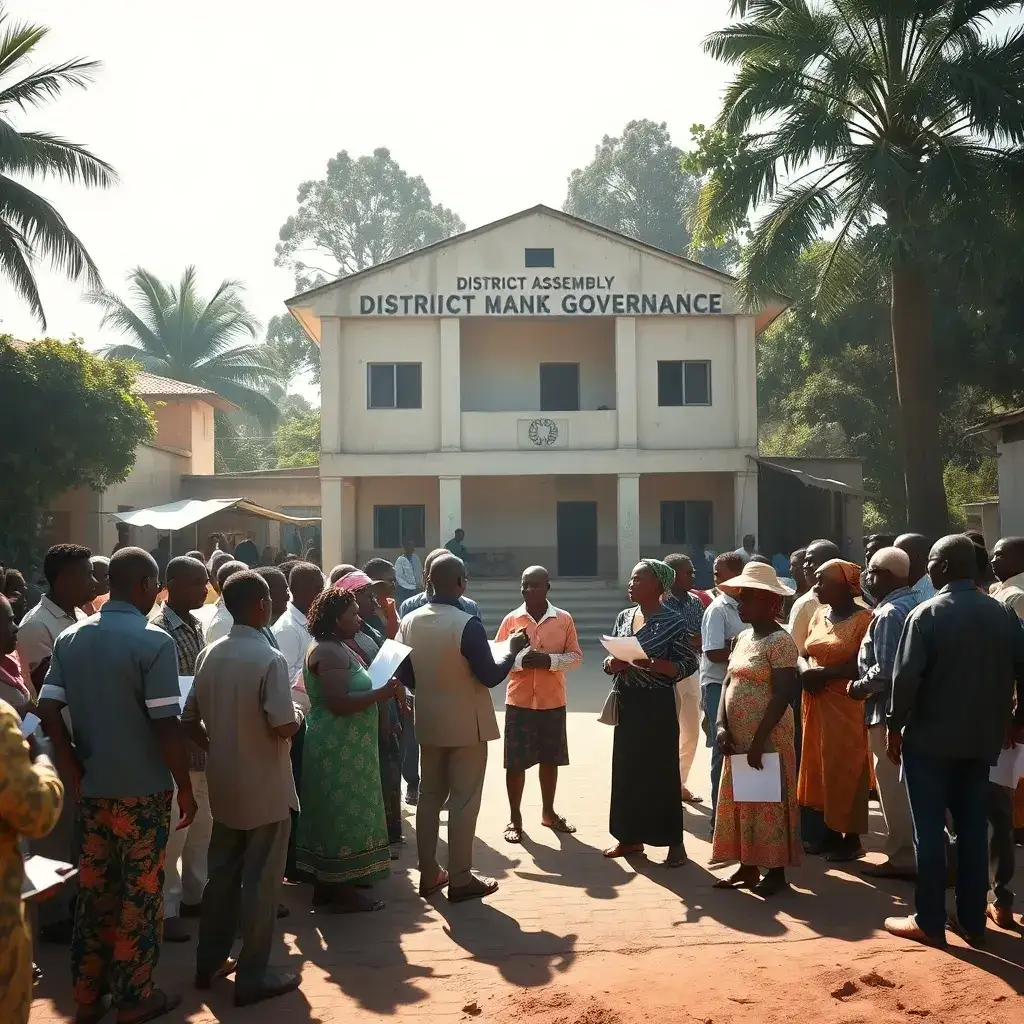
Educational institutions, such as technical training centers, must show how they are preparing a workforce for modern industry. District assemblies would be accountable for jobs created, prepared industrial land, issued business permits, and facilitated local investments.
Private Sector Experience as the Ultimate Gauge
The true success of the 24-Hour Economy will be reflected in the tangible experiences of businesses. This includes reliable power for multi-shift operations, accessible processing facilities and markets for farmers, efficient logistics for exporters, affordable financing for SMEs, and streamlined processes for entrepreneurs.
The private sector must observe a clear and positive transformation in the operating environment. The foundation laid by the Bank of Ghana and the Ministry of Finance, characterized by a stable cedi, moderating inflation, and improving investor confidence, must now be leveraged for growth-oriented policies.
A National Scorecard for Growth
To drive this agenda, President Mahama should establish a National 24-Hour Economy Performance Dashboard, monitored directly by the Presidency. This dashboard would track quarterly KPI reports from all public institutions against national productivity targets.
Institutions that demonstrate strong performance should be recognized and rewarded, while those failing to contribute effectively must be identified and supported to improve. This transparency is intended to create urgency, which in turn will spur action and deliver results.
The Time for Delivery
Ghana has successfully navigated the challenge of economic stability. The current imperative is to translate this stability into job creation, industrial expansion, increased exports, strengthened local enterprises, and unlocked opportunities for its youth.
With the foundation in place and the economy stabilizing, the time for preparation is over; the time for delivery has arrived. The success of the 24-Hour Economy hinges not just on the policy itself, but on the commitment and performance of the institutions tasked with its execution.
History will judge this era by the results delivered in factories, farms, ports, and communities, not by the ambition of the vision announced. By holding every institution accountable quarterly, Ghana can replace complacency with urgency, bureaucracy with performance, and rhetoric with tangible economic growth and shared prosperity.







Leave a Reply