
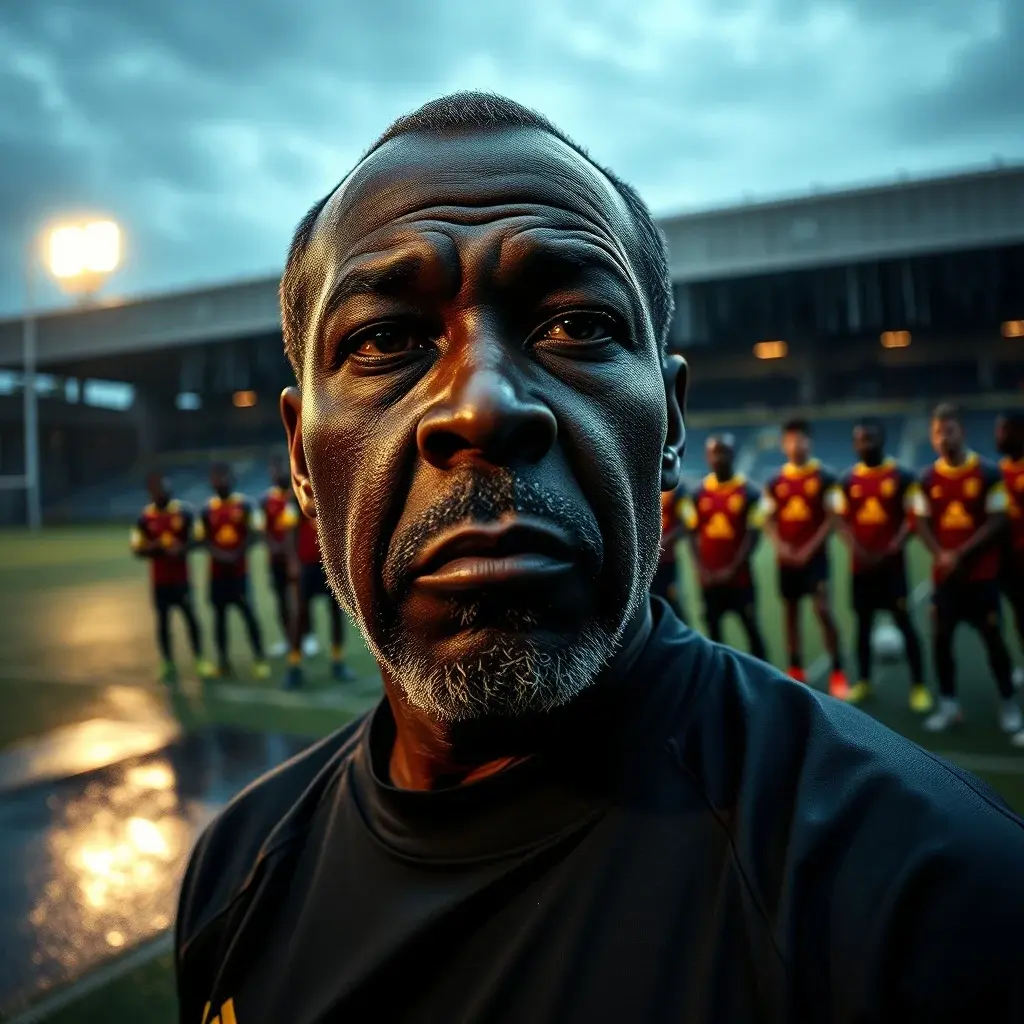
Accra, Ghana – The Ghana Football Association (GFA) has once again ignited public debate and bewilderment with its unconventional two-stage squad announcement for the upcoming 2026 World Cup preparation camp. Coach Carlos Queiroz unveiled a 28-man list on May 25, a decision that has drawn criticism for generating unnecessary controversy and suspicion, a recurring theme in the nation’s football history.
A Familiar Cycle of Controversy
This protracted squad selection process is a narrative familiar to the Ghanaian football public. Each major tournament cycle sees a similar pattern: a contentious squad announcement, followed by public outcry, GFA officials defending their decisions, and persistent whispers of external influence overriding pure footballing judgment.
The timing of the announcement, with a friendly against Wales scheduled for June 2 and the final 26-man squad due on June 1, highlights the GFA’s chosen complexity. There was no inherent footballing reason to announce 28 players, invite a week of public scrutiny, and then trim two names just before a crucial preparatory match.
The GFA’s Chosen Complexity
The 28-man list is not the definitive World Cup squad; Ghana is set to announce its official 26-man contingent on June 1, the day before their friendly against Wales in Cardiff. This means two players currently in the expanded camp will be cut, and theoretically, players not yet included could still be added before the FIFA deadline.
The GFA’s justification for this approach is to provide flexibility, allowing Coach Queiroz to assess players in training and camp conditions before making his final two selections. While reasonable in isolation, this method guarantees a secondary wave of controversy on June 1 when the two players are inevitably dropped.
Instead of a single, decisive announcement on May 25, the GFA’s chosen path has created a fortnight of rolling debate. This process, ostensibly designed to reduce uncertainty, has instead amplified it, serving the administration’s need for a buffer rather than prioritizing clarity for supporters, players, or the coach.
The Simpler Path Ignored
The friendly against Wales is likely Ghana’s final preparatory match before the World Cup. Unlike many major footballing nations that name their final tournament squad for such warm-up games, Ghana opted for a more convoluted route.
Had Queiroz announced a 26-man squad on May 25, the debate would have been sharper, concluded in a single day, and obliged the GFA to defend a final decision. The current two-stage announcement allows officials to deflect questions about painful omissions, such as Paintsil, Ashimeru, and Köhn, by pointing to the upcoming June 1 deadline, extending uncertainty and managing the news cycle.
A Recurring Pattern
This pattern of squad controversy is not new to the Queiroz era. Ahead of the 2022 World Cup, Jeffrey Schlupp’s omission led to accusations of corruption against the GFA. Coach Otto Addo’s public thanks to GFA President Kurt Okraku for










Leave a Reply