
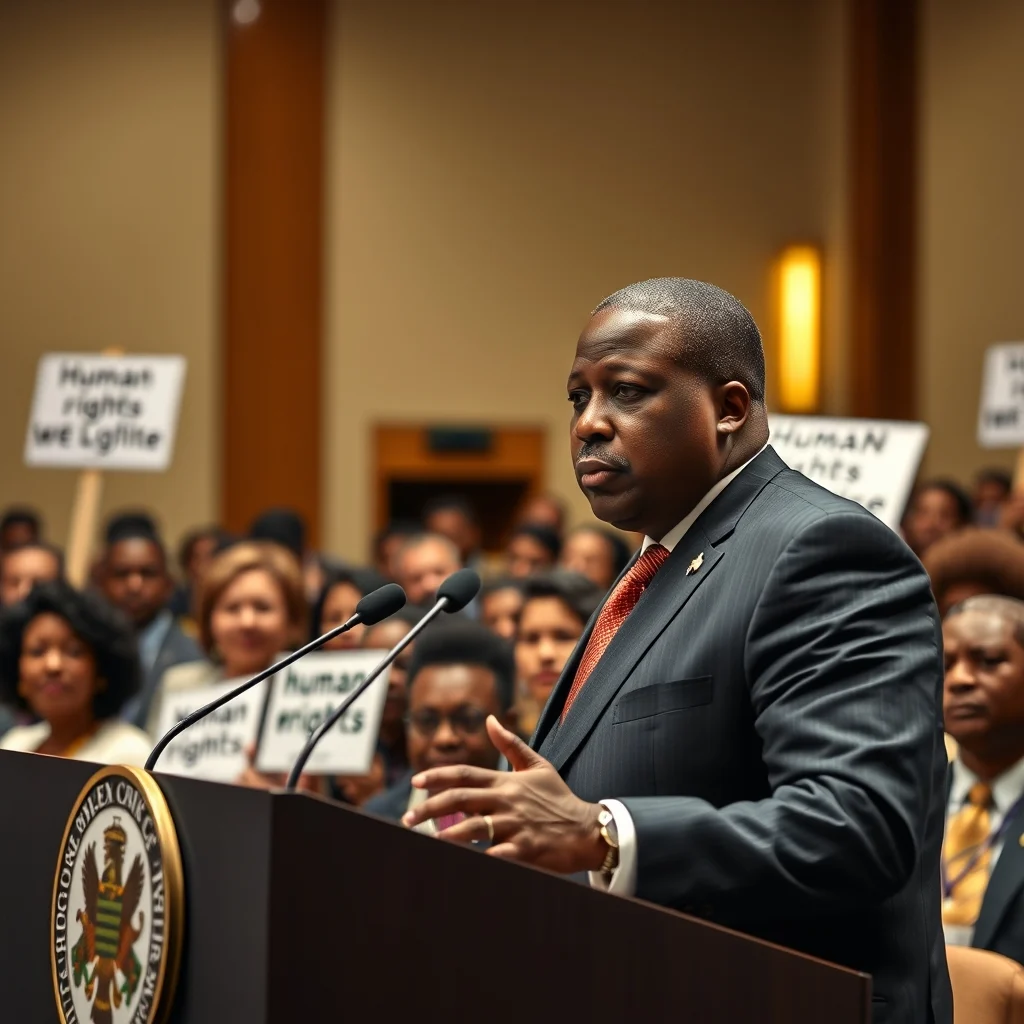
Accra, Ghana – President John Mahama stated on June 1, 2026, that Ghana’s recently passed Human Sexual Rights and Family Values Bill will undergo further scrutiny before receiving presidential assent, citing procedural irregularities in its parliamentary passage. Speaking at Chatham House in London during Pride Month, President Mahama indicated that the bill, which originated as a private member’s motion and was passed by Parliament on May 29, 2026, still requires legal and constitutional review by the Presidency.
The bill aims to criminalize same-sex relationships and advocacy for LGBTQ+ rights. Its passage has ignited significant debate both domestically and internationally, with concerns raised about its potential impact on human rights and the specific legislative process followed.
Procedural Hurdles and Legal Review
President Mahama emphasized that the bill’s journey is far from over. He explained that the Executive branch, specifically the Presidency’s legal counsel and the Attorney General, must thoroughly review the legislation to ensure its compliance with legal and constitutional standards.
“Once the president gets it, you go through it because you’re not part of the discussion in Parliament,” Mahama told the London audience. “The legal representative, the legal counsel in the Presidency and the Attorney General would sit on it … and make sure that everything is in order before the president is advised to assent.”
This review process is crucial, especially given the concerns raised about the bill’s passage. Two specific issues have emerged: allegations of insufficient quorum during the parliamentary vote and procedural lapses during the legislative process.
Parliamentary Dispute and Speaker’s Intervention
Adding to the uncertainty, the Speaker of Parliament, Alban Bagbin, described the bill’s Friday passage as a surprise. He indicated that the bill was expected only to be laid for consideration, not voted upon. In response to these concerns, Speaker Bagbin has convened a meeting with parliamentary leadership to clarify the events of that day.
President Mahama acknowledged these developments, stating, “I just got some communication that the Speaker was reading a statement to address the issue of the lapses in the passage of the bill.”
The President retains the option to refer the bill to the Council of State, an advisory body, if substantial concerns arise during the review. “If there are issues, substantial issues that are raised, the president would return the bill to Parliament indicating exactly what the issues are,” Mahama noted.
These multiple layers of review and potential referral underscore President Mahama’s assertion that “there’s still quite a while to go before that bill becomes law.”
Divergent Views and Legal Challenges
The passage of the Human Sexual Rights and Family Values Bill has sparked a significant procedural dispute. Private legal practitioner Oliver Barker-Vormawor has claimed the bill was passed with only 34 members present, falling short of the constitutional quorum requirement. He has urged President Mahama to withhold his assent.
Conversely, supporters of the bill, such as Akwatia MP Bernard Bediako, have dismissed these procedural challenges. They argue that parliamentary procedures generally presume a quorum unless it is formally challenged during proceedings.
Meanwhile, Majority Leader Mahama Ayariga has issued a stern warning to individuals engaged in LGBTQ+ practices. He stated that once the bill receives presidential assent, they will face the full consequences of the law, urging them to “change your ways now.”
Implications and Future Outlook
The ongoing scrutiny of the Human Sexual Rights and Family Values Bill has significant implications for Ghana’s legal landscape, its international relations, and the rights of LGBTQ+ individuals. The outcome of the legal and constitutional review, coupled with any decisions made by the Council of State and Parliament, will determine the bill’s future.
What to watch next includes the findings of the parliamentary leadership meeting, the detailed report from the Presidency’s legal review, and any potential referral back to Parliament. The stance taken by President Mahama following these reviews will be a critical determinant in whether this controversial legislation ultimately becomes law.










Leave a Reply