
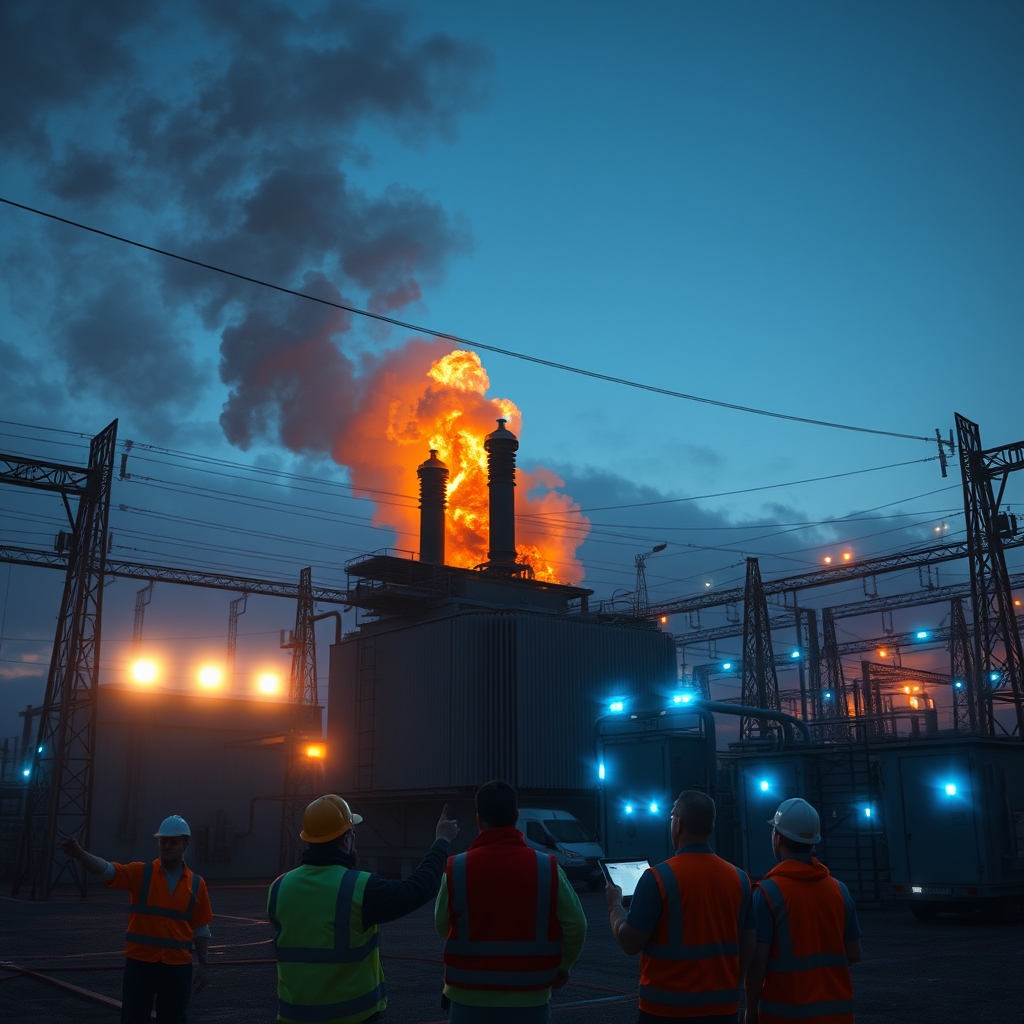
A recent fire incident at the Akosombo substation is being described by energy analysts not as an isolated accident, but as a critical stress test that has revealed significant structural weaknesses and a lack of resilience within Ghana’s power sector. The event, which occurred recently, led to the loss of nearly 1,000 megawatts of power, highlighting deficiencies in backup systems for vital transmission infrastructure.
A Wake-Up Call for the Power Sector
Xatse Derick Emmanuel, a research and policy analyst at the Institute of Energy Security, stated on Joy FM’s Top Story on Tuesday, April 28, that the Akosombo fire should serve as a major wake-up call. He emphasized that the incident exposed gaps, particularly concerning the power grid’s ability to withstand unexpected shocks.
“The Akosombo incident is not just an accident. It is a stress test that has revealed gaps in our power sector, especially when it comes to resilience,” Emmanuel explained. He noted that the substantial disruption underscores the absence of robust redundancy measures around critical transmission infrastructure.
The Impact of Infrastructure Gaps
The loss of nearly 1,000 megawatts indicates that the existing backup systems were insufficient to mitigate the impact of the substation failure. Emmanuel suggested that stronger redundancy measures could have significantly minimized the damage and the subsequent power outage.
“If we had stronger backup systems around such a critical transmission, the damage would have been more minimal,” he stated. This points to a potential underinvestment in the resilience of the nation’s power transmission network.
Call for Strategic Investment and Maintenance
Emmanuel stressed the urgent need for deliberate investment in system resilience. This includes not only upgrading infrastructure but also implementing a schedule of periodic maintenance and developing comprehensive contingency planning. Such measures are crucial to ensure the grid can effectively withstand unexpected shocks and disruptions.
The analyst’s comments suggest that a proactive approach to infrastructure maintenance and modernization is necessary to prevent future large-scale disruptions. This involves anticipating potential failures and building in safeguards to protect the integrity of the power supply.
Commendation for Immediate Response
Despite the exposure of systemic weaknesses, Emmanuel commended the government for its immediate response to the crisis. He specifically acknowledged the efforts to investigate the incident thoroughly and the mobilization of engineers working around the clock to restore power supply.
“It is commendable that the problem has been acknowledged and steps are being taken, including investigations and efforts by engineers working around the clock to restore supply,” he said. This highlights the importance of swift action in crisis management, even as underlying issues are addressed.
Implications for Ghana’s Energy Future
The Akosombo substation fire incident serves as a stark reminder of the vulnerabilities inherent in aging or inadequately protected energy infrastructure. For Ghana, this means a pressing need to reassess and bolster investments in its power transmission network.
The long-term implications could involve increased costs for infrastructure upgrades and maintenance, potentially impacting electricity tariffs. However, failing to address these weaknesses could lead to more frequent and severe disruptions, hindering economic activity and public services.
Moving forward, the focus will likely be on how effectively Ghana implements recommendations for improved system resilience. Observers will be watching for concrete policy changes, investment strategies, and the successful execution of maintenance programs designed to safeguard the nation’s power supply against future incidents.










Leave a Reply