
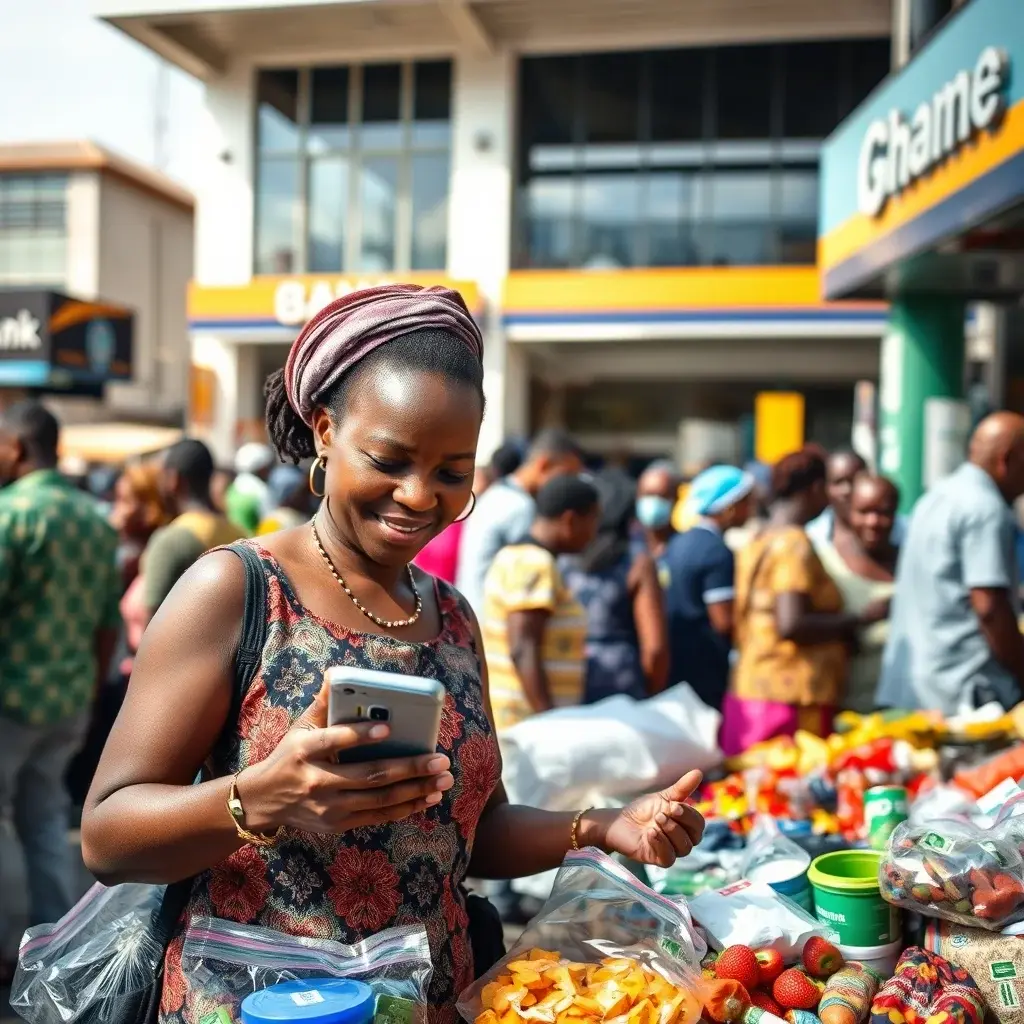
In Ghana, a significant shift is redefining the financial services landscape as traditional banks and innovative fintech companies forge strategic partnerships, moving away from a competitive rivalry towards a collaborative ecosystem. This trend, gaining momentum over the past decade, aims to address the nation’s large informal economy and substantial unbanked population by leveraging technology and shared strengths. The core objective is to expand financial inclusion and create lasting value for customers and the broader Ghanaian economy.
A Redefined Relationship
The initial fear that fintechs would render traditional banks obsolete has largely subsided. Instead, a more nuanced understanding has emerged: banks offer invaluable regulatory standing, deep risk management expertise, established customer trust, and substantial balance sheets. Fintechs, conversely, bring agility, rapid innovation, and a focus on the digital-native consumer, unburdened by legacy systems.
These complementary strengths, when combined through well-structured partnerships, create solutions neither entity could achieve alone. This evolution signifies not the demise of banking, but the rise of a more connected and capable financial services sector where each player excels in their respective domains.
Inclusion as the Defining Imperative
A key outcome of these collaborations is enhanced financial inclusion, particularly through integration with mobile money platforms. This allows for real-time, frictionless fund transfers between bank accounts and mobile wallets, a crucial development for market traders and smallholder farmers previously excluded from formal financial systems.
Furthermore, fintech partnerships are opening new avenues for credit access for small and medium-sized enterprises (SMEs). By utilizing alternative data sources like mobile transaction history and utility payments, these collaborations enable more accurate creditworthiness assessments than traditional methods, providing vital financing for growing businesses with limited formal credit histories.
Managing Risk Without Stifling Innovation
The integration of fintechs and banks is not without its challenges. Issues such as data security, regulatory alignment, and the reconciliation of differing business models and organizational cultures require careful management. Addressing these complexities necessitates clear governance frameworks, robust cybersecurity measures, and transparent communication.
Ghana’s regulatory environment shows promise, with the Bank of Ghana actively engaging with the evolving financial landscape. The establishment of regulatory sandboxes allows for the testing of new solutions in a controlled environment, fostering innovation while ensuring consumer protection. This balanced approach recognizes that interoperability standards and consumer safeguards are mutually reinforcing elements of a healthy collaborative ecosystem.
A Different Kind of Leadership
Beyond operational and regulatory aspects, a significant cultural shift is required within traditional banks. The instinct to control and view external relationships as threats must evolve into a posture of openness, curiosity, and a genuine willingness to experiment alongside partners. True collaboration is demonstrated through practical actions rather than mere declarations.
The future of banking in Ghana will be shaped by the synergistic efforts of banks and fintechs. Success will be measured by the innovative financial products and services developed collaboratively, reaching underserved populations and integrating more Ghanaians into the digital economy. This partnership model holds immense promise, demanding both ambition and rigorous execution to realize its full potential.










Leave a Reply