
The recent death of Charles Amissah serves as a stark and painful reminder of Ghana’s failing healthcare system, highlighting potential avoidability and systemic neglect that continue to endanger citizens. This loss, occurring within a nation with decades of self-governance, underscores the devastating impact of policy failures, poor coordination, and the abandonment of functional healthcare infrastructure.
Abandoning Proven Systems
An expert report led by Prof. Agyekum Badu Akosa suggests that an effective Bed Management Network, which Ghana once possessed with nearly 80 per cent national coverage and extensive patient data, could have potentially saved Mr. Amissah’s life.
The recurring political practice of discontinuing inherited projects for new contracts has led to the dismantling of this progress. This regression has left ordinary Ghanaians bearing the brunt of weakened systems and fragmented emergency care, while authorities pursue new initiatives.
Concerns Over National Ambulance Service
The National Ambulance Service is also facing significant scrutiny, appearing increasingly overstretched and under-supported despite the country inheriting over 300 ambulances and a trained emergency medical workforce.
Critical questions linger regarding the cessation of Advanced Trauma Life Support (ATLS) training for Emergency Medical Technicians (EMTs) and the practice of blaming frontline personnel for systemic leadership failures in providing essential resources.
The Akosa report indicated that administering intravenous fluids during transportation could have improved Mr. Amissah’s survival chances, underscoring the life-or-death consequences of these systemic issues.
Doctors and Frontline Workers Under Pressure
Placing the burden of systemic failures solely on doctors and frontline health workers is deemed unfair, as they operate under severely challenging conditions.
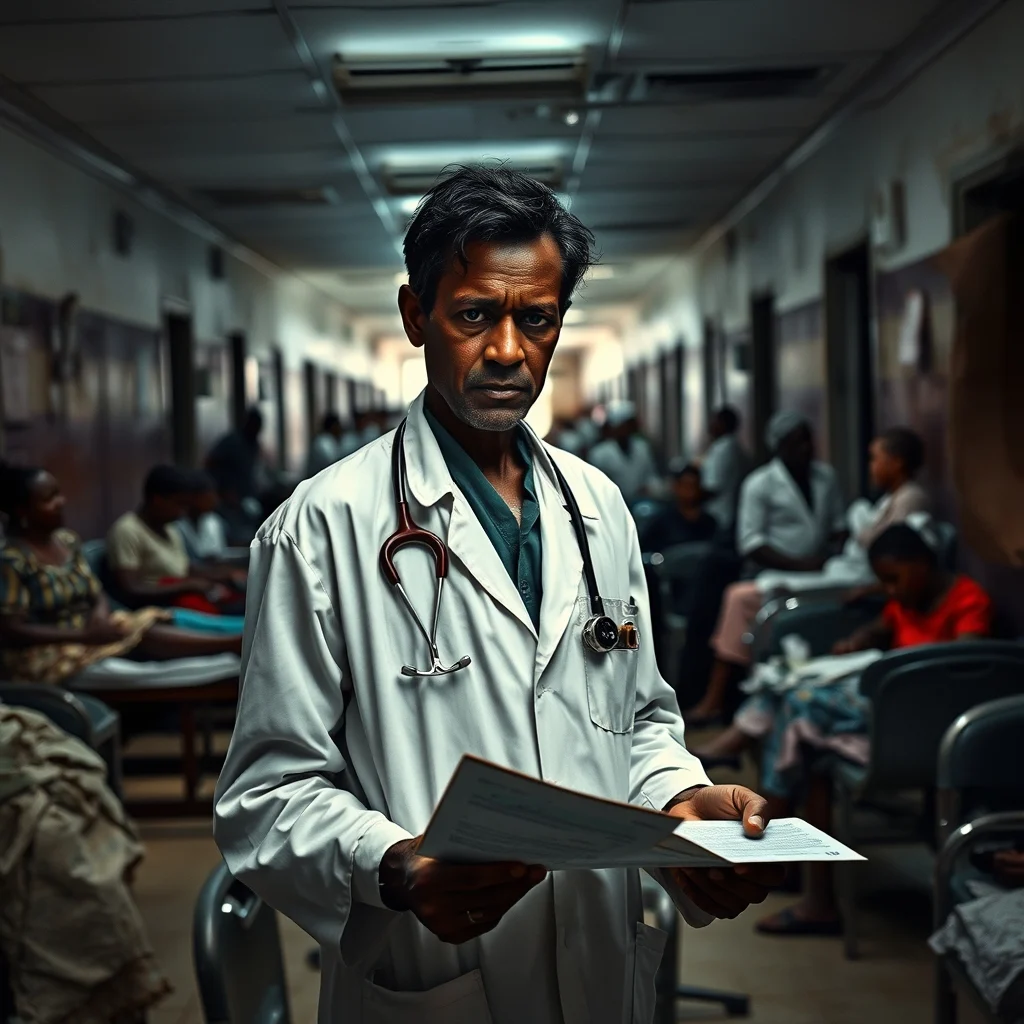
Across Ghana, doctors are faced with overcrowded corridors, and improvisation due to inadequate resources has become the norm.
Thousands of trained nurses and newly qualified doctors remain unemployed, even as major facilities like Korle Bu Teaching Hospital, Ridge Hospital, and the Police Hospital grapple with dangerous patient-to-doctor ratios.
No doctor finds satisfaction in patient loss; referrals are often last-ditch efforts to save lives within an overwhelmed system.
Call for Urgent, Pragmatic Action
Ghanaians are calling for functional hospitals, equipped emergency units, and systems that prioritize patient survival over political agendas and bureaucratic inertia.
There is an urgent need for the government to employ the thousands of unemployed healthcare professionals, reinstate and modernize the national healthcare database and Bed Management System, and strengthen the ambulance network.
Furthermore, completing abandoned and near-complete health facilities is crucial to improving the nation’s healthcare infrastructure.
The preventable loss of Charles Amissah underscores the urgent need for a healthcare system that places human life above political considerations, bureaucracy, and complacency, prompting a critical re-evaluation of national health priorities and resource allocation.










Leave a Reply