
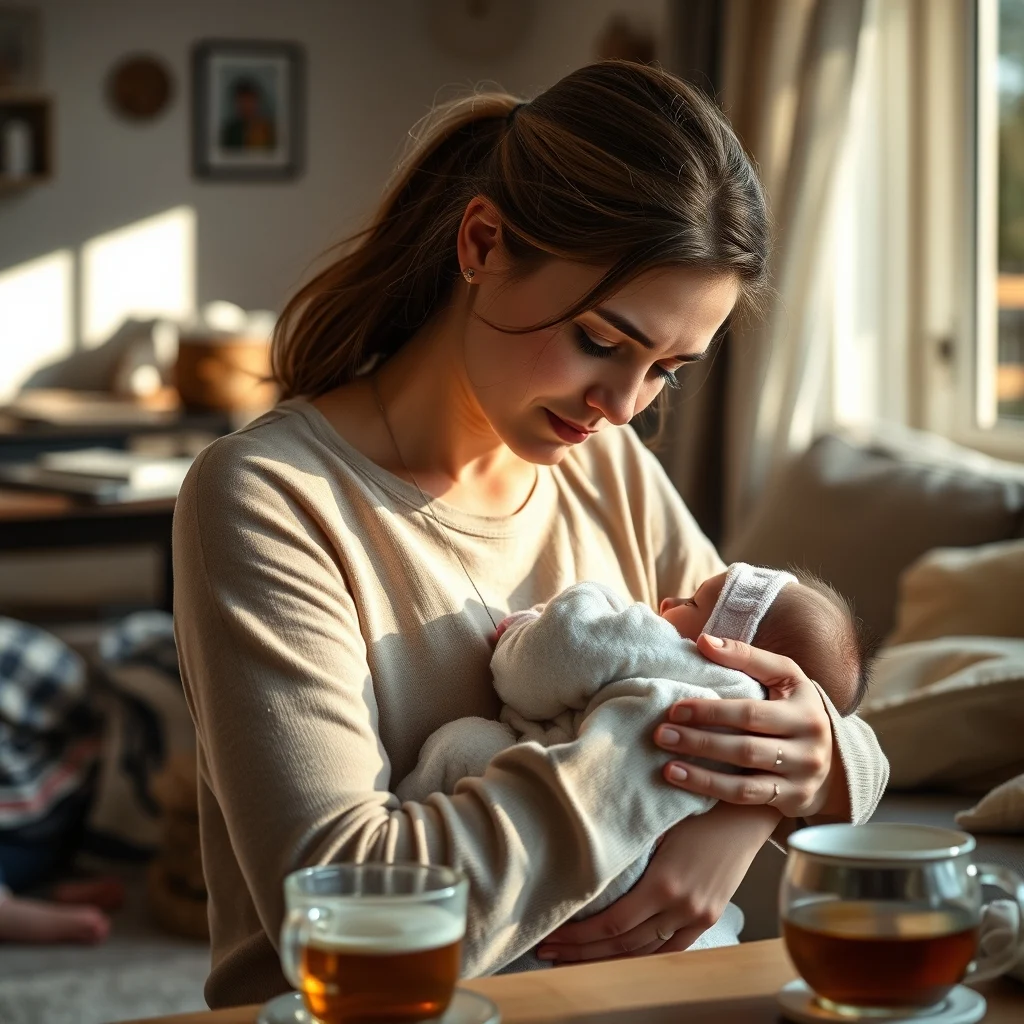
As Mother’s Day approaches, a growing chorus of new mothers is articulating a shared realization: the profound, often overwhelming, reality of motherhood extends far beyond societal expectations, demanding immense emotional, physical, and mental resilience. This sentiment, amplified across social media and personal reflections, highlights the deep gratitude for experienced mothers while simultaneously revealing the unexpected challenges faced by those embarking on this journey, particularly in balancing personal life with the all-consuming demands of childcare.
The Unseen Demands of Motherhood
For many, the transition to motherhood marks a significant shift in perspective, where abstract admiration for mothers transforms into a visceral understanding of their sacrifices. This understanding often arrives after personal experience, prompting reflection on why emotional preparedness for the role was not more deeply considered beforehand. The intensity of caring for even one or two children can feel disproportionate to the perceived effort, especially when coupled with existing life responsibilities.
This burgeoning awareness is not intended to diminish the vital roles fathers play. Fathers contribute significantly, often bearing substantial responsibilities and making sacrifices that are equally deserving of recognition. However, the current focus is on the specific emotional labor and unique challenges often associated with the maternal experience.
A New Perspective on ‘Wahala’
The term ‘wahala,’ often used colloquially to describe trouble or difficulty, is frequently invoked by new mothers to describe the unpredictable nature of child-rearing. One moment a child may be content, the next they are testing the limits of a parent’s patience, leading to a feeling of managing far more than initially anticipated. This constant state of alertness and emotional regulation is a significant, often invisible, aspect of the maternal role.
Reflecting on their own mothers, many new mothers express awe at how previous generations managed larger families and household duties while maintaining strength. The sleepless nights, constant feeding, managing illnesses, and relentless demands represent a significant emotional and physical toll that often goes unspoken.
Redefining Love and Sacrifice
Motherhood is emerging as a full-time commitment that transcends the traditional definition of a role. It demands consistent presence, even when exhausted, and requires sacrificing personal comfort without expectation of recognition. It involves carrying anxieties silently while ensuring a stable and loving environment for children.
Crucially, motherhood is teaching profound lessons in patience. Love, in this context, is often found not in grand gestures, but in the quiet repetition of daily tasks: cooking, cleaning, comforting, correcting, and continuously nurturing. This persistent giving of oneself forms the bedrock of maternal love.
Discovering a Transformed Self
Amidst the relentless demands, many mothers report a sense of losing their pre-motherhood identity. The constant focus on schedules, crying, and responsibilities can overshadow personal identity. Yet, paradoxically, this period also leads to the discovery of a new self – one marked by increased strength, a deeper capacity for empathy, and enhanced patience.
This discovery involves embracing a duality: being profoundly exhausted yet capable of deep love, and feeling overwhelmed yet consistently showing up. The question of ‘how did our mothers do it?’ becomes a recurring theme, acknowledging the immense, often underestimated, strength inherent in previous generations of mothers.
Gratitude and Transformation
The current discourse around motherhood is characterized by a deep sense of gratitude. Gratitude for one’s own mother, for the challenging yet rewarding journey, and for the continuous lessons learned. Motherhood is increasingly understood not as an easy or predictable path, but as a powerful, stretching, and ultimately transformative experience.
This evolving understanding suggests a future where the realities of maternal labor are more openly acknowledged and appreciated, potentially leading to greater support systems for new mothers. As this ‘first chapter’ unfolds for many, the ongoing dialogue promises to reshape societal perceptions of motherhood.










Leave a Reply