
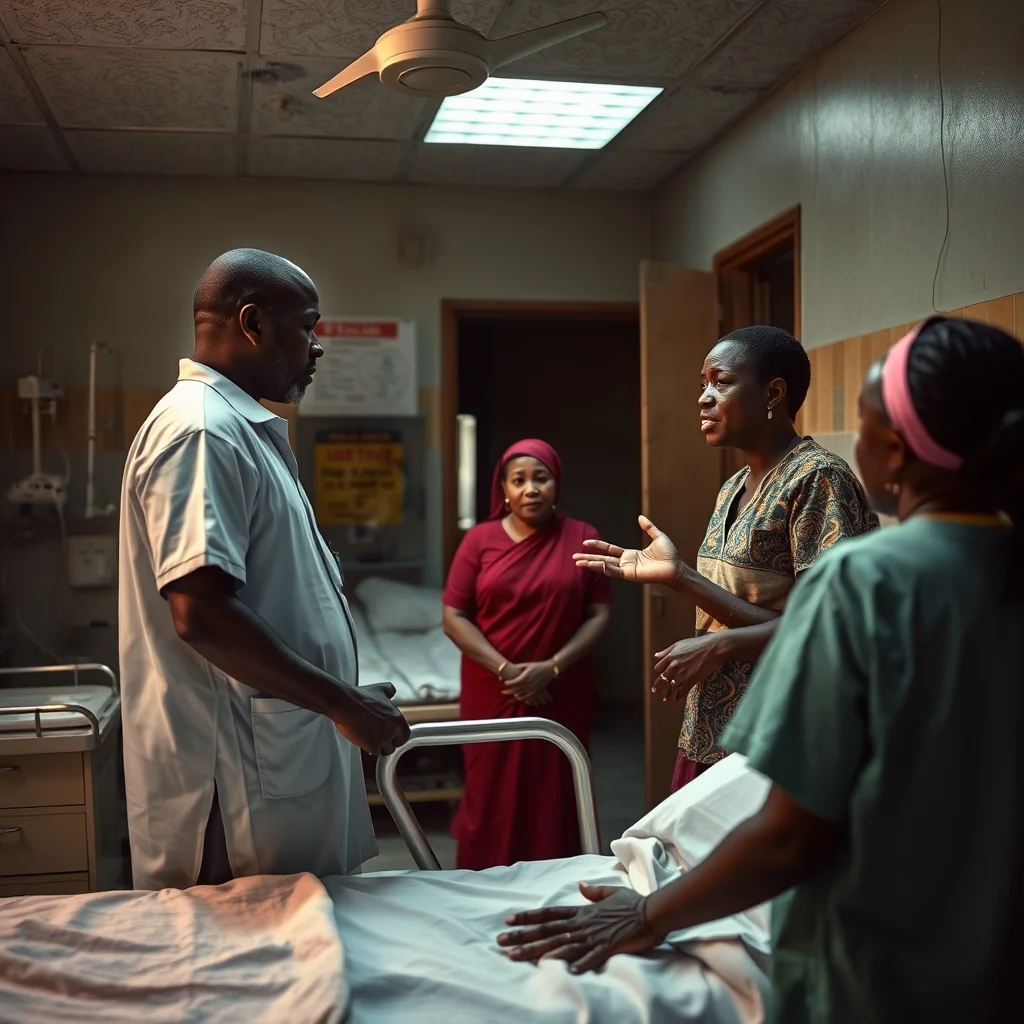
The Ghana Registered Nurses and Midwives Association (GRNMA) is demanding comprehensive reforms within Ghana’s healthcare system, citing the tragic death of Charles Amissah as a critical catalyst. GRNMA President Perpetual Ofori-Amanfo stated on May 6th that Amissah’s case, which involved alleged rejection by multiple health facilities, should serve as a turning point for improving emergency healthcare delivery nationwide.
Context of the Incident
Charles Amissah reportedly died after being turned away by three different health facilities. This incident prompted the Ministry of Health to establish a three-member investigative committee, chaired by Professor Agyeman Badu Akosah. The committee recently submitted its findings to the Minister of Health and Parliament’s Health Committee, bringing the systemic issues to the forefront.
Systemic Failures Highlighted
Madam Ofori-Amanfo emphasized that the effectiveness of any health system hinges on adequate investment in its workforce. “Every health system can only progress when we have invested in the health workers. Without the health workers, there’s no health system,” she asserted.
The GRNMA President called for enhanced investment in specialist training, capacity building, and continuous professional development. This, she argued, is crucial to ensure healthcare professionals at all levels are fully equipped to manage emergencies effectively.
Breakdown in Emergency Response
Significant weaknesses within Ghana’s emergency response infrastructure were also highlighted. Madam Ofori-Amanfo pointed to issues with the ambulance service and the communication protocols between health facilities. She described a breakdown in coordination, which hinders patient referrals and the provision of timely emergency care.
“How can you move from one facility to another and be denied care? It means there’s no proper communication,” she questioned. An efficient system, she explained, requires receiving facilities to be contacted in advance to confirm bed availability and prepare staff for incoming patients.
“By the time the ambulance gets there, professionals should be ready to receive the patient. All those systems are broken down,” she added, underscoring the severity of the communication gap.
Infrastructure and Preparedness Concerns
Concerns were also raised regarding the state of emergency healthcare infrastructure. Many emergency units are reportedly too small and lack the necessary resources to handle critical situations effectively. Madam Ofori-Amanfo cautioned that Ghana could face severe challenges responding to a national disaster due to the absence of fully equipped emergency centers.
“We need facilities with the equipment, logistics, and supplies required to save lives. We have a lot to do as a country,” she stressed.
Focus on Systemic Issues, Not Scapegoating
Despite the systemic criticisms, Madam Ofori-Amanfo urged against making individual healthcare professionals scapegoats. She stressed that the focus must remain on rectifying systemic failures rather than publicly blaming workers who are often operating under challenging conditions.
Looking Ahead
The GRNMA’s call for reform signals a critical juncture for Ghana’s healthcare sector. The findings of the investigative committee are expected to guide policy decisions aimed at strengthening emergency response, improving inter-facility communication, and investing in healthcare professionals. The coming months will be crucial in determining whether these calls translate into tangible improvements and a more resilient healthcare system capable of preventing future tragedies.










Leave a Reply