
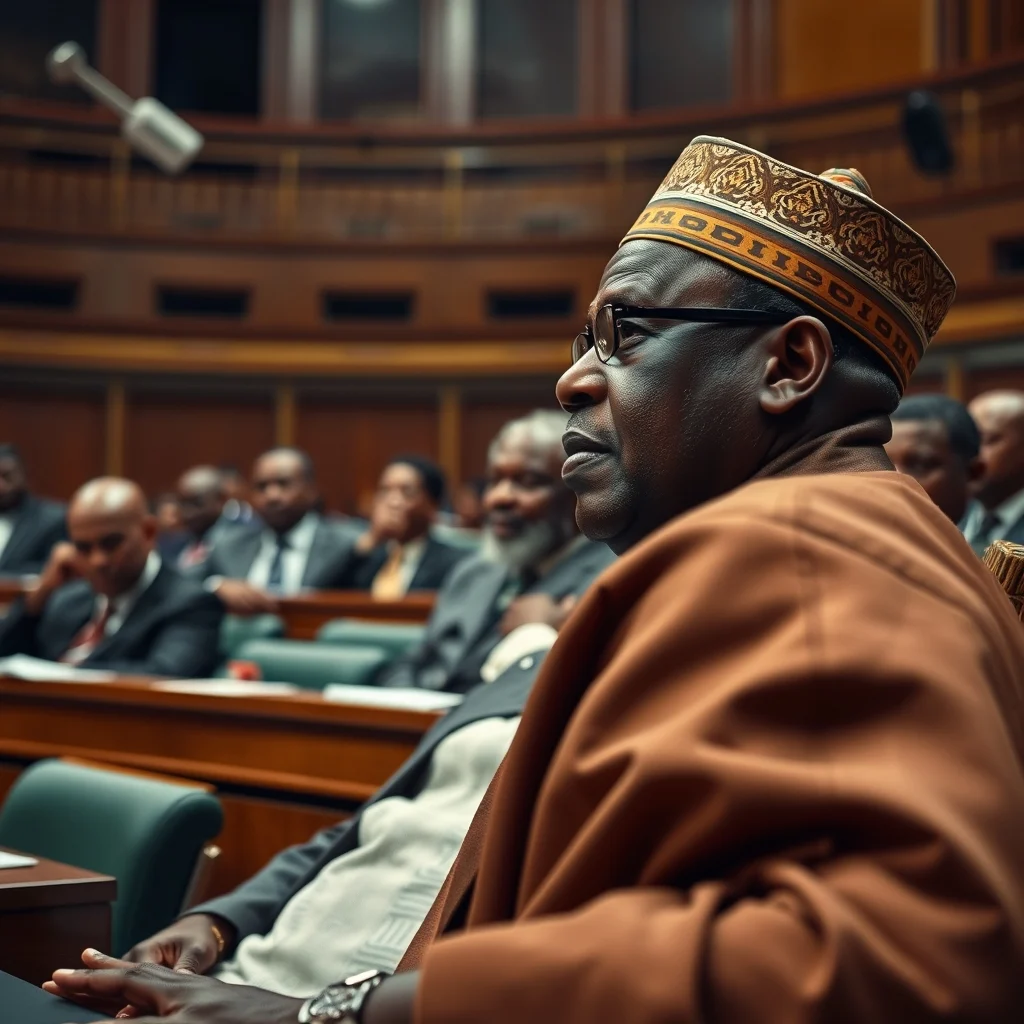
Accra, Ghana – Former Finance Minister Dr. Mohammed Amin Adam has stated that Ghana’s shift to an International Monetary Fund (IMF) Policy Coordination Instrument (PCI) was a consequence of the government’s failure to adequately implement agreed-upon structural reforms. The Karaga Member of Parliament made these remarks during a parliamentary debate on Ghana’s exit from the current IMF program, highlighting that the PCI reflects the IMF’s concerns over reform execution rather than a new financial support package.
Context of Ghana’s IMF Engagement
Ghana has been engaged with the IMF for an Extended Credit Facility (ECF) aimed at restoring macroeconomic stability and debt sustainability. This program typically involves stringent conditions related to fiscal consolidation, monetary policy, and structural reforms. The successful completion of these reforms is crucial for unlocking tranches of financial assistance and signaling economic recovery to international markets.
The recent transition to a PCI signifies a shift in the IMF’s engagement with Ghana. Unlike the ECF, a PCI is primarily a framework for policy dialogue and monitoring, often utilized when a country has demonstrated progress but faces challenges in fully implementing agreed reforms, or when significant external financing is not the immediate priority.
Reform Implementation Under Scrutiny
Dr. Amin Adam expressed surprise that the government would accept new IMF-monitored conditionalities without securing additional financial aid. He asserted that Ghana had fallen short on specific structural benchmarks required under the previous IMF program.
“One of the targets you were supposed to meet in respect of the structural benchmarks you failed,” Dr. Amin Adam stated in Parliament. He contrasted Ghana’s reform implementation rate with that of peer African nations.
“We have brought it to 70% implementation just like our peers, Kenya 71%, Zambia 72%, and by the time that you exited the IMF programme you had brought it to 55%,” he added, implying a relative slowdown in Ghana’s reform pace compared to its contemporaries at the program’s exit.
According to the former minister, these perceived shortcomings in reform implementation were the primary driver behind the IMF’s recommendation or requirement for Ghana to move to the PCI framework.
“That is the reason the IMF forced you to accept the PCI because you didn’t implement the structural reforms,” he argued, suggesting that the PCI is a less favorable arrangement for the government due to its reform-centric nature and lack of direct financial disbursement.
Government’s Stance and IMF’s Role
The former Finance Minister urged the government to focus on meeting its reform commitments under the new framework. He cautioned against portraying the transition to the PCI as a significant policy achievement, suggesting it rather underscores underlying challenges in reform execution.
The IMF typically works with member countries to design programs that address specific economic challenges. The PCI, as described by Dr. Amin Adam, emphasizes policy discipline and structural adjustments, which are critical for long-term economic health. The absence of direct funding under the PCI suggests the IMF’s current focus is on ensuring Ghana solidifies its reform agenda independently, with the Fund providing guidance and oversight.
Implications for Ghana’s Economy and Public Perception
This shift to a PCI, driven by reform implementation concerns, has several implications for Ghana. Firstly, it means the government must demonstrate a stronger commitment to executing structural changes without the immediate incentive of IMF financial inflows. This could test the government’s resolve and capacity to implement potentially difficult reforms.
Secondly, the perception of Ghana’s economic management by international partners and investors may be influenced. While exiting a full IMF program is often seen positively, the reason for the transition – reform delays – could temper optimism about the sustainability of Ghana’s economic recovery.
For the average Ghanaian, the success of the PCI will ultimately be measured by its impact on economic stability, job creation, and improved living standards. The focus on reforms suggests a long-term strategy, but the immediate absence of new IMF funds means domestic resource mobilization and efficient public spending will be even more critical.
Looking Ahead
The coming months will reveal whether the government can effectively navigate the PCI framework and accelerate its reform agenda. Key indicators to watch will include progress on fiscal targets, improvements in governance, and the successful implementation of structural measures in areas such as state-owned enterprise reform and revenue administration. The IMF’s continued monitoring under the PCI will provide an ongoing assessment of Ghana’s economic trajectory, with potential implications for future access to international capital markets and investor confidence.










Leave a Reply