
Accra, Ghana – May 2026 saw Ghana’s inflation rate significantly influenced by a surge in food prices, the cost of locally produced goods, and varied regional price increases, according to Government Statistician Dr. Alhassan Iddrisu. Speaking to journalists on June 3, 2026, Dr. Iddrisu revealed that domestically produced items were responsible for approximately 92% of the total inflation recorded during the month.
Homegrown Inflation Dynamics
Dr. Iddrisu characterized the current inflationary environment as primarily a “homegrown story.” This emphasis on locally sourced goods highlights the substantial impact of domestic supply conditions on overall price movements. The dominance of these items in the inflation calculation underscores the sensitivity of Ghana’s economy to internal production and distribution factors.
Food Prices Take Center Stage
Food inflation experienced a notable rise, reaching 3.3%. This increase was propelled by a 2% month-on-month escalation in food prices. Food items emerged as the single largest contributor to the headline inflation figure, placing a considerable burden on household budgets.
Conversely, non-food inflation showed a slight decrease, settling at 4.1% in May compared to 4.2% in April. While this indicates some moderation in non-food categories, the overall inflationary pressure remained significant.
Services Outpace Goods in Price Increases
The statistical analysis also pointed to a trend where services are increasing in price at a faster rate than goods. Dr. Iddrisu specifically identified housing, rent, and education as key service sectors contributing to this pressure.
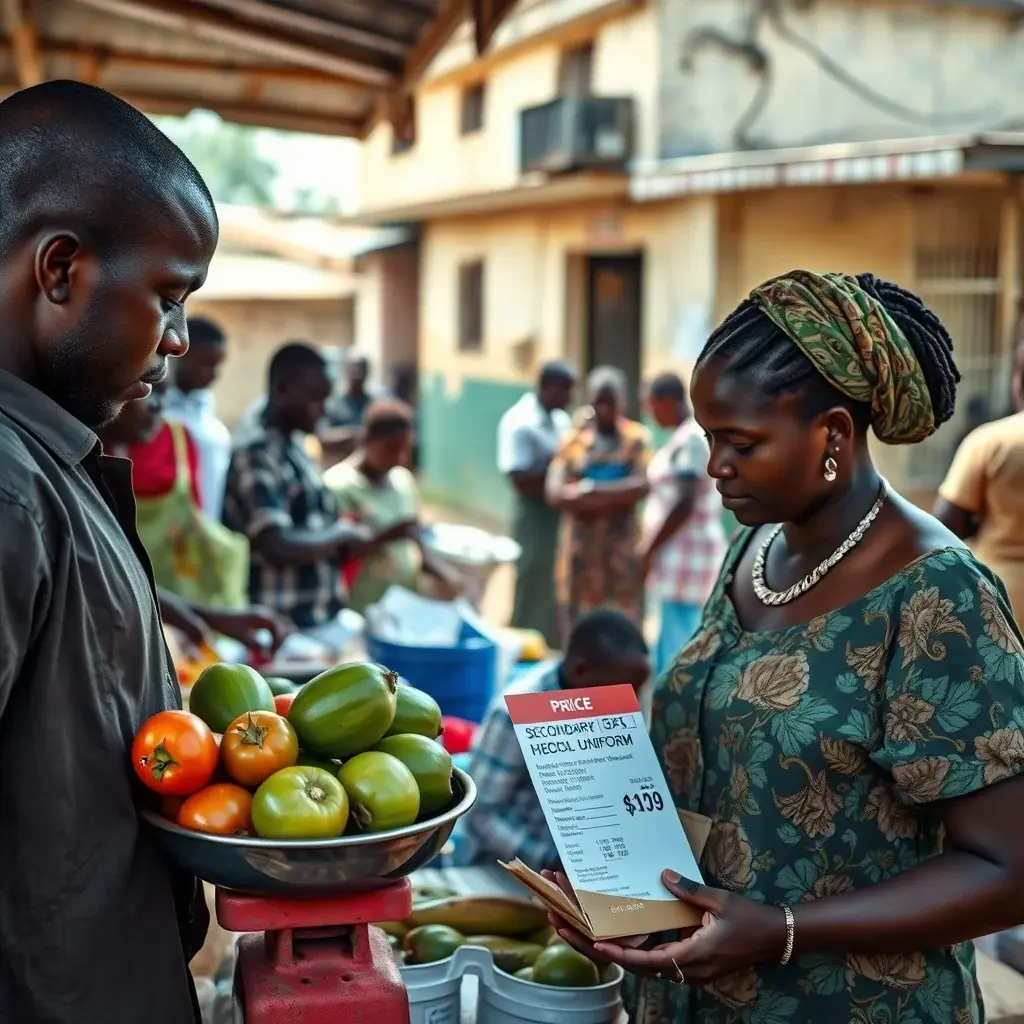
Specific examples cited included rent payments, which accounted for 11.8% of inflation. Other significant contributors were fresh tomatoes at 11.4%, secondary school fees at 9.3%, and green plantain, also at 9.3%. These figures illustrate the direct impact on consumers’ essential living costs.
Regional Disparities and Moderating Factors
The inflation data revealed considerable differences in price changes across Ghana’s various regions. Some areas reported double-digit inflation rates, indicating localized economic stress, while other regions experienced actual price declines. This uneven distribution suggests that national inflation figures may mask significant regional economic variations.
In a counterbalancing effect, transport costs played a role in moderating the overall inflation rate. According to Dr. Iddrisu, fuel and fare prices remained below their levels from the previous year. This helped to offset some of the sharper increases observed in food prices.
Policy Implications and Future Outlook
Dr. Iddrisu concluded that despite inflation remaining relatively low compared to historical peaks, continuous policy focus is required. Key areas for attention include strengthening food systems, improving local supply chains, and addressing the regional disparities in price developments to ensure sustained economic stability.
Looking ahead, the government and economic stakeholders will need to monitor domestic production levels closely and implement targeted interventions to stabilize food prices. The persistent rise in essential service costs like rent and education will also demand careful policy consideration to alleviate household financial strain. The interplay between these factors will be crucial in shaping Ghana’s inflation trajectory in the coming months.










Leave a Reply