
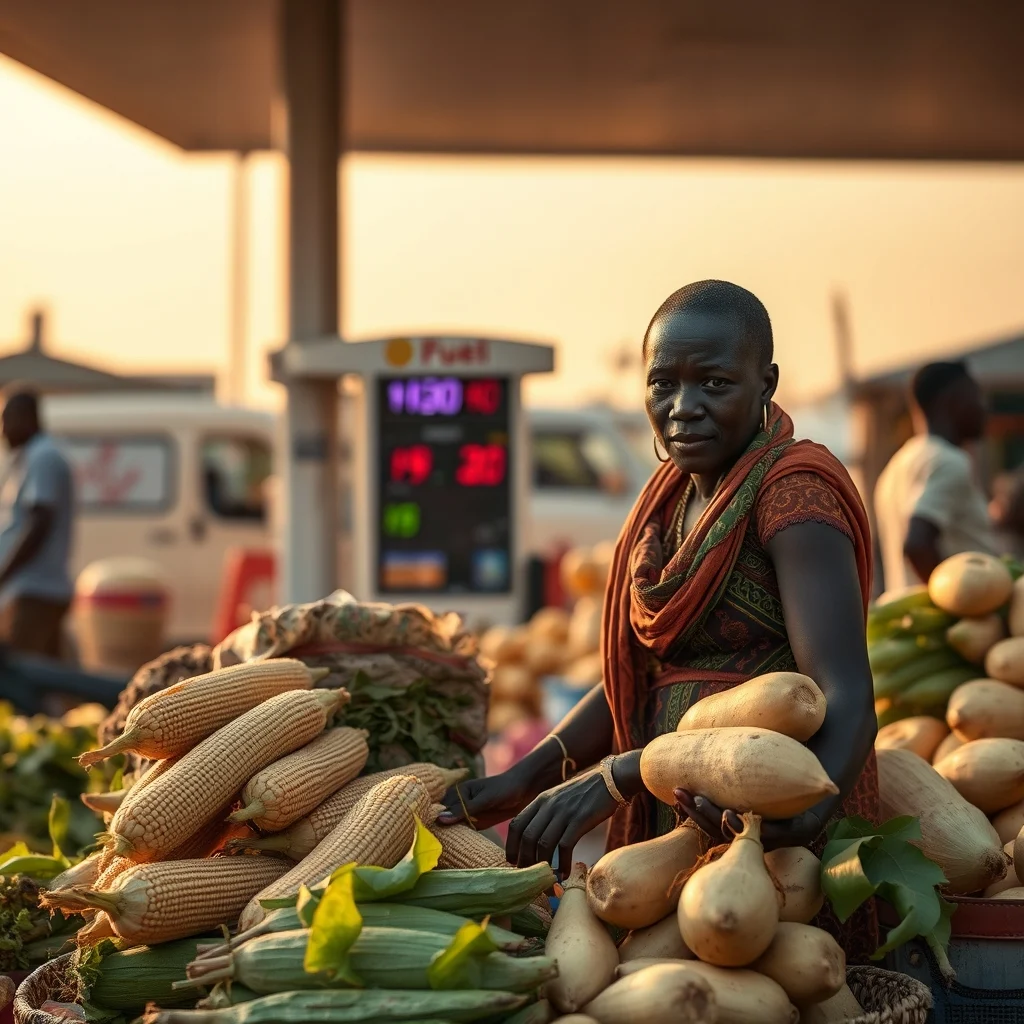
Rising global fuel costs are poised to disrupt Ghana’s disinflationary trend, potentially impacting the nation’s inflation outlook for 2026. This surge in energy prices is expected to translate into higher costs for transportation and utilities, prompting a more cautious approach from the Bank of Ghana regarding interest rate reductions, according to a recent analysis by Deloitte.
Context of Inflationary Pressures
Ghana had experienced a sustained period of declining inflation, with 15 consecutive months of decrease leading up to April 2026. This trend had allowed the Bank of Ghana to consider easing monetary policy through interest rate cuts.
However, recent global economic shifts, particularly the upward trajectory of oil prices, are reintroducing inflationary pressures. This development necessitates a careful recalibration of economic strategies to maintain price stability.
Analysis of Inflation Components
Deloitte’s monthly inflation outlook report highlights that both food and non-food inflation are susceptible to upward adjustments. Food inflation may see a seasonal uptick in the coming months.
This is attributed to reduced supplies of staple crops such as maize, rice, and cassava. Such seasonal supply constraints typically drive up prices in the food index.
Concurrently, non-food inflation is also projected to increase. Key drivers include rising costs associated with housing, utilities, and transportation. The report further notes that potential volatility in the Ghanaian cedi could affect the prices of imported goods.
Upward adjustments in service costs across various sectors could also contribute to heightened inflationary pressures within the non-food category.
April 2026 Inflation Figures
In April 2026, Ghana’s inflation rate saw a marginal increase of 0.2 percentage points, reaching 3.4%. This marked the first upward movement in the inflation rate after a year and three months of consistent decline.
The month-on-month inflation also accelerated significantly, climbing to 1.0% from 0.1% recorded in March 2026. This represents the highest monthly inflation increase witnessed since February 2025.
While the overall inflation rate rose, year-on-year food inflation experienced a slight decrease, falling to 2.2% from 2.3% in March 2026. This positive development was attributed to improved domestic food supply conditions and favorable seasonal factors for certain agricultural produce like okra, kontomire, watermelon, and garden eggs.
The stability of the Ghanaian cedi also played a role in reducing the cost of imported agricultural inputs, further supporting lower food prices.
Non-Food Inflation Drivers
Conversely, non-food inflation saw an increase, rising to 4.2% in April 2026 from 3.9% in March. The primary catalyst for this rise was the increase in fuel prices, which directly impacted transport costs.
Structural rigidities within the housing and utilities sectors, encompassing water, gas, and electricity, also contributed to the upward trend in non-food inflation.
Sectors Experiencing Highest Inflation
The report identified the top five divisions with the highest inflation rates in April 2026. These were Housing, Water, Electricity, Gas and Other Fuels, which recorded a significant 12.48%.
Other sectors with high inflation rates included Insurance and Financial Services (7.9%), Education Services (7.5%), Restaurants and Accommodation Services (7.5%), and Recreation, Sports and Culture (4.8%).
Implications for Monetary Policy and Consumers
The resurgence of inflationary pressures signals a potential shift in the Bank of Ghana’s monetary policy stance. Analysts anticipate that the central bank will likely adopt a more cautious approach, potentially slowing down the pace of interest rate cuts.
This strategy aims to anchor inflation expectations and prevent a sustained breach of the target inflation band. For consumers, rising fuel costs and subsequent increases in transport fares and utility bills could erode purchasing power.
The impact on food prices, though currently moderated by seasonal factors, remains a concern if global commodity prices continue to climb. Businesses may face increased operational costs, potentially affecting profitability and investment decisions.
Looking Ahead
Attention will be closely focused on global oil price movements and their transmission to the domestic economy. The effectiveness of seasonal agricultural supply management and the stability of the Ghanaian cedi will be critical in mitigating food inflation.
Furthermore, the Bank of Ghana’s response to these evolving inflationary dynamics, particularly its decisions on interest rates, will be a key indicator of the economic outlook for the remainder of 2026.










Leave a Reply