
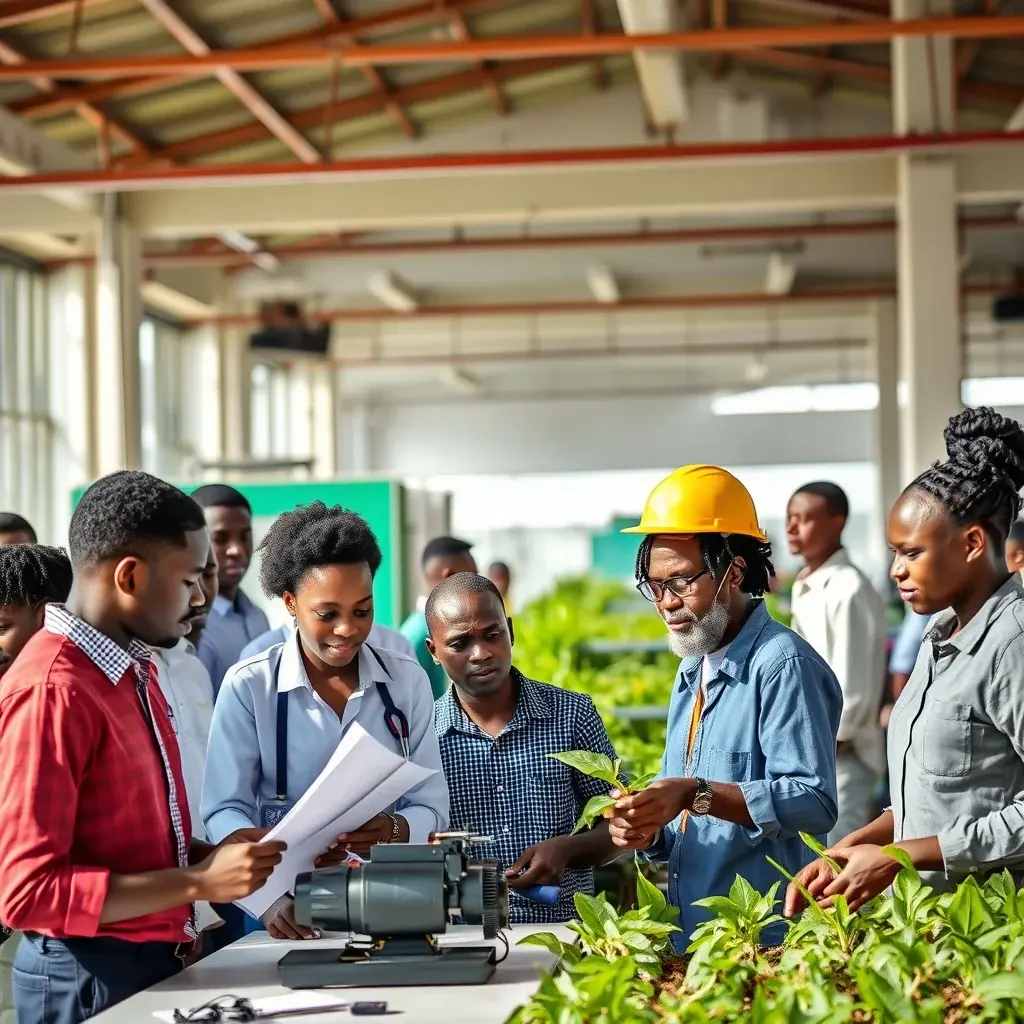
A US-based Ghanaian economist has highlighted deep-seated structural weaknesses within Ghana’s labour market that require urgent attention. Dennis Nsafoah, an Assistant Professor of Economics at Niagara University, warns that policymakers lack sufficient reliable and timely data to effectively design employment policies, leading to an incomplete understanding of the nation’s employment landscape. This comes as the National Development Planning Commission (NDPC) champions a ‘jobs-first’ agenda.
Data Gaps Hamper Policy Design
According to Dr. Nsafoah, a significant challenge for Ghanaian policymakers is the absence of comprehensive and up-to-date labour market data. This deficiency prevents a clear picture of employment levels, underemployment, wage dynamics, productivity, and overall labour force trends.
Without this crucial information, designing and implementing targeted and effective employment policies becomes an arduous task. Policymakers are, in many instances, operating with an incomplete understanding of the true state of the job market.
Shifting Focus from Macroeconomic Indicators to Employment Quality
Dr. Nsafoah commended the NDPC, led by its Chairman Dr. Nii Moi Thompson, for prioritizing the labour market within national development discussions. He noted that for too long, economic policy debates in Ghana have predominantly focused on inflation, exchange rates, fiscal deficits, and GDP growth.
While these macroeconomic indicators are important, Dr. Nsafoah argues they do not fully capture the economic well-being of the average Ghanaian household. For most citizens, the true measure of economic progress lies in the creation of meaningful and sustainable employment opportunities.
This perspective suggests a need to rebalance the national economic discourse to give greater weight to employment outcomes alongside traditional macroeconomic targets.
Dominance of the Informal Sector and Skills Mismatch
Beyond data limitations, a substantial portion of Ghana’s employment remains concentrated in the informal sector. This sector is characterized by generally low productivity, unstable incomes, and a lack of adequate social protection for its workers.
Furthermore, many young graduates face significant hurdles in transitioning into productive employment. Underemployment is also a prevalent issue, affecting even those who are statistically considered employed but may not be utilizing their full potential or skills.
This situation creates a disconnect where the country might achieve respectable GDP growth rates, yet many households experience stagnant incomes and limited job prospects.
Implications of Weak Labour Market Outcomes
The consequences of these structural weaknesses are far-reaching. Dr. Nsafoah points to several significant implications, including lower household income growth, which in turn reduces domestic demand and hinders private sector expansion.
Rising inequality is another key concern, as is declining confidence among the youth regarding future economic opportunities. This can also increase pressure for outward migration as individuals seek better prospects elsewhere.
Potential Benefits of a ‘Jobs-First’ Policy
Despite the challenges, Dr. Nsafoah expresses optimism about the potential of a well-designed ‘jobs-first’ policy framework. Such an approach could strengthen Ghana’s economy by increasing household incomes and purchasing power, thereby boosting domestic demand and supporting private sector growth.
Policies focused on skills development, industrialization, and productivity enhancements can elevate the quality and efficiency of the labour force. This can lead to better-paying and more stable jobs.
Moreover, a stronger labour market broadens the tax base, which can improve fiscal sustainability and reduce the burden on government support programs. Crucially, improved labour market outcomes can foster greater social stability and enhance economic resilience, particularly among the nation’s youth.
Looking Ahead
The conversation around a ‘jobs-first’ policy is gaining momentum, suggesting a potential shift in Ghana’s economic policy priorities. However, the practical implementation will hinge on addressing the critical data gaps and tackling the structural issues within the labour market. The Bank of Ghana’s role in balancing this focus on employment with its mandate for price stability will be a key factor to watch.










Leave a Reply