
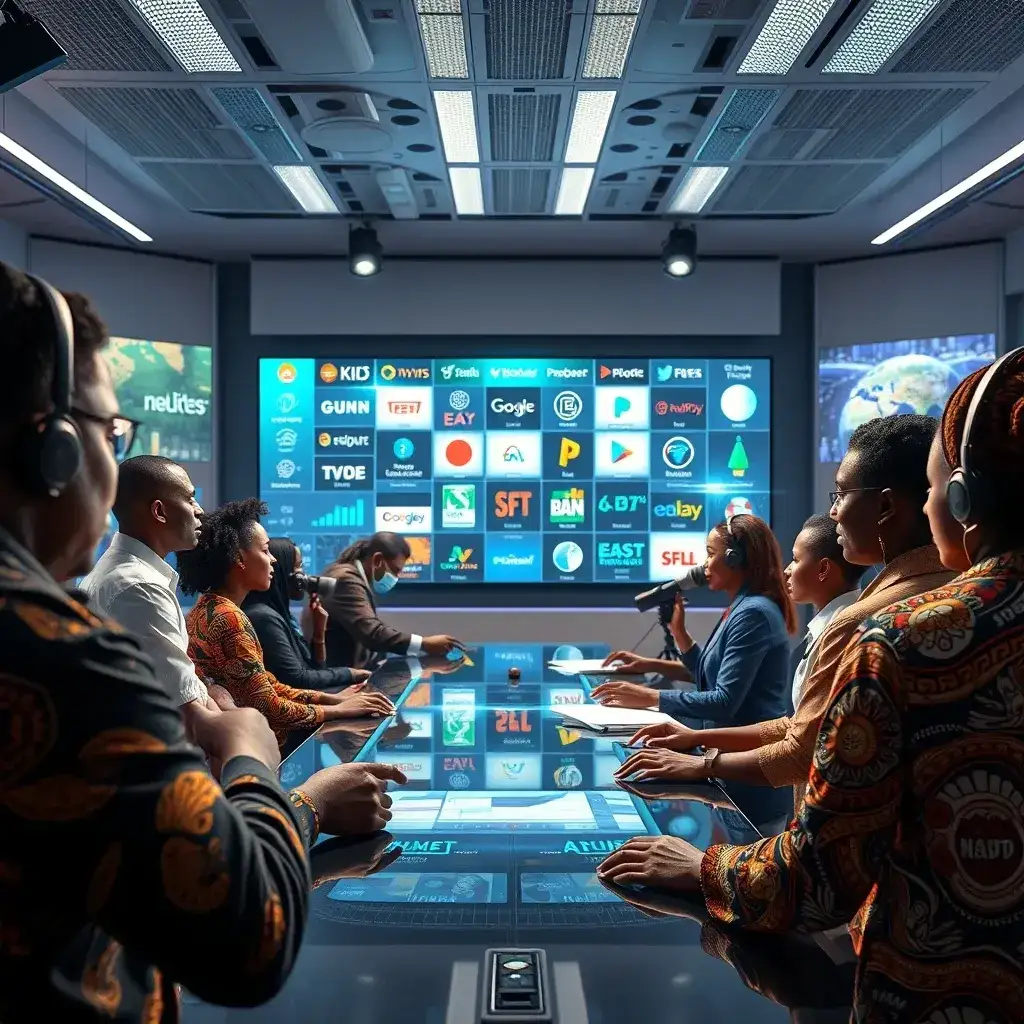
Ghana’s broadcasting industry is entering a new era defined by the rapid integration of Artificial Intelligence (AI), digital convergence, and evolving audience habits. Leaders within the industry, including the Ghana Independent Broadcasters Association (GIBA), are calling for swift adaptation from both media owners and regulators to ensure continued relevance and functionality in this dynamic environment.
The Evolving Multimedia Ecosystem
Abdulai Awudu, President of GIBA and General Manager of Akan Brands, highlighted that traditional broadcasting is no longer a standalone entity. Instead, it is becoming an integrated part of a broader multimedia ecosystem.
This transformation sees radio and television stations coexisting and competing with streaming platforms, podcasts, mobile applications, and a multitude of social media channels. Awudu emphasized that the future broadcaster will transcend the traditional roles, operating within this fully integrated digital space.
Impact of Emerging Technologies
The rise of new technologies presents both significant opportunities and considerable risks. AI-generated content, algorithm-driven distribution methods, and the proliferation of deepfake technology are fundamentally altering how content is created, distributed, and consumed.
These advancements necessitate a re-evaluation of editorial standards and content verification processes within the industry.
Challenges and Concerns
Key concerns emerging from this digital shift include the potential for increased misinformation, a decline in established editorial integrity, and mounting financial sustainability challenges for traditional media houses. Furthermore, competition is intensifying from digital-first platforms that often operate beyond the scope of existing regulatory frameworks.
This creates an uneven playing field, requiring a reconsideration of how media is governed and supported.
The Need for Regulatory Reform
GIBA is advocating for a modernization of regulatory approaches, led by the National Communications Authority (NCA). The current regulatory landscape is seen as lagging behind the rapid pace of technological change and audience behavior shifts.
Awudu called for the development of regulatory frameworks that are technology-neutral, foster innovation, and are adaptable to the digital age. Such frameworks should encompass both traditional broadcasting and the burgeoning online media platforms.










Leave a Reply