
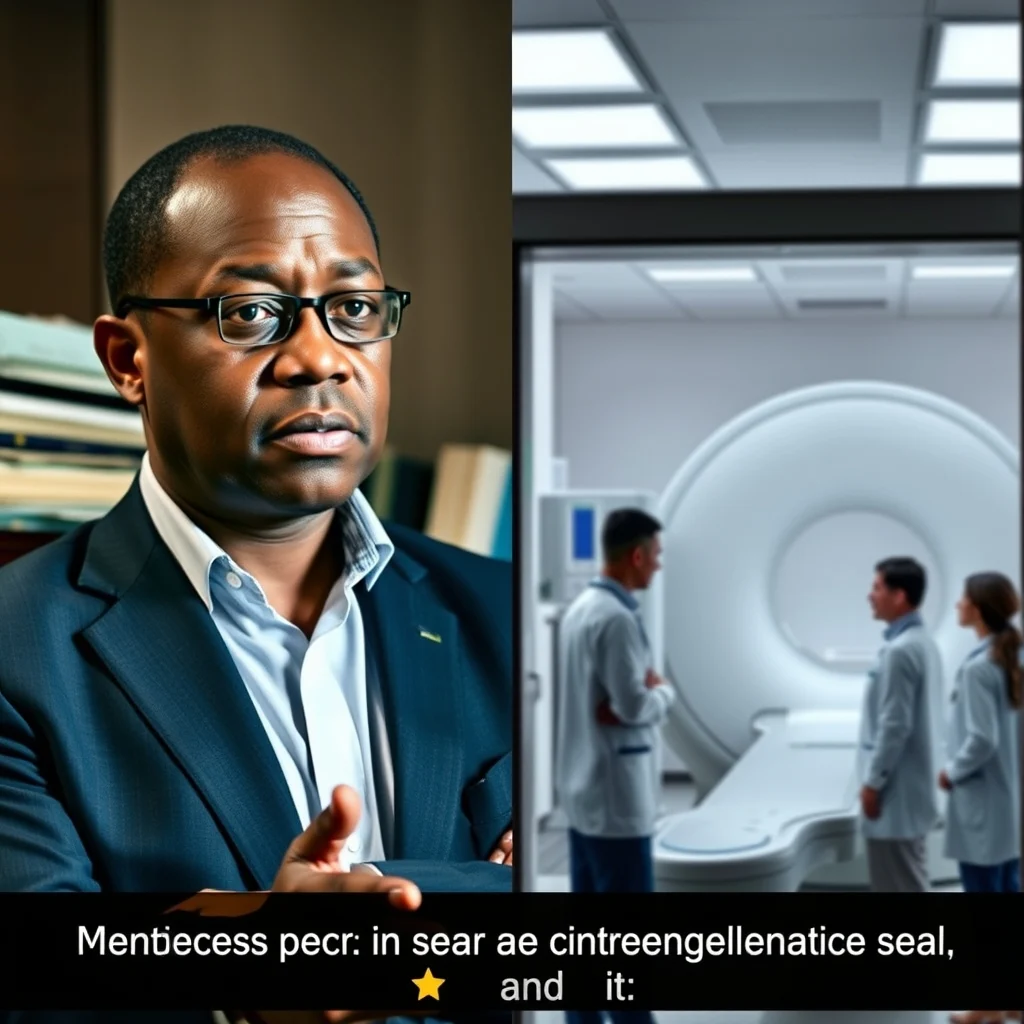
ACCRA, GHANA – The Medical and Dental Council of Ghana is confronting a significant and worrying increase in complaints of malpractice and professional misconduct lodged against healthcare professionals, as revealed by the Council’s Chairman, Professor Agyeman Badu Akosa. This surge, discussed at the 14th Annual General and Scientific Meeting of the Ghana Association of Radiologists in Accra, points to potential ethical breaches and a decline in patient-centred care within the nation’s health sector.
Rising Tide of Complaints
Professor Akosa highlighted the substantial backlog of cases before the Council, attributing it to a growing number of patients who are “getting bolder” in reporting negative experiences. He stressed that the Council has no alternative but to “independently and comprehensively investigate and pronounce” on all allegations brought forth.
The Chairman urged practitioners to recommit to professionalism and meticulous documentation. He cautioned against using systemic challenges as an excuse for substandard patient care, emphasizing that healthcare providers possess the necessary knowledge and skills to deliver essential services even in emergency situations.
Diagnostic Gaps and Chronic Disease Burden
Parallel to the concerns over professional conduct, the meeting also shed light on critical issues within diagnostic services, particularly concerning the rising prevalence of chronic kidney disease (CKD) in Ghana. Dr. Francis Ofei, President of the Ghana Association of Radiologists, called for urgent investment in modern diagnostic infrastructure, including CT and MRI scanners.
Dr. Ofei explained that advanced imaging technologies like ultrasound, CT, and MRI are vital for the early and accurate diagnosis of kidney and renal disorders. The lack of such equipment hinders timely intervention, contributing to the worsening CKD crisis.
Environmental Factors and Multidisciplinary Care
Illegal mining activities were identified as a significant contributing factor to the increase in kidney diseases. Dr. Ofei noted that chemical contaminants like mercury and cyanide, often found in water bodies affected by galamsey, pose a direct risk to kidney health in surrounding communities.
Furthermore, discussions underscored the need for improved collaboration among medical specialists. Dr. Ofei lamented that healthcare delivery often operates in “silos,” with clinicians and radiologists working independently. He advocated for a robust “multidisciplinary approach” to enhance patient outcomes.
Expert Call for Integrated Care Protocols
Echoing these sentiments, Dr. Charlotte Osafo, a nephrologist, confirmed the global and regional rise in CKD, noting that many Ghanaian patients present with advanced-stage disease due to delayed diagnoses and limited access to imaging services. She called for the development of Ghana-specific imaging protocols for CKD and stronger inter-specialty collaboration.
The theme of the meeting,










Leave a Reply