
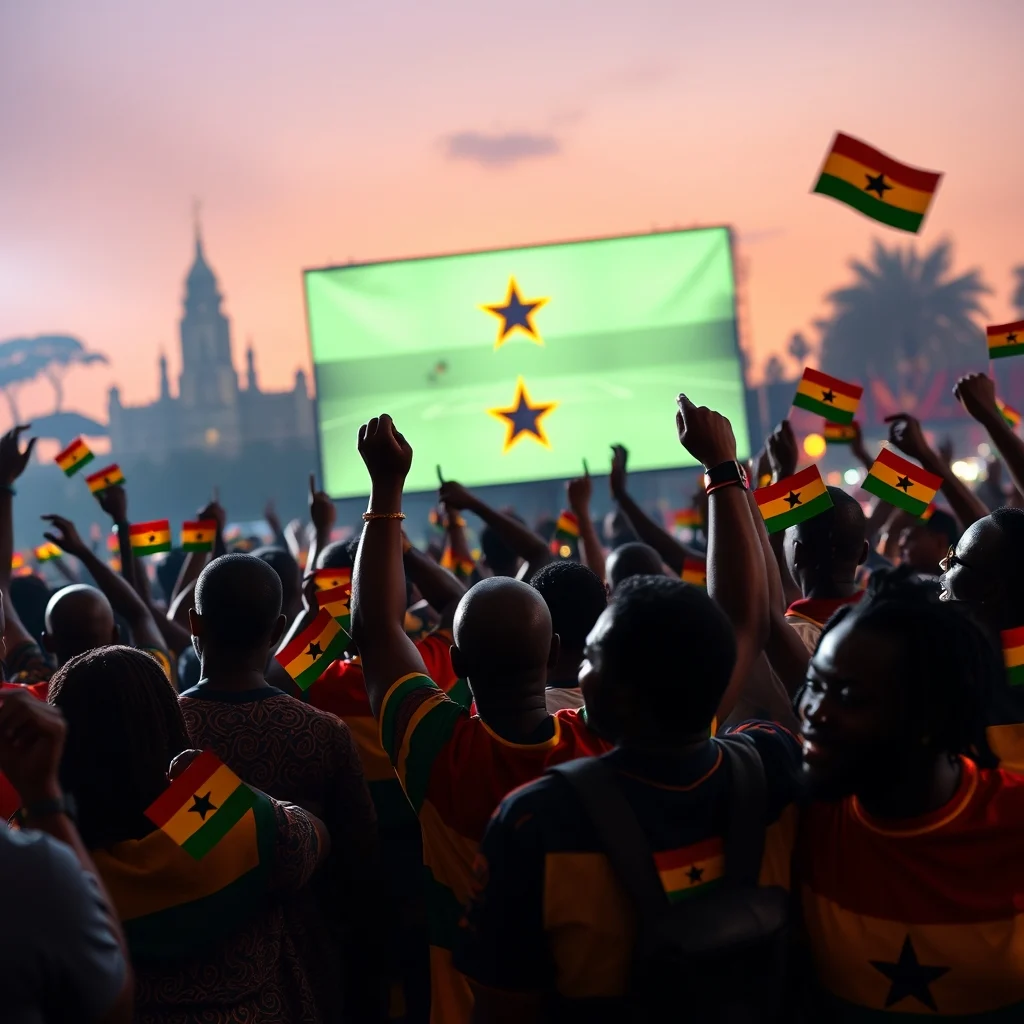
As the 2026 FIFA World Cup approaches, Ghana faces a critical juncture: leveraging the global spotlight of the tournament to showcase its rich tourism, arts, and culture to billions, or once again missing a golden branding opportunity. The tournament, set to be watched by an estimated five billion people from June 11 to July 19 across the United States, Canada, and Mexico, presents an unparalleled platform for nations to project their identity beyond the sport itself.
Ghana’s qualification for the World Cup, a moment of national euphoria marked by widespread celebrations, typically ignites a unique spirit that transcends societal divisions. However, critics argue that the nation consistently celebrates the sporting achievement while failing to capitalize on the immense global visibility the event provides.
The World Cup as a Global Brand Showcase
Unlike past events where nations might focus solely on their football teams, the 2026 World Cup offers a month-long global stage. Countries like Qatar in 2022 and South Africa in 2010 successfully used the tournament to enhance their international profiles, boost tourism, and introduce their cultural offerings to a massive audience. Qatar significantly increased its global standing, while South Africa experienced a notable tourism surge, with the vuvuzela becoming an instant cultural symbol.
The narrative suggests that the true winners of the World Cup are often not the teams lifting the trophy, but the nations that effectively market themselves. This perspective highlights a significant missed opportunity for Ghana, a nation with a compelling and globally relevant story that remains largely untold on the world stage.
Ghana’s Untapped Cultural Wealth
Ghana possesses a wealth of cultural assets that could captivate a global audience. From its pivotal role in the African independence movement and its deep roots in the Highlife and Afrobeats music scenes, to its iconic Kente cloth, vibrant Chale Wote Street Art Festival, and the ever-popular jollof rice, the nation boasts diverse cultural touchstones. Historical sites like Cape Coast Castle offer profound narratives, while natural attractions such as Mole National Park and Lake Volta, alongside bustling markets like Kejetia, present rich tourism potential. Accra, in particular, is recognized as a dynamic city with a burgeoning creative energy.
Despite this cultural richness, the global awareness of these aspects remains limited, a situation attributed to a lack of proactive national branding efforts. The World Cup provides a powerful microphone, and the question remains whether Ghana will utilize this platform to share its compelling story.
Urgency for a ‘Brand Ghana’ Activation
With the tournament just days away, there is an urgent need for a concrete plan to position Ghana’s culture, arts, and tourism globally. The current situation suggests a lack of coordinated strategy, risking the squandering of this significant opportunity. The responsibility falls on key figures like the Hon. Abla Dzifa Gomashie, Minister for Tourism, Culture and Creative Arts, and Maame Efua Houadjeto, CEO of the Ghana Tourism Authority, to translate the conversation into immediate action.
The proposed strategy involves agreeing on a singular national narrative or emotional thread to be amplified across all platforms during the tournament. This requires creating broadcast-ready content showcasing Ghanaian culture, cuisine, fashion, and history, and making it accessible to international broadcasters covering the event.
Mobilizing a Coordinated National Campaign
A coordinated digital strategy, featuring a unified hashtag and a network of content creators producing daily material across platforms like TikTok, Instagram, YouTube, and X, is deemed essential. This campaign should involve activating the Ghanaian diaspora in major international cities as grassroots ambassadors. Prominent Ghanaian artists and creatives, including Akwaboah, Fuse ODG, Shatta Wale, Sarkodie, Black Sherif, Stonebwoy, DopeNation, Kofi Kinaata, and Grace Ashly, should be engaged as central figures in this branding initiative.
The Ministry of Tourism, Culture and Creative Arts is urged to convene an emergency meeting involving relevant agencies, the Ghana Football Association, and private sector partners to align on a single campaign message. The Ghana Tourism Authority should promptly compile and distribute a comprehensive media pack for international journalists and broadcasters. Ghanaian embassies and high commissions in host countries and key markets should organize cultural events, and a visible Ghana presence should be sought within FIFA Fan Zones.
Leveraging Media and Diaspora Networks
Major Ghanaian broadcasters are encouraged to dedicate airtime to cultural programming that highlights tourism destinations, chefs, designers, and heritage sites throughout the tournament. A dedicated team of Ghanaian media professionals should be present in host cities to produce real-time content from the tournament environment. A unified campaign hashtag needs to be launched immediately, with all stakeholders committed to its consistent use.
A daily content calendar focusing on Ghana’s offerings should be implemented across social media, tied to match-day excitement. Ghanaian content creators, both locally and in the diaspora, should be provided with clear guidelines and a posting schedule. Targeted digital advertising in key international markets during peak viewing times could direct audiences to Ghanaian tourism platforms.
Engaging Creatives and Businesses
Musicians, designers, chefs, and visual artists should be formally appointed as Brand Ghana World Cup Ambassadors, tasked with authentically telling Ghana’s story. Diaspora associations should organize cultural events on match days to capitalize on heightened visibility. Airlines, hotels, and hospitality brands are encouraged to create bundled packages that combine the football experience with cultural tours to significant Ghanaian landmarks.
Ghanaian restaurants globally could host match-day events designed to introduce patrons to the nation’s culture beyond the football scores. The benefits of such a coordinated effort may not be immediate but are expected to manifest in increased tourism bookings, investment interest, and a broader global curiosity about Ghana in the months and years following the tournament.
Looking Ahead
The current moment demands urgency and a unified passion, mirroring the fervor Ghanaians exhibit when supporting the Black Stars. While the team carries footballing dreams, ‘Brand Ghana’ has the potential to carry something far more significant. With billions watching and only days until kickoff, the focus must shift to ensuring the world sees more than just a football match; they must see Ghana.










Leave a Reply