
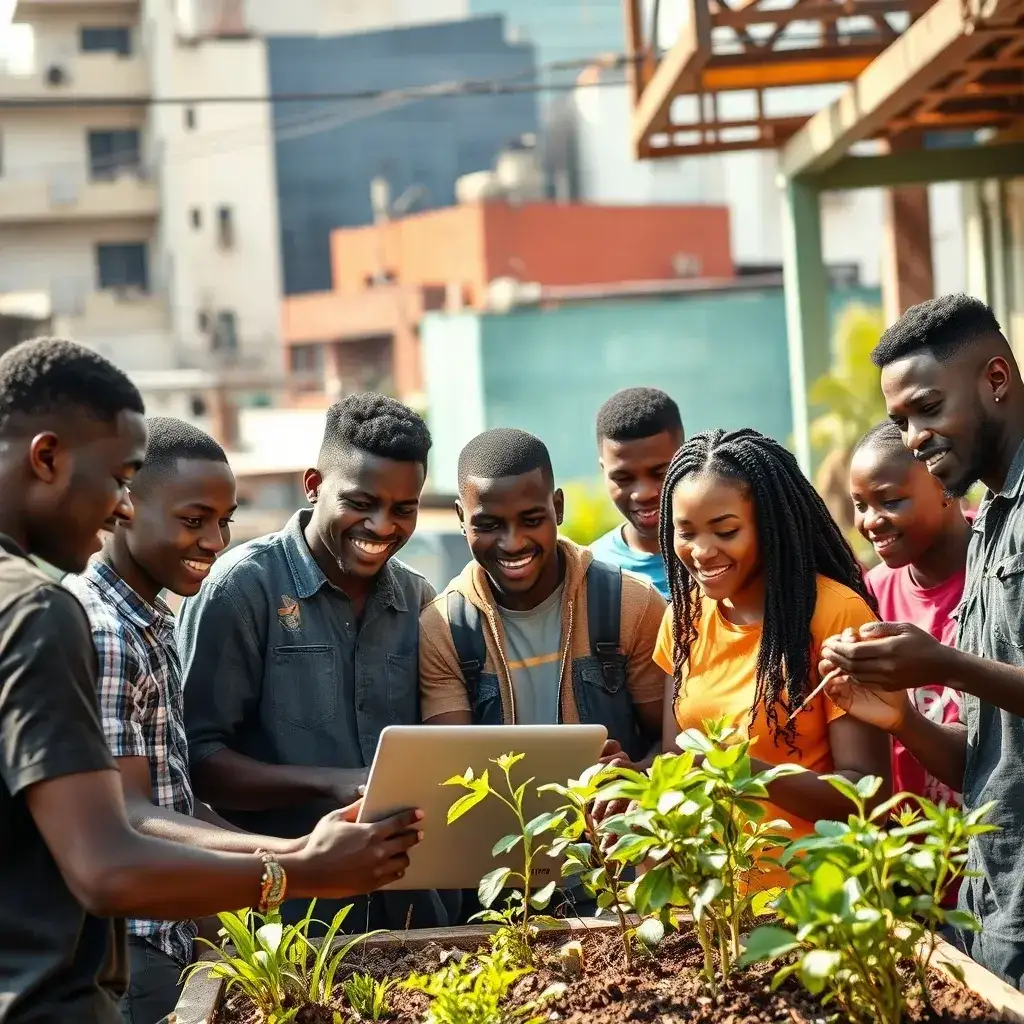
Accra, Ghana – May 12, 2024 – Former Dormaa East Member of Parliament, Paul Twum-Barimah, strongly refuted the notion that Ghanaian youth are inherently lazy, asserting instead that they possess significant untapped potential that requires strategic leadership, effective policies, and a supportive national environment to be realized. His remarks highlight a growing discourse around empowering the nation’s young population.
Challenging Perceptions
Speaking on the theme “Youth Potential,” Twum-Barimah articulated that despite facing considerable economic challenges and limited opportunities, young Ghanaians consistently exhibit remarkable creativity, resilience, and innovative spirit.
He emphasized that the primary need for the nation’s youth is not a change in their inherent character, but rather the provision of the right support systems. These systems, he argued, are crucial for enabling them to excel across various sectors including education, entrepreneurship, technology, and broader national development.
“Ghanaian youth are not lazy; they possess enormous potential and need good policies and a conducive environment to thrive,” stated Lawyer Twum-Barimah. This perspective directly challenges prevailing negative stereotypes that often hinder the progress and recognition of young people.
The Imperative for Investment and Empowerment
The former lawmaker urged policymakers and relevant stakeholders to shift their focus towards tangible actions. He called for prioritized investments in skills training programs, robust job creation initiatives, and comprehensive youth empowerment strategies.
Such investments, he believes, are essential for effectively addressing the pressing issues of youth unemployment and the resulting frustration that can destabilize society. Creating avenues for success is seen as a direct solution to these pervasive problems.
Twum-Barimah highlighted the broader economic and social benefits of empowering the youth. He posited that when young individuals are equipped with the necessary tools and opportunities, they transform into powerful catalysts for progress and societal transformation.
Fueling National Growth
The economic argument for youth empowerment is clear: investing in young people is an investment in the nation’s future productivity and stability. By fostering an environment where youth can thrive, Ghana stands to gain significantly in terms of innovation, economic growth, and social cohesion.
“When the youth are empowered with the right tools and opportunities, they become drivers of progress and transformation,” he noted, underscoring the transformative power of strategic support.
A Call to Action for Youth and Leaders
Beyond policy recommendations, Twum-Barimah also addressed the youth directly. He encouraged young Ghanaians to maintain their determination and focus, even in the face of current difficulties.
He urged them to proactively continue developing their talents and pursuing productive ventures. This personal drive, coupled with external support, is seen as a winning combination for individual and collective success.
The future trajectory of Ghana, according to Twum-Barimah, is inextricably linked to the energy, innovation, and commitment of its young population. Sustainable national development, he concluded, hinges on providing young people with the opportunities they need to reach their full potential.
Looking Ahead
The discourse initiated by Twum-Barimah points to a critical juncture for Ghana. As the nation grapples with economic development, the focus on unlocking youth potential through targeted policies and investment is paramount. Stakeholders will be watching to see if legislative and economic strategies will pivot to prioritize skills development, job creation, and entrepreneurial support, thereby transforming Ghana’s demographic dividend into sustainable national progress.










Leave a Reply