
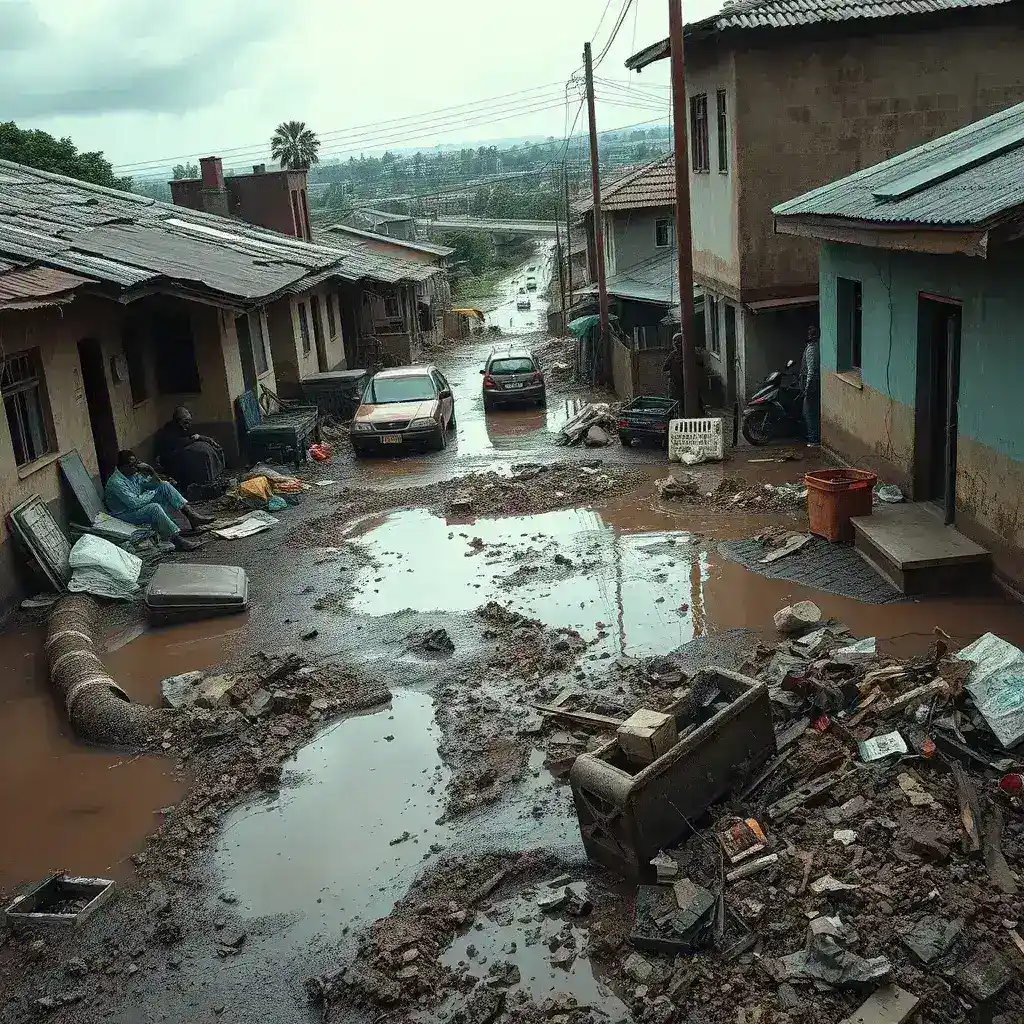
The Government of Ghana has recommitted to intensifying efforts to combat the nation’s persistent flooding issues following significant devastation across Accra and other communities due to recent heavy rains. A press release from the Ministry of Works, Housing and Water Resources on Saturday highlighted the government’s concern over damaged infrastructure, disrupted lives, and economic losses.
The Ministry acknowledged the considerable hardship faced by thousands of residents in low-lying and flood-prone areas, extending sympathy on behalf of President John Dramani Mahama to those affected by the disaster. The statement recognized the profound emotional, social, and economic toll on victims who have lost homes, belongings, and livelihoods.
Context of Persistent Flooding
Ghana has grappled with recurring flooding for years, a problem exacerbated by a combination of factors. While climate change and increasingly intense rainfall patterns strain urban infrastructure, human activities remain a primary driver of severe flood impacts.
Key contributing factors identified include the indiscriminate disposal of waste into drains and watercourses, unauthorized construction on wetlands and waterways, and a general disregard for planning regulations. These actions obstruct natural water flow, escalating the frequency and intensity of floods.
President Mahama has previously pointed to poor environmental practices and a lack of discipline in urban planning as major culprits. He has specifically cited the widespread dumping of refuse into drainage systems and unchecked development on waterways as significant contributors to these recurring disasters.
Government Response and Mitigation Efforts
The Ministry stressed that Ghana possesses adequate legal frameworks and technical expertise to address flooding. The core challenge lies in effective enforcement of existing laws and securing the cooperation of all stakeholders, including central and local government bodies, traditional authorities, community leaders, developers, and individual citizens.
Sustainable flood mitigation requires active community support in protecting waterways, maintaining sanitation, and complying with land-use regulations. The government is calling on citizens to recognize their role in safeguarding the environment and preventing flood-inducing activities.
In the immediate aftermath of the recent rains, several agencies have been mobilized to support affected communities. The Ghana Hydrological Authority, in collaboration with the National Disaster Management Organisation (NADMO), Metropolitan, Municipal and District Assemblies, and security services, has activated emergency interventions.
These measures include deploying emergency response teams, distributing relief items, assessing damaged infrastructure, and intensifying drainage maintenance in flood-prone zones. Authorities have also initiated desilting and emergency clearing of blocked drains to improve water flow and mitigate risks from potential further rainfall.
Long-Term Strategies and Investments
Beyond emergency responses, the government is pursuing ongoing initiatives to reduce flood risks nationwide. These include accelerating drainage improvement projects, large-scale desilting of major drains and channels, expanding and rehabilitating stormwater infrastructure, and enforcing stricter development controls, including the removal of structures obstructing natural waterways.
Strengthening inter-agency coordination and enhancing early warning systems and emergency preparedness are also priorities to improve resilience against extreme weather events. Officials believe these actions will significantly reduce community vulnerability and enhance disaster response capabilities.
A comprehensive and sustainable flood management strategy is under development. This strategy aims to tackle the root causes of flooding through substantial investments in drainage infrastructure, integrated urban planning, restoration of wetlands and natural water retention areas, implementation of modern flood warning systems, and stricter enforcement of environmental and planning regulations.
The government also intends to foster the development of climate-resilient communities capable of adapting to severe weather conditions associated with climate change. This involves working closely with stakeholders across all sectors to create safer, more sustainable urban environments.
Call for Collective Action
The Ministry reiterated its appeal to citizens to support national efforts by adopting responsible environmental practices. Residents are urged to keep drains clear of waste, avoid constructing buildings on waterways, and fully comply with planning and environmental regulations.
The government expressed confidence that through collective action, strengthened enforcement, and sustained infrastructure investment, Ghana can overcome its perennial flooding challenges. The statement concluded with a call for unity to safeguard lives, livelihoods, and national development while building resilient communities capable of withstanding climate change impacts.










Leave a Reply