
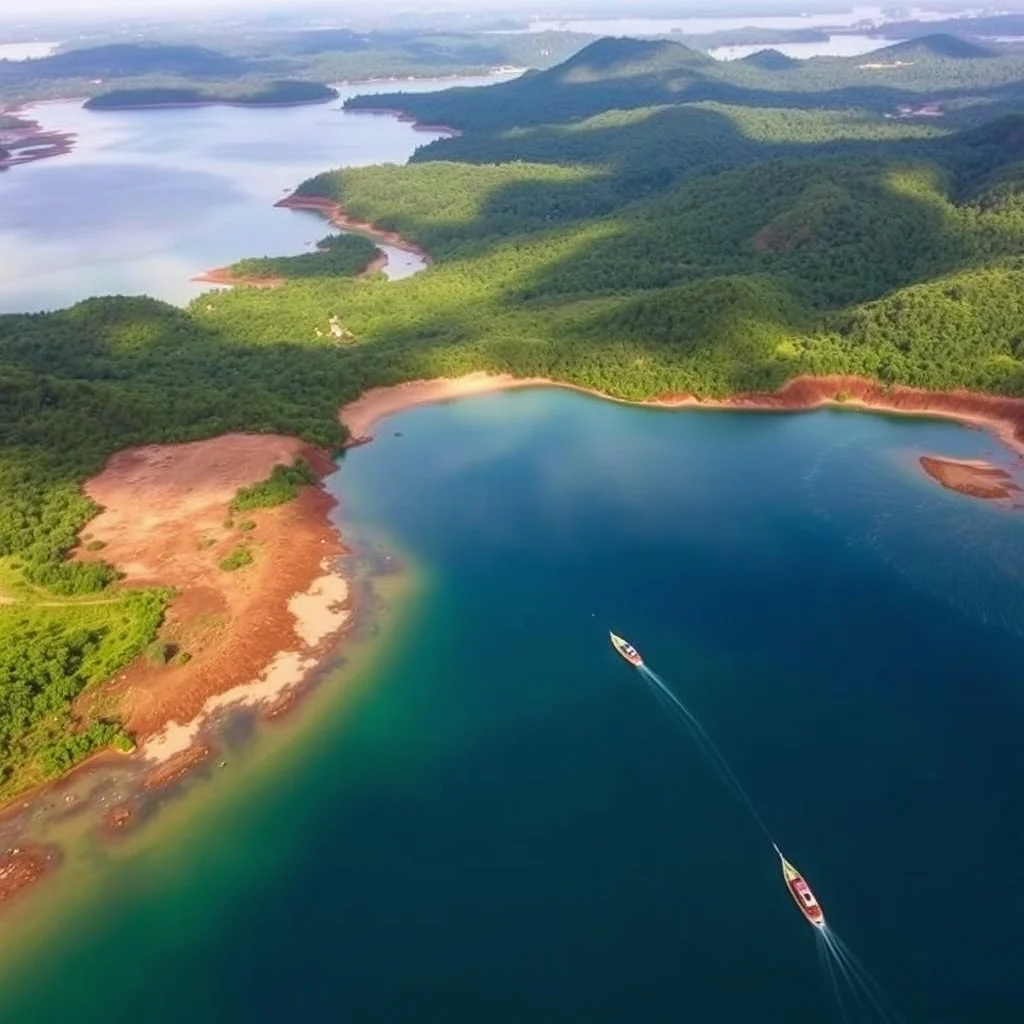
The Oheneba Poku Foundation (OPF) is sounding the alarm over the escalating damage caused by illegal mining and encroachment around Lake Bosomtwe in Ghana’s Ashanti region. This concern, voiced on World Environment Day, highlights the grave risks posed to the lake’s delicate ecosystem, a vital natural heritage asset.
Escalating Environmental Degradation
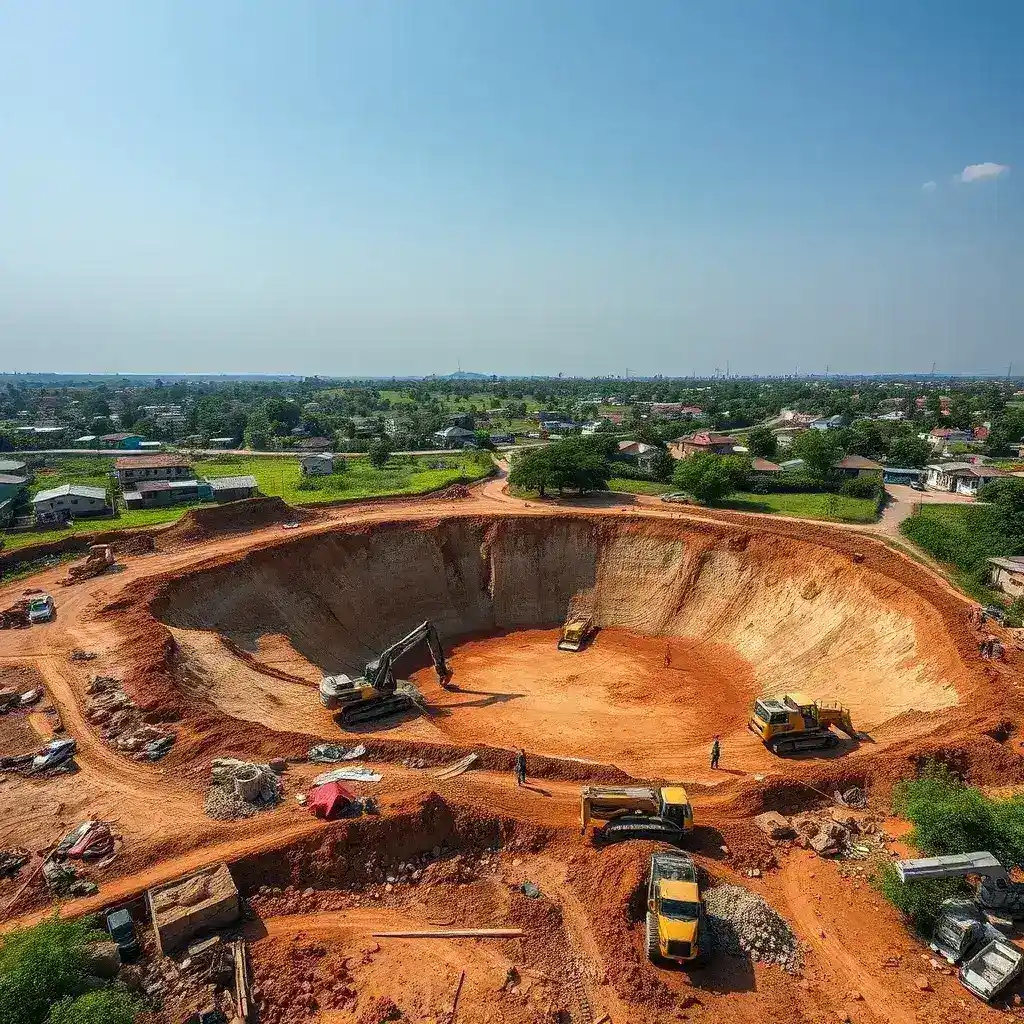
Illegal mining activities, commonly known as ‘galamsey,’ are leading to widespread vegetation destruction and severe soil erosion around the biosphere reserve. These destructive practices destabilize the ecosystem and threaten the long-term success of restoration efforts invested over many years.
Compounding the mining threat, the foundation reports a disturbing increase in people encroaching upon the designated buffer zones surrounding the lake. These areas are crucial for maintaining water quality, ensuring ecosystem stability, and preserving the overall ecological integrity of Lake Bosomtwe.
A Multifaceted Threat to a Natural Wonder
The OPF points to a dangerous convergence of environmental challenges. The combined impact of illegal mining, buffer zone encroachment, land degradation, biodiversity loss, and inadequate enforcement of environmental laws creates a significant risk to the lake’s future sustainability. This situation is particularly concerning as the world observes World Environment Day, themed “Inspired by Nature. For Climate. For Our Future.” The foundation emphasized the need for immediate, coordinated action to protect Ghana’s only natural lake.
Lake Bosomtwe is more than just an ecological site; it is a cornerstone of biodiversity, supports local livelihoods through fishing and tourism, and serves as a valuable resource for scientific research. Its cultural significance to the Asante Kingdom is also profound.
Collaborative Restoration Efforts Under Siege
For years, a broad coalition of stakeholders has worked diligently to restore the landscape around Lake Bosomtwe. This collaboration includes the Oheneba Poku Foundation, the Asante Kingdom’s Manhyia Palace, the Water Resources Commission, the Environmental Protection Agency (EPA), the Forestry Commission, A Rocha Ghana, Community Resource Management Areas (CREMAs), and local district assemblies. Their combined efforts have successfully restored degraded lands and facilitated the planting of over 300,000 trees, boosting ecosystem resilience and raising environmental awareness within local communities.
However, these hard-won gains are now severely threatened by the relentless advance of environmental destruction. The OPF stresses that these achievements are under serious threat from the ongoing environmental damage.
A Call for Strengthened Action and Enforcement
In response to the escalating crisis, the OPF is urging all relevant authorities to enhance their collaborative efforts. The foundation calls upon the EPA, the Water Resources Commission, the Forestry Commission, traditional leaders, and local assemblies to intensify measures for protecting the lake’s ecosystem. Key recommendations include strengthening environmental monitoring, improving enforcement of existing regulations, rigorously protecting buffer zones, and bolstering community-led conservation initiatives.
The foundation also advocates for sustained investment in landscape restoration and biodiversity conservation to counteract the current damage. “We are advocating for enhanced environmental monitoring and enforcement, protection of buffer zones, strengthened community stewardship programmes, and sustained investment in landscape restoration and biodiversity conservation,” stated the foundation.
Raising Awareness and Looking Ahead
As part of its World Environment Day activities, the Oheneba Poku Foundation plans to launch a public awareness campaign. This initiative will include feature articles and a documentary titled “Lake Bosomtwe – Restoration, Progress and Challenges.” The aim is to showcase restoration successes, present scientific insights, share community experiences, and critically examine the environmental threats facing the lake.
The foundation reiterates that safeguarding Lake Bosomtwe is a collective responsibility. Protecting this invaluable natural heritage is framed not just as an environmental imperative, but as a crucial investment in Ghana’s future. The organization emphasizes that urgent, collective action is required to preserve this asset for generations to come.








Leave a Reply