
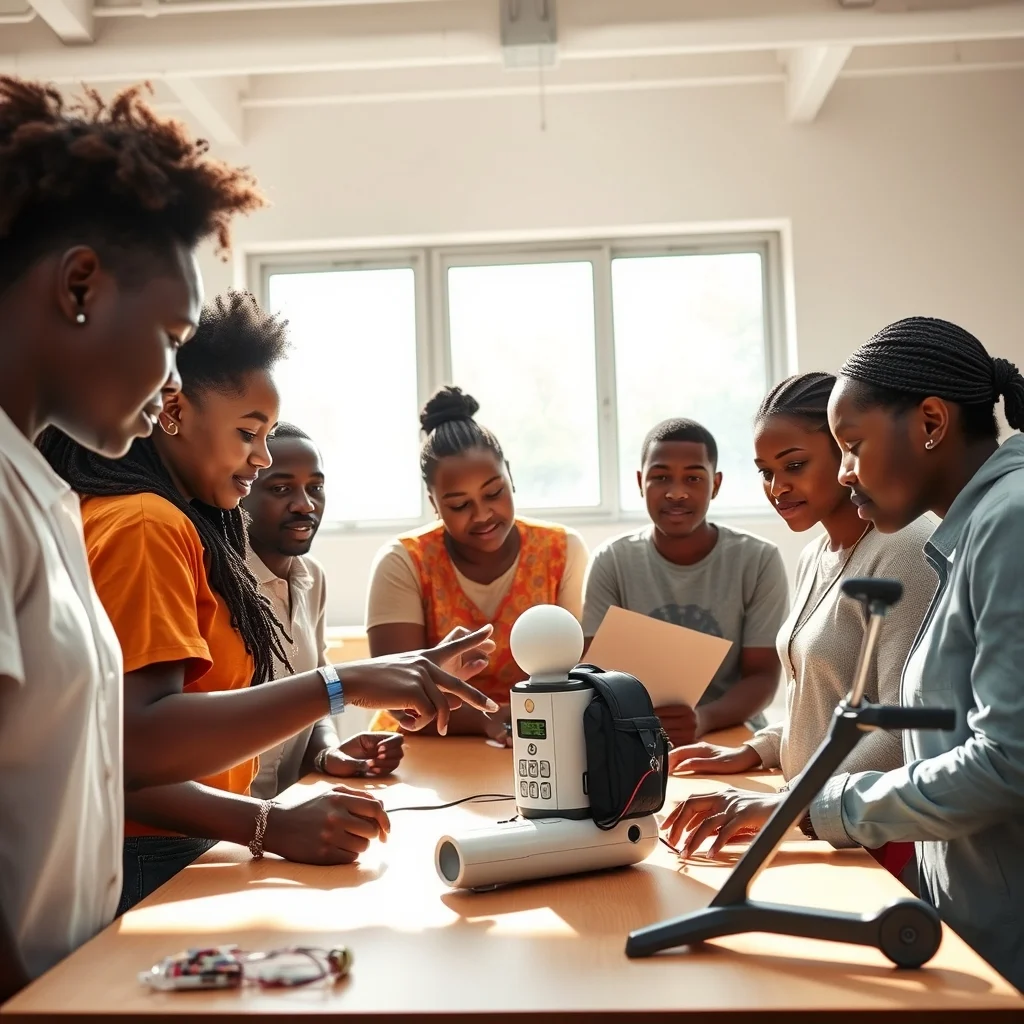
The United Nations Development Programme (UNDP) is significantly boosting Ghana’s development by supporting indigenous innovators and entrepreneurs, fostering advancements in health, education, and job creation, particularly in rural communities. The initiative has exceeded its targets, reaching 12,000 young Ghanaians in the last 18 months, with many developing innovative technologies to assist persons with disabilities.
Context of the Initiative
The UNDP’s strategy in Ghana focuses on critical areas such as environment and climate change, inclusive development, and governance and peacebuilding. This specific entrepreneurship program deliberately targets young people from rural and non-elite backgrounds, empowering them to address local challenges.
Local Solutions for Local Problems
Mr. Niloy Banerjee, UNDP Ghana Resident Representative, highlighted the remarkable success of the program, noting that the innovations are practical and rooted in local resources. “These are not Silicon Valley concepts; they are solutions invented largely from local materials, aimed squarely at local problems,” Banerjee stated. The UNDP provides support without prescribing solutions, encouraging participants to identify and solve community issues using technology and digital tools.
Participants undergo intensive boot camps designed to refine their ideas, test prototypes, and connect with experts in crucial business areas like marketing, finance, and product development. The program culminates in efforts to secure investment relationships for these emerging enterprises.
Breakthrough Innovations
The program has yielded impressive results, with graduates developing groundbreaking solutions. One innovator created a motorized, computer-aided walking stick tailored for the visually impaired. Another developed a wearable nebulizer, a backpack-mounted breathing apparatus designed for individuals with respiratory ailments.
Challenges in Scaling Up
Despite the success in nurturing innovation, scaling these enterprises presents a significant hurdle. Banerjee pointed out that as businesses grow and reach an annual turnover of around GHS50,000, they require substantial credit to scale further towards GHS10 million and beyond. However, Ghana’s banking system, characterized by risk aversion, is not structured to provide the necessary patient capital.
“No bank will say: for the first five years you don’t have to pay interest; from the sixth year you pay two per cent; the seventh year, three per cent. Nobody is doing that,” Banerjee explained to the Ghana News Agency. This lack of accessible, flexible financing is a major obstacle to transforming promising startups into significant job-creating entities.
The Need for a Supportive Financial Ecosystem
The UNDP identifies the credit gap as a primary campaign priority in Ghana. Banerjee emphasized the critical need for a financial ecosystem that can support grassroots innovators. “What Ghana needs is a financial ecosystem that allows its most promising grassroots innovators to grow into genuine engines of national development,” he urged.
He called for a collective mindset shift among government, financial institutions, the private sector, and development partners to provide patient capital, technical assistance, and essential infrastructure. This support is crucial for ensuring that these innovative enterprises can achieve sustainable growth and contribute effectively to Ghana’s industrialization.
Looking Ahead
The UNDP remains committed to supporting Ghanaian authorities in addressing the challenges faced by young innovators and entrepreneurs. The focus will be on fostering an environment where local ingenuity can flourish, leading to broader economic development and improved livelihoods across the nation. Observers will be watching to see how the government and financial sector respond to the call for a more supportive ecosystem for grassroots innovation and how these locally developed solutions can be further scaled to meet national development goals.










Leave a Reply