
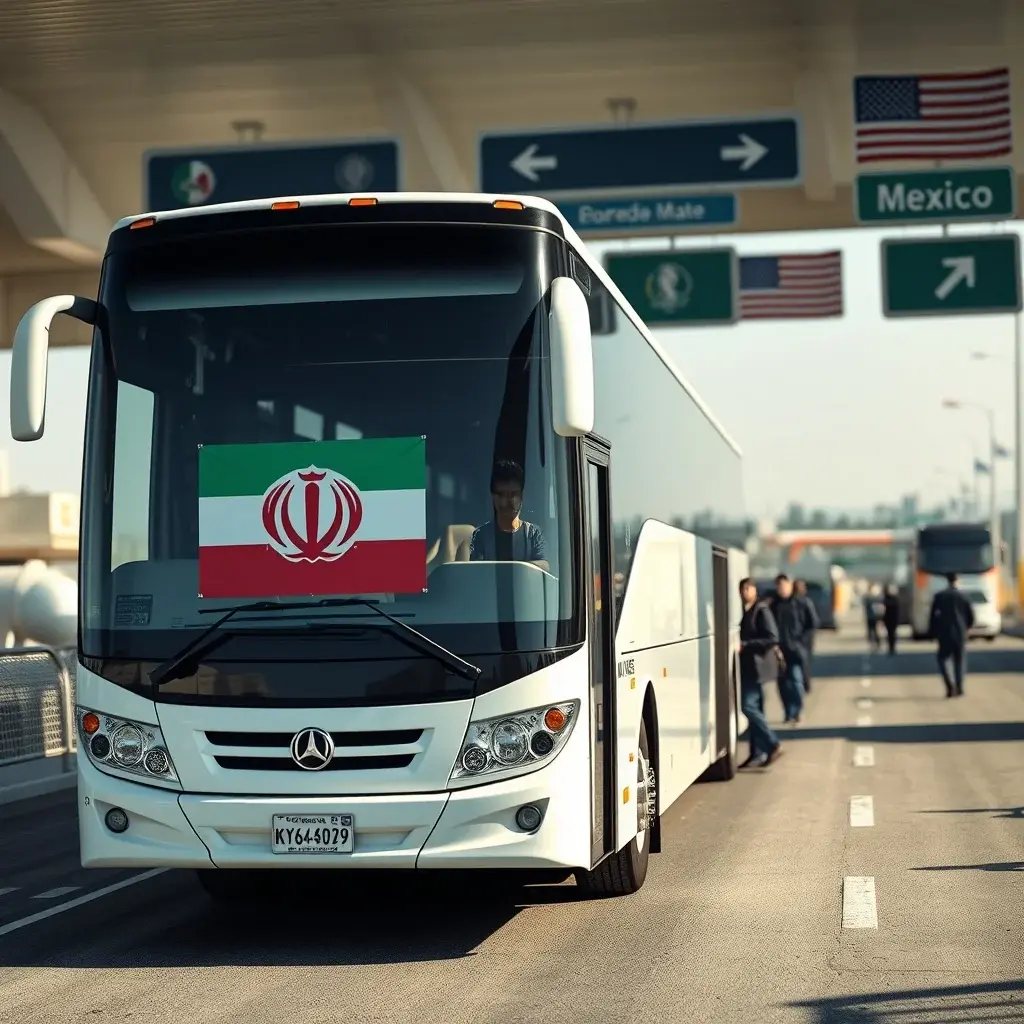
Iran’s national soccer team will shift its World Cup training base from Tucson, Arizona, to Tijuana, Mexico, a move announced Saturday by the president of the Iran Football Federation, Mehdi Taj. This decision effectively resolves a significant logistical and security concern for the team’s participation in the upcoming summer tournament, which is jointly hosted by the United States, Mexico, and Canada.
Context of the Move
The relocation comes after months of heightened geopolitical tensions and a period of conflict between Iran and the United States, which began nearly four months prior to the announcement. The Iranian team was scheduled to play its opening matches in the U.S., including games at SoFi Stadium in Inglewood, California, and in Seattle, Washington. However, concerns about the team’s security in the United States, exacerbated by public statements from U.S. officials, led to doubts about their ability to travel and compete safely.
This World Cup marks a unique situation, being the first instance where a participating nation will play in a host country with which it is in a state of conflict. The initial plan for Iran to use a U.S.-based training facility faced scrutiny following President Trump’s social media comments questioning the appropriateness of Iran’s participation, citing safety concerns.
Federation’s Request and FIFA Approval
Seeking to ensure their team’s safety and streamline logistics, Iranian officials formally requested permission from FIFA and World Cup organizers to change their designated base camp. The request to move from the U.S. to Mexico was reportedly granted following extensive discussions, including meetings in Istanbul and a recent webinar with the FIFA secretary general.
Mehdi Taj stated in a press release obtained by the Associated Press, “All team base camps for the countries participating in the World Cup must be approved [by] FIFA.” He further elaborated that the request was approved after thorough deliberations and compliance with FIFA’s requirements.
Logistical and Visa Implications
A significant advantage of the move to Tijuana is the potential resolution of visa issues for the Iranian delegation. While U.S. government regulations have imposed bans on visas for Iranians, specific exceptions are to be made for athletes and personnel involved in the World Cup. By entering the U.S. through Mexico, the team may face fewer bureaucratic hurdles.
Furthermore, Taj indicated that the team might even be able to utilize Iran Air flights for travel between Mexico and the U.S., suggesting a greater degree of control over their transportation arrangements. Tijuana is strategically located approximately 50 minutes by air from Los Angeles International Airport, making it a more convenient entry point for matches in Southern California compared to the previous base in Tucson, which required a longer flight.
Broader Impact on the Tournament
The relocation highlights the complex interplay between international sports, politics, and security. FIFA’s role in mediating such issues is crucial for maintaining the integrity and inclusivity of the tournament. The organization’s approval of Iran’s request underscores its commitment to ensuring all participating teams can compete under acceptable conditions.
The decision to move the base camp also impacts the fan experience and the economic aspects for the initially designated U.S. location. However, the overarching priority for organizers and participating nations remains the successful and secure execution of the sporting event.
Looking Ahead
As the World Cup draws nearer, attention will remain on how this logistical shift affects Iran’s team performance and preparation. Observers will also be watching for any further developments related to international relations that might impact the tournament. The success of this cross-border base camp arrangement could set a precedent for future international sporting events facing similar geopolitical challenges.










Leave a Reply