
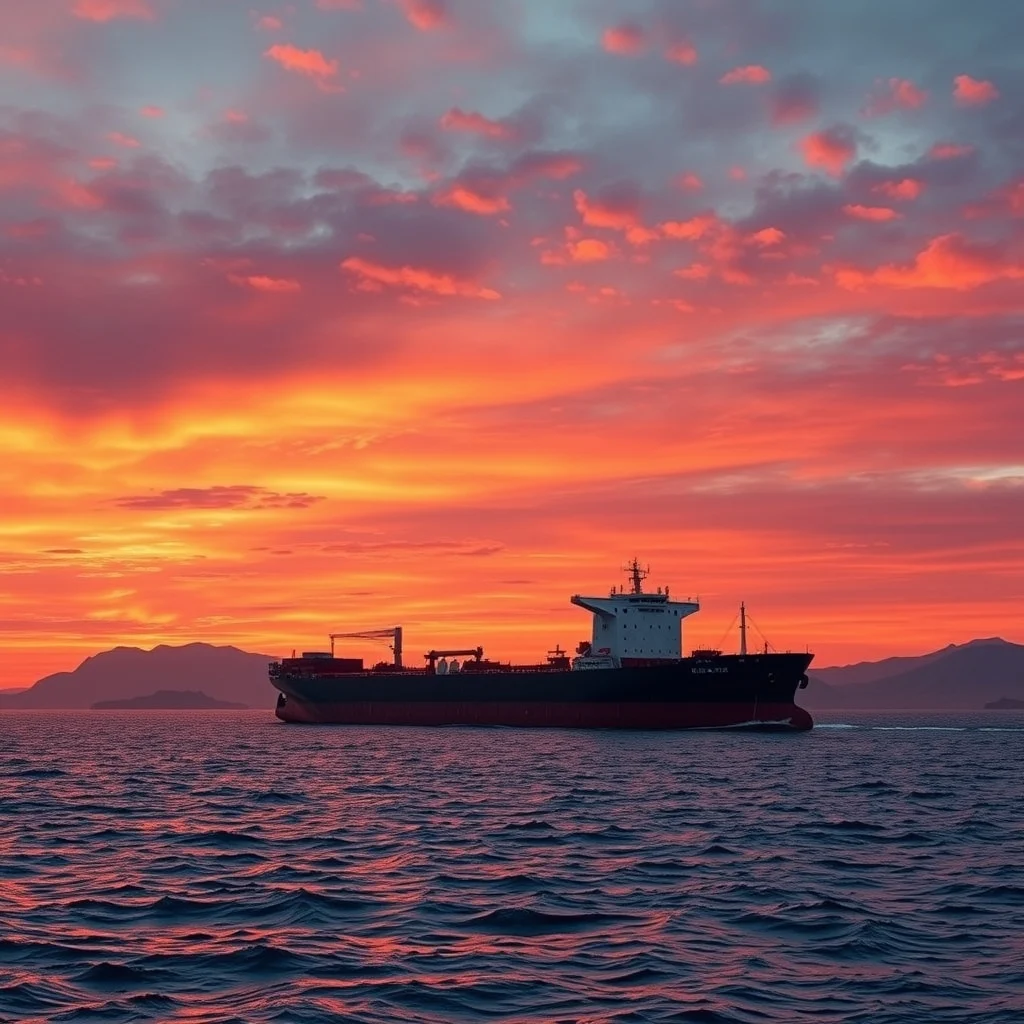
Iraq is offering significant discounts on its Basrah crude oil for May loadings, specifically for vessels departing from terminals located within the Strait of Hormuz. This move by state oil marketer SOMO aims to mitigate the impact of ongoing shipping risks in the vital waterway, which has seen disruptions due to regional conflicts.
Context of the Discounts
The discounts are substantial, with Basrah Medium crude offered at $26 per barrel below its May official selling price (OSP) for early May loadings (May 1-10) and a slightly smaller discount for later loadings (May 11-31). Basrah Heavy crude is also being offered at a $30 per barrel discount.
These sales are on a free-on-board (FOB) basis from terminals like the Basrah Oil Terminal or Single Point Moorings, both situated within the Strait of Hormuz. The OSP itself is determined by the final destination of the oil cargoes.
Mounting Export Pressures
These steep discounts underscore the increasing pressure on Iraqi crude exports. The primary driver is the persistent shipping risk in the Strait of Hormuz, a critical chokepoint for global oil transportation. Any disruption here can significantly impact supply chains and oil prices.
Kpler data reveals that Iraqi crude exports, which averaged 3.33 million barrels per day in 2025, are predominantly destined for Asian markets. This geographical concentration makes the security of the Strait of Hormuz particularly crucial for Iraq’s export revenue.
Impact on Shipping and Trade
The situation has already affected shipping activity. According to Kpler, in April, only two vessels were loaded at Iraq’s Basrah port. One of these vessels successfully navigated through the Strait of Hormuz, while the status of the other remains uncertain regarding its passage through the waterway.
The discounts are a clear signal from SOMO that it is willing to absorb significant costs to maintain export volumes. This strategy aims to keep its crude competitive in the market despite the logistical challenges imposed by the geopolitical climate.
Expert Perspectives
Industry analysts suggest that such deep discounts are a defensive measure to avoid significant build-ups of unsold inventory. “When geopolitical tensions escalate in key shipping lanes, the immediate impact is often seen in pricing for cargoes that must transit these areas,” noted one oil market analyst. “Iraq is using price to incentivize buyers to take on the perceived risk.”
While SOMO did not immediately respond to requests for comment, the move aligns with typical market responses to elevated shipping risks. Producers often have to offer concessions to compensate buyers for increased insurance premiums, longer transit times, or the potential for cargo diversion.
Implications for the Market
For buyers, these discounts present an opportunity to acquire Iraqi crude at a significantly reduced cost. However, they must also factor in the potential risks associated with navigating the Strait of Hormuz. This could lead to a bifurcated market, where buyers willing to accept the risk benefit from lower prices, while those prioritizing safety opt for alternative, potentially more expensive, supply routes.
The long-term implications could include a shift in trade flows if the shipping risks persist. Asian refiners, heavily reliant on Middle Eastern crude, may seek to diversify their supply sources or invest in more robust risk management strategies. The effectiveness of Iraq’s current strategy will depend on the duration and severity of the shipping disruptions in the Strait of Hormuz.
What to watch next will be the volume of crude actually lifted under these discounted terms and whether other producers in the region adopt similar pricing strategies. The market will also be monitoring closely any further escalations or de-escalations of tensions in the Strait of Hormuz, as these will directly influence shipping confidence and crude oil pricing.










Leave a Reply