
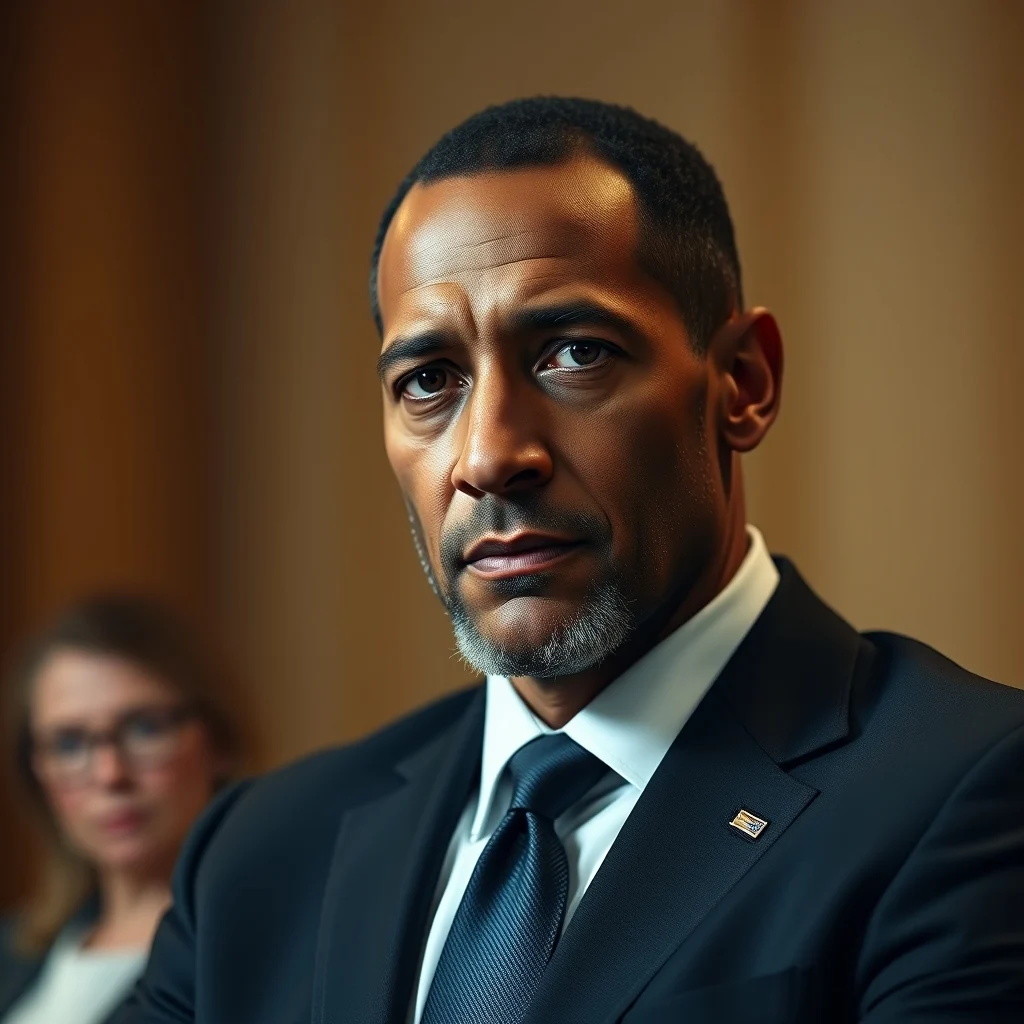
Former NBA player Jason Collins, who made history as the first active male athlete in a major American professional sports league to come out as gay, has died at the age of 47. His family announced his passing, stating he succumbed after a “valiant fight with glioblastoma,” an aggressive form of brain cancer. Collins revealed his diagnosis last year, detailing his ongoing treatment for the inoperable disease.
A Legacy Beyond the Court
NBA Commissioner Adam Silver lauded Collins’s profound impact, noting that his influence extended far beyond basketball. Silver emphasized Collins’s role in fostering a more inclusive and welcoming environment within the NBA, WNBA, and the broader sports community for future generations. He will be remembered not only for breaking barriers but also for his kindness and humanity.
Collins’s battle with glioblastoma began after experiencing difficulties with focus. He described the brain tumor, diagnosed in December 2025, as a “monster with tentacles spreading across the underside of my brain the width of a baseball.” Doctors informed him that without treatment, his prognosis was grim, with an expected survival of only three months.
Courageous Authenticity
In revealing his diagnosis, Collins drew parallels to his decision to publicly come out as gay in a 2013 Sports Illustrated cover story. He stated that the years following his coming out were “the best of my life,” underscoring the importance of living authentically. “Your life is so much better when you just show up as your true self, unafraid to be your true self, in public or private,” he had said.
Collins was undergoing treatment with Avastin to slow the tumor’s growth and had traveled to Singapore for a specialized form of chemotherapy. His courage and openness had previously earned him a spot on Time Magazine’s 100 most influential people list.
NBA Career and Historic Coming Out
A native of California, Collins began his basketball journey at Stanford University before entering the NBA. Over his 13-season career, he played for six different teams, starting with the New Jersey Nets. He retired from professional basketball in 2014.
His landmark coming-out essay in Sports Illustrated in 2013 began with the powerful declaration: “I’m a 34-year-old N.B.A. center. I’m Black and I’m gay.” At the time, he was a free agent, leaving uncertainty about the potential impact on his career. Although significant strides had been made in the gay rights movement by 2013, nationwide legalization of gay marriage would not occur until 2015.
Following his announcement, Collins rejoined the Nets after their relocation to Brooklyn. This move solidified his status as the first openly gay athlete to compete in any of the four major U.S. sports leagues. The Brooklyn Nets expressed their heartbreak at his passing, remembering his significant contributions to the franchise, including playing a vital role in their back-to-back Eastern Conference championship teams in 2002 and 2003. They highlighted his ability to bring people together and his courage in moving the game and the world forward.
A Stanford Great and Inspiring Figure
Former Stanford University basketball coach Mike Montgomery described Collins as one of the school’s “greats,” calling his death a “sad day.” Montgomery recalled Collins’s immense impact at Stanford, noting his ability to compete against any player in the nation due to his size, intelligence, strength, and skill, all while possessing a bright and kind personality.
Understanding Glioblastoma
Glioblastoma (GBM) is an aggressive brain cancer originating in astrocytes, cells that support nerve cells, according to the Mayo Clinic. It is the most common malignant brain tumor in adults and belongs to a group known as gliomas. While it can affect individuals at any age, it is most prevalent in older adults. Symptoms vary based on the tumor’s location and can include seizures, changes in cognitive function, speech, vision, strength, sensation, or balance. Currently, there is no known cure, though treatments can potentially slow tumor progression.
Looking Ahead
Jason Collins’s passing marks the end of an era for many who followed his career and admired his bravery. His legacy as a groundbreaking athlete and advocate for inclusivity will undoubtedly continue to inspire conversations and actions towards greater acceptance in sports and society. The ongoing fight against glioblastoma also remains a critical area for medical research and public awareness, with continued focus on developing more effective treatments and ultimately finding a cure.










Leave a Reply