
Thirty-nine people have been killed in Lebanon following a day of intense Israeli strikes, according to the country’s health ministry. The escalating violence occurred amidst ongoing cross-border exchanges between Israeli forces and Hezbollah, which have intensified since a ceasefire was announced on April 16th. Most Israeli strikes have targeted southern Lebanon, with the military stating its aim is to hit Hezbollah infrastructure and personnel.
Context of Escalating Conflict
The current wave of hostilities follows a period of relative calm after a previous ceasefire in November 2024. However, retaliatory actions, including Hezbollah’s drone and rocket attacks into northern Israel on March 2nd, following an attack on Iran that killed its supreme leader, triggered a significant Israeli response.
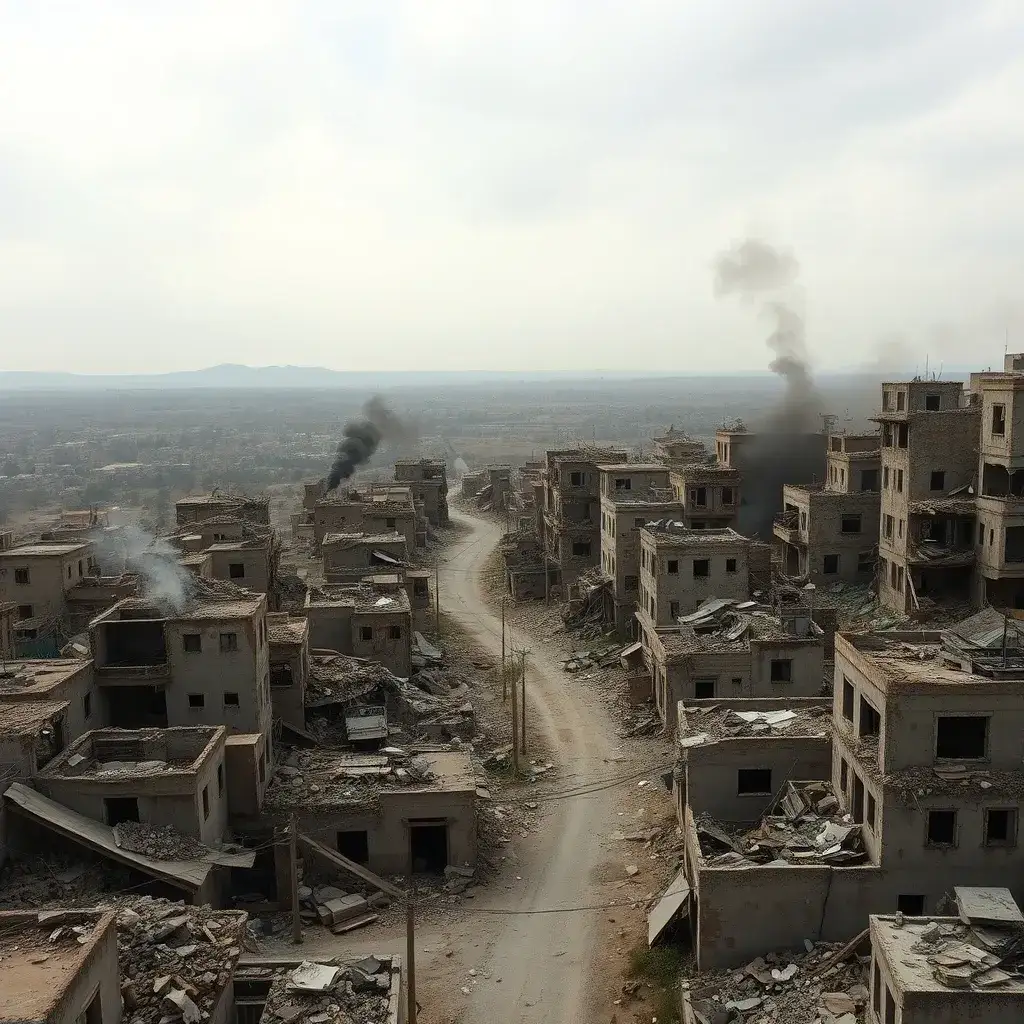
Israel subsequently bombarded Lebanon with air strikes and re-entered southern Lebanon in early March. Israeli forces have since occupied approximately 10 kilometers of Lebanese territory, aiming to establish a buffer zone free from Hezbollah presence. Rights groups have raised concerns about potential war crimes due to the widespread destruction of villages.
Intensified Israeli Strikes and Casualties
Lebanon’s state-run National News Agency reported Israeli strikes across the south on Saturday, including an attack on the town of Saksakiyeh. The health ministry stated this strike killed at least seven people, including a child, and wounded 15, with three children among the injured.
The Israel Defense Forces (IDF) confirmed striking what they described as “Hezbollah terrorists operating from within a structure used for military purposes” in the area. The IDF stated that precautions were taken to minimize civilian harm, including the use of precise munitions and aerial surveillance, and that details of the incident are under review.
In a separate incident reported by the Lebanese health ministry, an Israeli drone strike targeted a motorbike in Nabatieh. The strike killed a Syrian national and his 12-year-old daughter. The ministry detailed that after the initial strike, the father and daughter attempted to move away, only for the drone to attack a second time, killing the father. The drone then reportedly targeted the girl directly for a third time, though she was undergoing life-saving surgery.
Hezbollah Retaliation and Israeli Casualties
Hezbollah has continued to retaliate against Israeli targets. On Saturday, the group launched a drone attack into northern Israel, which the Israeli military reported wounded three soldiers, one seriously. The IDF identified the launch as an “explosive drone launched by the Hezbollah terrorist organisation” near the border.
According to the Lebanese health ministry, Israeli attacks across the country have resulted in over 120 fatalities in the past week, including women and children. The ministry does not differentiate between combatants and civilians in its reported toll.
Israeli authorities, on the other hand, report that 17 soldiers and one civilian have been killed in southern Lebanon. Additionally, two civilians have been killed in northern Israel as a result of cross-border attacks.
Broader Implications and Future Outlook
The sustained cross-border conflict between Israel and Hezbollah carries significant implications for regional stability and the civilian populations on both sides of the border. The destruction of villages in southern Lebanon and the reported civilian casualties raise humanitarian concerns and underscore the devastating impact of the ongoing hostilities.
The IDF’s stated objective of creating a Hezbollah-free security zone highlights a strategic aim that necessitates continued military operations. Conversely, Hezbollah’s continued retaliatory strikes demonstrate its resolve to counter Israeli actions and maintain pressure on northern Israel.
With both sides engaged in a cycle of attack and counter-attack, the situation remains volatile. The efficacy of ongoing diplomatic efforts, particularly the ceasefire announced in April, will be crucial in de-escalating tensions. Observers will be closely watching for any shifts in military strategy, potential humanitarian interventions, and the broader geopolitical ramifications of this protracted conflict in the coming weeks.










Leave a Reply