
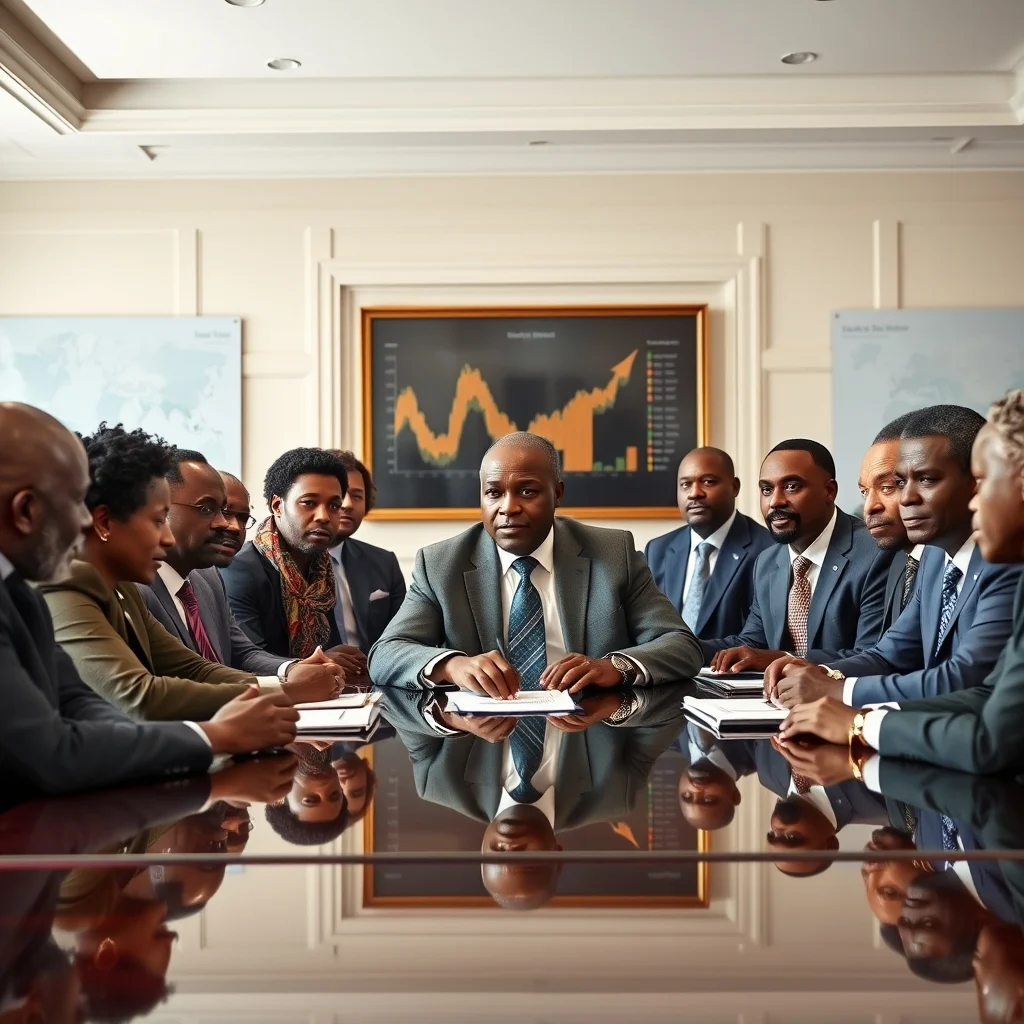
London – Ghanaian President John Mahama asserted on Tuesday that no single African nation can independently manage the escalating geopolitical and economic challenges of the contemporary world, emphasizing that enhanced continental unity is now a critical strategic necessity. Speaking at Chatham House in London, Mahama highlighted that the rapidly shifting global landscape compels African countries to collaborate more closely to safeguard their collective interests and bolster their international standing.
Strategic Imperative for Unity
The President articulated that in the current global environment, isolation is not a viable strategy for any African country, regardless of its size or resource endowment. He stressed that African unity must transcend its status as a mere political aspiration to become an essential strategy for survival and progress.
“African unity is, therefore, no longer simply a political aspiration. Like I said, it’s a strategic imperative,” Mahama stated, underscoring the urgent need for collective action.
Balanced Foreign Partnerships
Mahama acknowledged the continued importance of partnerships with foreign nations but insisted these relationships must be equitable and mutually beneficial. He noted that Ghana actively values its long-standing ties with traditional partners while simultaneously broadening cooperation with emerging economies and new global power centers.
“Ghana believes that partnerships remain indispensable, but they must be increasingly balanced, pragmatic, and mutually beneficial,” he explained. Ghana’s foreign policy, he added, is driven by national interests rather than rigid ideological stances.
“Our foreign policy approach is guided neither by ideological rigidity nor by dependence, but by strategic pragmatism rooted in Ghana’s national interest,” Mahama affirmed.
Navigating a Fragmented World
In an increasingly divided global order, Mahama suggested that countries capable of fostering relationships across diverse geopolitical blocs will be better positioned for success. He believes that building bridges across these divides enhances a nation’s strategic relevance.
Ghana is actively pursuing partnerships aimed at market access, technology transfer, job creation for its youth, industrial development, and overall economic transformation. Concurrently, the nation reaffirms its commitment to international cooperation, peaceful coexistence, and engagement through multilateral institutions.
Shared Responsibility for Global Stability
Mahama also contended that the burden of maintaining global stability should not fall exclusively on the shoulders of major powers. He argued that middle powers and developing nations share a significant responsibility in upholding principles of cooperation, restraint, and international legality.
“The preservation of global stability cannot depend solely on the actions of major powers,” he stated. “Middle powers and developing nations also bear responsibility for upholding the principles of cooperation, restraint, and international legality.”
Domestic Strength as Foundation
The President linked a nation’s international influence directly to the robustness of its domestic institutions and economy. He identified internal resilience as a crucial determinant in navigating the evolving global order.
“Our ability to navigate a changing global order is inextricably linked to the strength of our democratic institutions, economic governance, productive capacity, and human capital,” Mahama elaborated. He specifically highlighted Ghana’s democratic credentials, including constitutional governance, the rule of law, and peaceful power transitions, as fundamental assets for long-term stability and development.
Future Outlook
Looking ahead, the emphasis on strategic pragmatism and balanced partnerships suggests that African nations will increasingly seek to leverage collective strength to assert their interests on the global stage. The focus on domestic resilience implies a continued drive towards strengthening governance and economic capacity as a prerequisite for enhanced international engagement. Observers will watch closely how this push for unity and pragmatic diplomacy shapes Africa’s role in addressing upcoming global challenges and opportunities.










Leave a Reply