
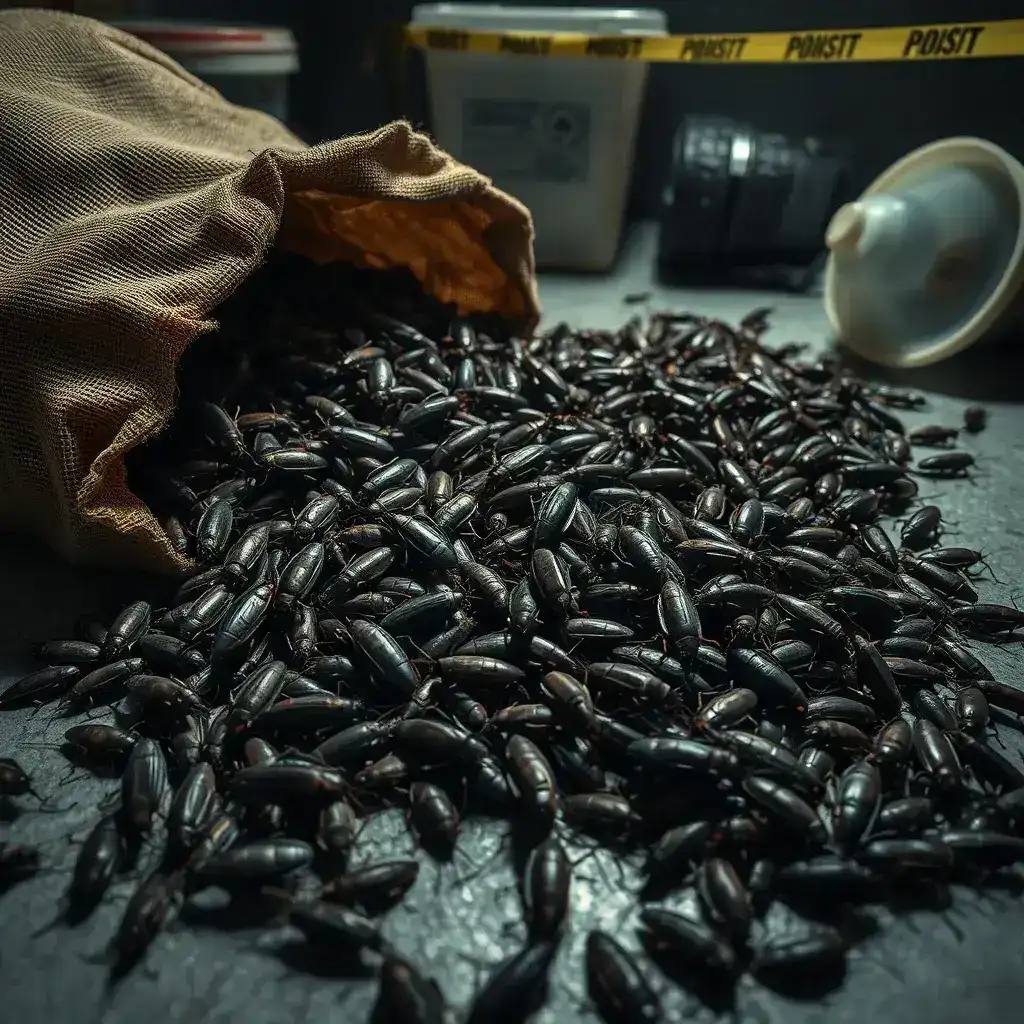
Australian authorities have seized over 100,000 illegal exotic cockroaches, valued at approximately $AU200,000, from a commercial breeder in New South Wales. The operation, which concluded recently, represents the largest seizure of its kind in the country and targeted species like the Madagascar hissing cockroach and dubia cockroach, neither of which are permitted for import, keeping, breeding, or sale in Australia due to biosecurity concerns.
Biosecurity Threat Uncovered
The significant haul was discovered at a breeder’s premises in Bathurst, located 200km west of Sydney. Officials from the Department of Climate Change, Energy, Environment and Water (DCCEEW) led the operation, emphasizing the potential dangers these non-native invertebrates pose.
These exotic species are known to carry diseases and could potentially harm Australia’s native wildlife and agricultural sector if they were to establish a wild population. The seized insects were destined for disposal by authorities.
A Growing Black Market
The illegal trade of exotic cockroaches, particularly for use as feed for pet reptiles, appears to be a growing concern. Authorities are now issuing a stern warning to both pet businesses and individual pet owners involved in the possession, breeding, or trading of these prohibited species.
A spokesperson for the DCCEEW stated, “We’re seeing illegal breeding and trading of exotic cockroaches and we’re putting pet businesses and pet owners on notice.” They further clarified that any individuals found engaging in these activities will face seizure of their insects and potential penalties under federal law.
Seeking Legal Alternatives
Reptile owners who have been relying on dubia roaches as a food source are being advised to transition to legal alternatives. The DCCEEW recommends options such as crickets and native wood roaches, which do not pose the same biosecurity risks.
Madagascar hissing cockroaches, a species notable for its size – some reaching the dimensions of a human palm – and its distinctive hissing sound, were among those confiscated. Their popularity as feeders is attributed partly to their size, making them a potentially more cost-effective option for feeding larger reptiles compared to smaller insects.
Industry and Consumer Impact
Stefanie Lesser, a snake catcher from Bathurst, commented on the situation to the Australian Broadcasting Corporation (ABC), noting that she had observed these illegal invertebrates being advertised and sold online specifically for reptile consumption. She highlighted that their size and potential cost-effectiveness contribute to their appeal among reptile keepers.
This seizure underscores the challenges faced by biosecurity agencies in monitoring and controlling the trade of exotic pets and their associated food sources. The scale of this operation suggests a well-established underground network catering to a specific demand within the pet industry.
Future Outlook
The successful seizure sends a clear message about the enforcement of Australia’s strict biosecurity laws. The focus now shifts to ongoing surveillance of online marketplaces and breeder networks. Consumers and businesses involved in the exotic pet trade should remain vigilant about the legality of the species they are acquiring and selling. The DCCEEW’s warning indicates that authorities will continue to monitor and act against illegal activities, aiming to protect native ecosystems and agriculture from the introduction of invasive species and diseases.










Leave a Reply