
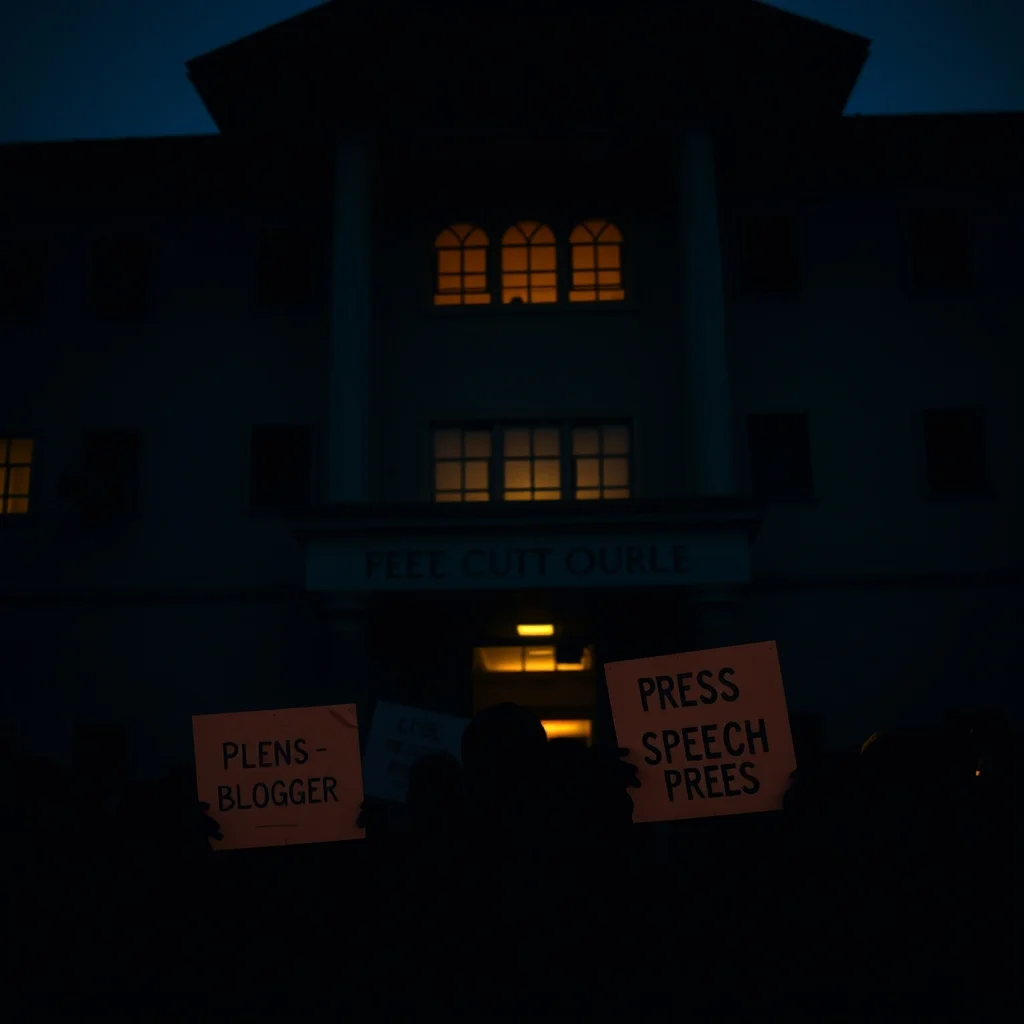
The Media Foundation for West Africa (MFWA) has issued a strong condemnation regarding the escalating use of specific state laws by security agencies to suppress freedom of expression and press freedom in Ghana. The watchdog group released a statement on Thursday, May 21, 2026, highlighting concerns over the tactical application of Section 76 of the Electronic Communications Act, 2008 (Act 775), and Sections 207 and 208 of the Criminal Offences Act, 1960 (Act 29), warning that these actions are leading to the criminalization of speech.
Context of Escalating Legal Action
The MFWA’s concerns stem from a perceived pattern of enforcement that disproportionately targets individuals for their speech. This trend has become particularly pronounced under the current National Democratic Congress (NDC) administration, which assumed office in January 2025.
The foundation’s analysis reveals a significant increase in speech-related detentions compared to previous administrations. Their comparative tracking data indicates that within the first 16 months of the current government, 14 arrests were linked to these specific laws.
In stark contrast, the entire eight-year tenure of the previous New Patriotic Party (NPP) government, led by former President Nana Addo Dankwa Akufo-Addo, saw only eight arrests under the same legal provisions. This disparity, according to the MFWA, points to a disturbing rise in the discriminatory and disproportionate application of these statutes.
Targeting of Speech and Press Freedom
The MFWA specifically identified Section 208 of the Criminal Offences Act and Section 76 of the Electronic Communications Act as frequently employed tools against a broad range of individuals. These include journalists, bloggers, digital content creators, political activists, and ordinary citizens.
The foundation highlighted a notable contradiction between the current enforcement actions and the public statements made by President John Dramani Mahama. While in opposition, President Mahama was a vocal critic of state-sponsored censorship, previously condemning the










Leave a Reply