
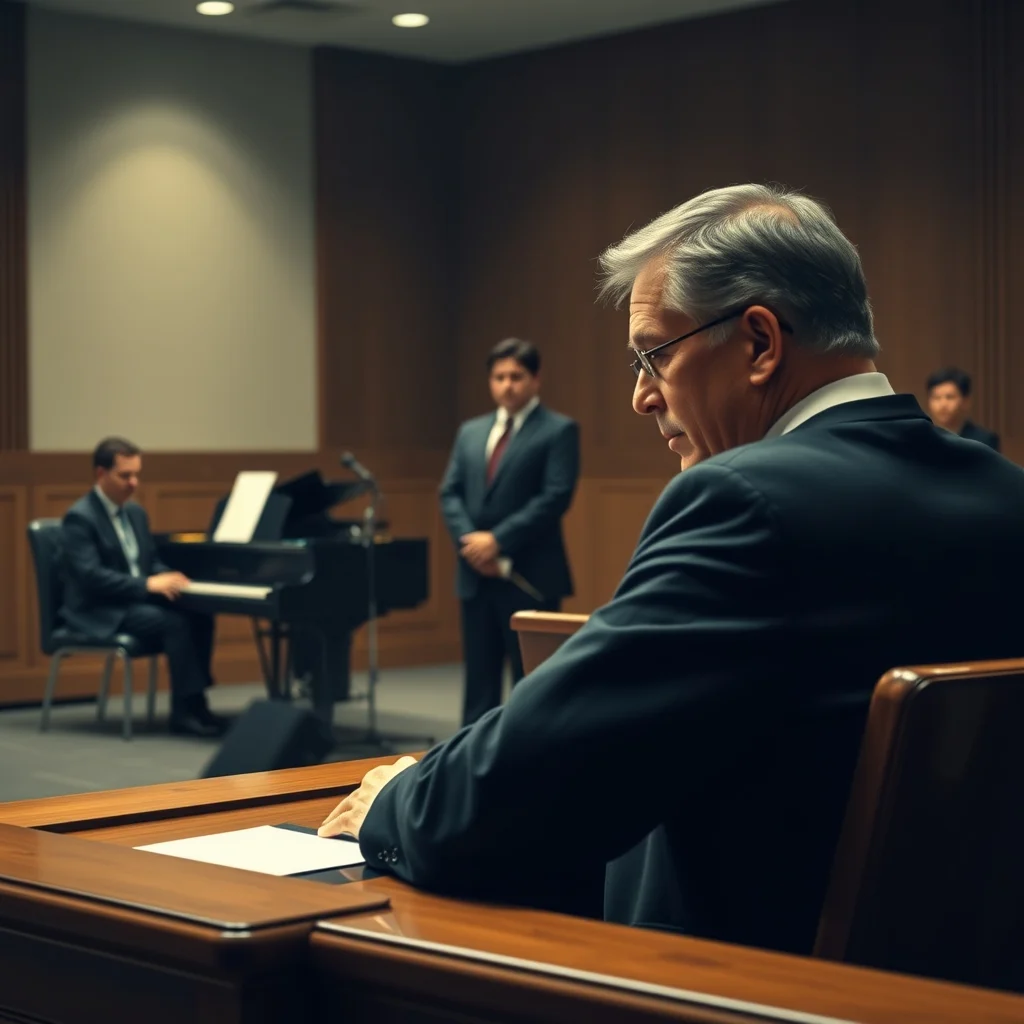
A Melbourne judge has urged the Melbourne Symphony Orchestra (MSO) and acclaimed pianist Jayson Gillham to resolve a workplace discrimination lawsuit stemming from comments made about the conflict in Gaza during a 2024 concert. Justice Graeme Hill, presiding over a three-week trial, suggested the parties explore a negotiated settlement rather than await his judgment, indicating the complexity of the case. The trial has featured testimony from nearly two dozen witnesses, including Gillham and former MSO executives.
Background of the Dispute
The legal action was initiated by Jayson Gillham, who is suing the MSO for workplace discrimination. The dispute arose after the MSO cancelled his scheduled performance on August 15, 2024. This cancellation followed a statement Gillham delivered during a concert on August 11, 2024, in which he stated that Israel had killed over 100 Palestinian journalists in Gaza since the conflict began in October 2023.
During the concert, Gillham reportedly described the deaths of journalists as potential war crimes and an effort to suppress documentation of alleged war crimes. He specifically mentioned that journalists were allegedly targeted while traveling in marked press vehicles or wearing press jackets.
Escalation and MSO’s Response
Gillham’s on-stage remarks prompted three complaints from audience members. In response, the MSO cancelled his subsequent performance. This decision, however, led to a backlash, with nearly 500 patrons lodging complaints. The MSO subsequently cancelled the entire concert citing safety concerns.
The orchestra later acknowledged making an “error” in cancelling the show and expressed attempts to reschedule. However, Gillham filed his lawsuit in late 2024, alleging the MSO had rejected his “reasonable requests to remedy the situation.” An email from the MSO to patrons at the time stated they were “blindsided” by Gillham’s comments and that the orchestra does not “condone the use of our stage as a platform for expressing personal views.”.
Gillham’s Legal Argument
Gillham’s legal team contends that his political speech is a protected workplace right in Victoria. They argue that an employer cannot discriminate against an employee based on their political beliefs. Gillham testified that following the cancellation and public outcry, the MSO had offered him a return performance, but only on the condition that he refrain from making any further statements on stage.
During her closing statements, Gillham’s barrister, Sheryn Omeri, characterized the MSO’s actions as “insulting.” She highlighted the contrast between cancelling his show and then attempting to re-engage him under strict censorship.
MSO’s Defense
Representing the MSO, barrister Justin Bourke KC described the situation as “highly pressured.” He emphasized that Gillham’s statement was made in a public forum concerning a globally significant and controversial issue. Bourke argued that the MSO was placed in a difficult position due to the controversial nature of the comments made during a performance.
Data and Expert Context
The Committee to Protect Journalists, an independent organization monitoring press freedom, reports that as of its latest update, 206 journalists have been killed in Gaza since the conflict began in October 2023. This figure underscores the sensitive and significant nature of the topic discussed by Gillham.
Implications and Future Outlook
Justice Hill’s suggestion for an out-of-court settlement reflects the complexities of balancing an artist’s right to free expression with an organization’s responsibility to manage its public platform and ensure a safe environment for all. The case raises critical questions about artistic freedom, workplace conduct, and the boundaries of political expression in the arts sector. The outcome, whether through settlement or judgment, could set precedents for how cultural institutions handle controversial statements by their performers and staff in politically charged times. Attention will now turn to whether Gillham and the MSO can find common ground, or if the judge will ultimately render a decision that could have far-reaching implications for artists and employers alike.







Leave a Reply