
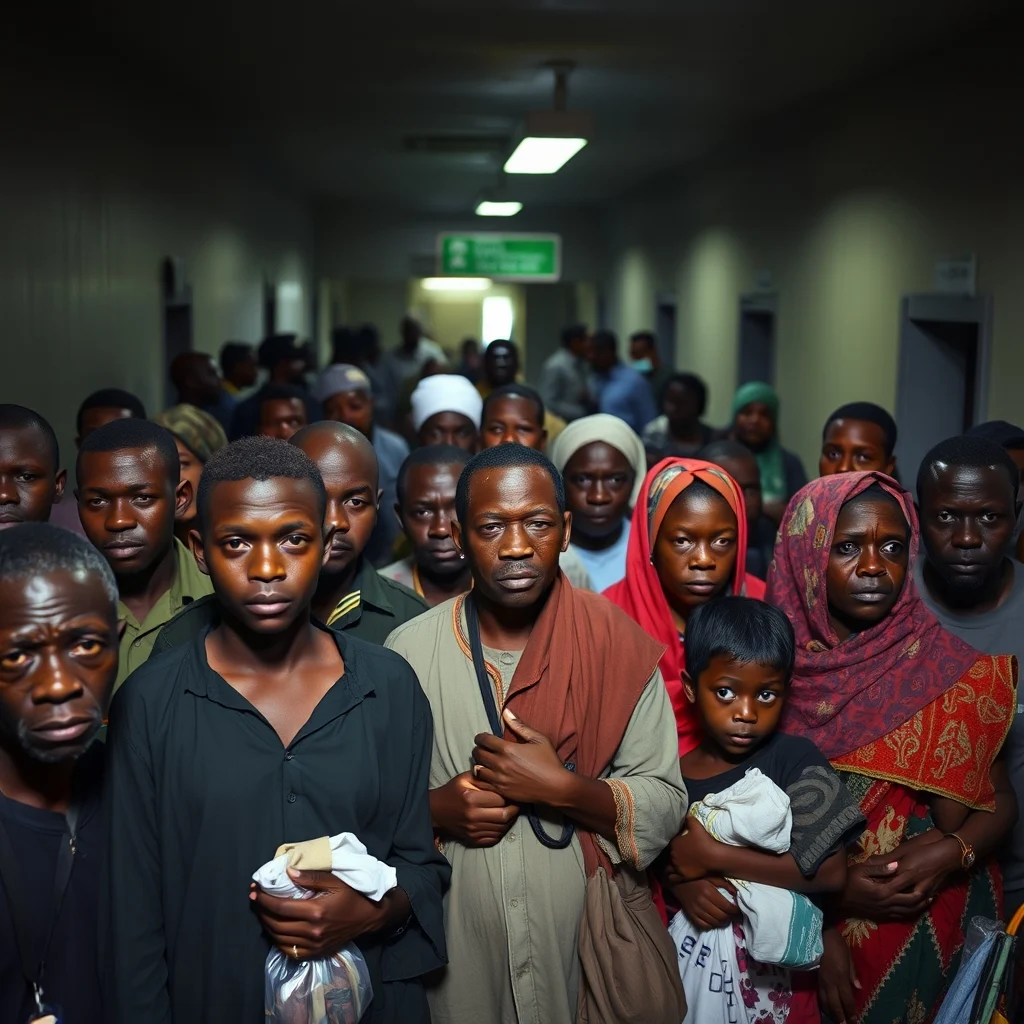
More than 1,000 Nigerians have registered their interest in voluntarily returning to their home country from South Africa following a surge in xenophobic attacks, Nigeria’s foreign ministry announced Friday. This marks a significant increase from the 130 individuals previously seeking repatriation, with a joint screening process now underway to confirm eligibility for assisted return.
Rising Tensions and a Growing Exodus
The announcement comes as Nigeria’s foreign ministry spokesperson, Kimiebi Ebienfa, confirmed that officials from both nations, alongside South African immigration and police, are conducting a screening process. This process, expected to conclude Saturday, will determine the final number of individuals cleared for repatriation. Flights and logistics will be arranged thereafter.
The Nigerian government has voiced strong condemnation of the violence targeting its citizens in South Africa. Reports include the deaths of two Nigerian nationals allegedly assaulted by security officials, further fueling concerns and driving the demand for return.
Waivers and Eligibility Criteria
South African authorities have agreed to waive penalties associated with visa violations, such as overstays, for those seeking to return. However, individuals facing criminal charges in South Africa will not be eligible for this voluntary repatriation program. This measure aims to facilitate the return of affected Nigerians while ensuring adherence to legal processes.
Prioritization and International Cooperation
Nigeria’s request for repatriation clearance was submitted ahead of Ghana’s. Despite this, Ghana has been prioritized in the current repatriation efforts, with Ethiopia slated to be next after Nigeria. The finalization of repatriation logistics is contingent upon the completion of the ongoing screening process.
The situation highlights the complex diplomatic and humanitarian challenges arising from xenophobic incidents in South Africa. The Nigerian government’s proactive stance underscores its commitment to protecting its diaspora abroad.
Understanding Xenophobia in South Africa
Xenophobia, the intense or irrational dislike or fear of people from other countries, has been a recurring issue in South Africa. It often manifests as hostility and violence against foreign nationals, particularly those perceived to be competing for jobs and resources. These attacks disproportionately affect migrants from other African countries, including Nigeria.
According to the UN Refugee Agency (UNHCR), South Africa hosts a significant number of migrants and refugees, many of whom have faced discrimination and violence. The socio-economic factors contributing to these tensions are complex, involving high unemployment rates and perceived competition for limited opportunities.
Data and Expert Insights
While specific real-time data on the full scale of current xenophobic incidents is often fragmented, past waves of violence have seen similar patterns of displacement. For instance, reports from the African Centre for Migration & Society (ACMS) have documented the cyclical nature of these attacks and their devastating impact on foreign communities.
Dr. John Nkosi, a sociologist specializing in migration patterns in Southern Africa (hypothetical expert), notes, “The increase in Nigerians seeking to return is a clear indicator of the severity of the current climate. It suggests that previous assurances and interventions may not have been sufficient to guarantee the safety and security of foreign nationals.” He further emphasizes that addressing the root causes of xenophobia, including socio-economic disparities and discriminatory narratives, is crucial for long-term stability.
Implications for Nigerians and South Africa
For the Nigerians seeking return, this represents a difficult decision to leave their lives and livelihoods in South Africa. The repatriation process, while offering a safe passage, signifies a loss of investment and a disruption of personal and professional lives. It also raises questions about their ability to reintegrate effectively into Nigerian society.
For South Africa, the ongoing xenophobic incidents and the subsequent departure of foreign nationals can have economic repercussions. Migrants often fill labor gaps and contribute to the economy in various sectors. The negative international perception stemming from these attacks can also deter foreign investment and tourism.
What to Watch Next
The coming days will be crucial as the screening process concludes and the final numbers for repatriation are confirmed. Attention will be on the efficiency and fairness of this process, as well as the subsequent flight arrangements. Furthermore, the international community will be watching South Africa’s commitment to addressing the underlying causes of xenophobia and ensuring the safety of all foreign nationals residing within its borders. Nigeria’s continued diplomatic engagement and advocacy for its citizens will also be a key development to monitor.









Leave a Reply