
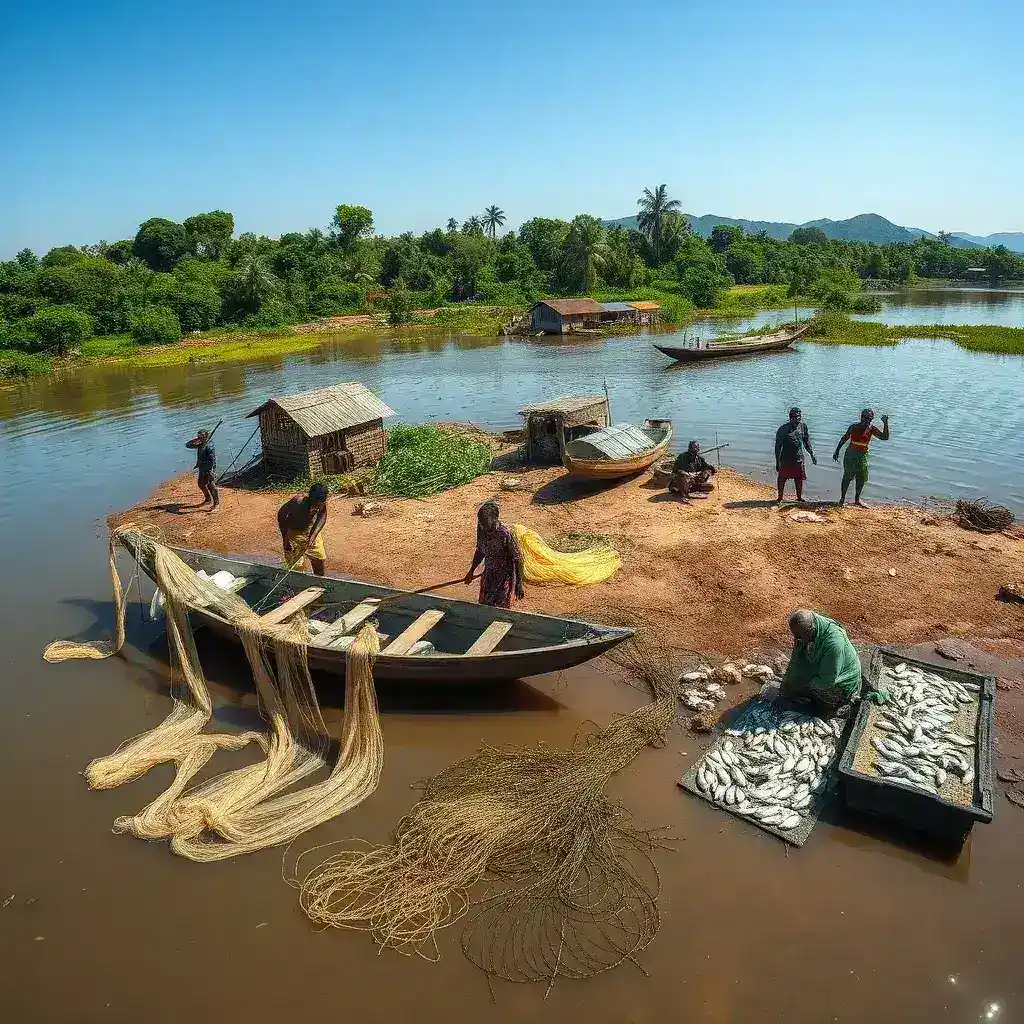
Minister for Fisheries and Aquaculture, Emelia Arthur, commenced a six-day working tour of inland fishing communities across Ghana on Wednesday, May 6, 2026. The tour, announced by her office, aims to strengthen stakeholder engagement, assess critical infrastructure, and gather firsthand information on the challenges facing the inland fisheries subsector, with insights intended to inform an upcoming national conference.
Context: The Unseen Backbone of Ghana’s Fisheries
Ghana’s fisheries sector is often dominated by discussions of its vibrant marine industry. However, inland fisheries, encompassing rivers, lakes, and dams, form a crucial component of the nation’s food security and economy. Artisanal fishers operating in these inland waters face unique challenges, including environmental degradation, fluctuating water levels, and limited access to modern fishing technologies and post-harvest facilities.
For years, stakeholders have advocated for policies that specifically address the realities of these inland communities. Unlike their marine counterparts, inland fishers often operate with fewer resources and less visibility, leading to calls for greater attention and tailored support from the government.
Ministerial Engagement and Assessment
The Minister’s itinerary includes visits to selected communities in the Greater Accra, Volta, Oti, Bono East, Savanna, and Ashanti Regions. This extensive geographical scope highlights the widespread nature of inland fishing activities and the diverse challenges faced across different ecological zones.
During the tour, Minister Arthur is scheduled to engage directly with fishers, listening to their concerns and experiences. A key aspect of the tour involves inspecting existing infrastructure, such as landing sites, processing facilities, and storage areas. This hands-on assessment will provide a clear picture of the current state of facilities and identify areas requiring immediate attention or investment.
A strategic planning session is also slated for Techiman in the Bono East Region. This session is expected to synthesize the information gathered from community interactions and infrastructure assessments, laying the groundwork for actionable strategies.
Addressing Declining Fish Stocks and Post-Harvest Losses
The tour is notably taking place against a backdrop of mounting concerns over declining fish stocks in Ghana’s inland water bodies. Environmental factors, including pollution and climate change impacts, are believed to be significant contributors to this trend. Additionally, challenges related to post-harvest losses, where a substantial portion of the catch is lost before reaching the market due to inadequate storage and processing, continue to plague the sector.
By gathering direct feedback, the Ministry aims to develop policies that are not only informed by scientific data but also grounded in the lived realities of the people who depend on inland fisheries for their livelihoods. This approach is intended to ensure that interventions are relevant, effective, and sustainable.
Informing Policy and Future Conferences
The insights gleaned from this working tour are crucial for the upcoming Inland Fisheries Conference. The conference is envisioned as a platform for broader discussions and decision-making regarding the future of inland fisheries management in Ghana.










Leave a Reply