
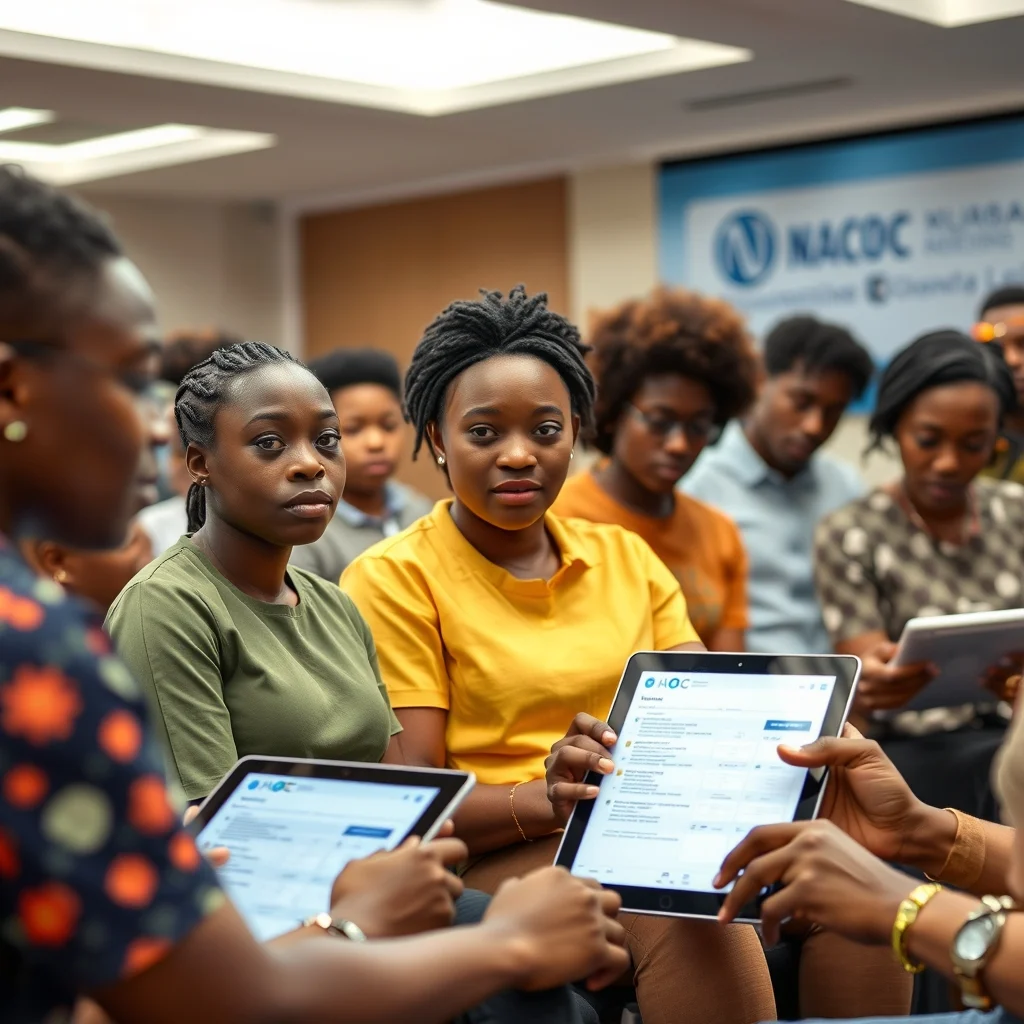
The Narcotics Control Commission (NACOC), in partnership with the Research and Consultancy Centre (RCC) of the University of Professional Studies, Accra (UPSA), has initiated a comprehensive training program for enumerators and supervisors. This training precedes a vital baseline study focused on substance use among young individuals aged 15 to 35 within the La Nkwantanang-Madina Municipality of the Greater Accra Region. The study aims to collect robust data essential for developing effective prevention, referral, and rehabilitation strategies.
Context of the Study
Substance abuse among youth remains a significant public health concern globally and in Ghana. Reliable data on the prevalence and patterns of use is fundamental for crafting targeted interventions. Previous efforts have often relied on anecdotal evidence or less comprehensive data, hindering the precision and impact of prevention and treatment programs. This study by NACOC and UPSA seeks to fill that data gap.
Training and Data Collection
The training session, attended by over 30 enumerators and six supervisors, was a precursor to a three-day intensive field data collection exercise. PNCO Sylvester Koomson, Director of Research and Policy Planning at NACOC, emphasized the commission’s commitment to this initiative, highlighting it as part of broader national strategies to combat substance abuse and enhance evidence-based interventions.
He commended the UPSA Research and Consultancy Centre for their collaboration, noting that this partnership underscores a shared dedication to addressing substance abuse through rigorous research, public awareness campaigns, and informed policy development. The training signifies a crucial step in NACOC’s data-driven approach to tackling youth substance abuse.
Expert Insights and Methodology
Dr. Siddique Abdul-Samad from the UPSA Research and Consultancy Centre underscored the critical importance of the study and the pivotal role of the enumerators. He stressed that the credibility of the entire research hinges on their professionalism and diligence in data collection.
Participants received training on administering survey tools with utmost professionalism, adhering strictly to field protocols, and maintaining consistent progress updates. Dr. Abdul-Samad urged the trainees to approach their assignment with integrity and a profound sense of responsibility, emphasizing that the quality of the collected data will directly influence the utility of the study’s findings.
The training also incorporated practical sessions on utilizing digital data collection tools, specifically KoboToolbox. This ensures efficiency, accuracy, and real-time data management during the fieldwork. Trainees were thoroughly familiarized with the study questionnaire to guarantee consistency and reliability across all responses.
Scope of the Baseline Study
The baseline study will systematically gather information across five key areas within the municipality: Madina, Teiman, Oyarifa, West Adentan, and Pantang. The data collection will cover a wide spectrum of substances, including alcohol, tobacco, shisha, marijuana, tramadol, codeine, cocaine, heroin, and inhalants. This comprehensive approach ensures a thorough understanding of the diverse substance use landscape among the target demographic.
Implications and Future Outlook
The findings generated from this baseline study are poised to significantly influence the design of future programs and bolster existing interventions aimed at preventing substance abuse, facilitating treatment, and supporting rehabilitation for young people. By providing concrete, evidence-based insights, the study will empower NACOC and its partners to allocate resources more effectively and implement more impactful strategies. The success of this data collection exercise will pave the way for similar studies in other regions, strengthening Ghana’s national response to youth substance abuse.










Leave a Reply