
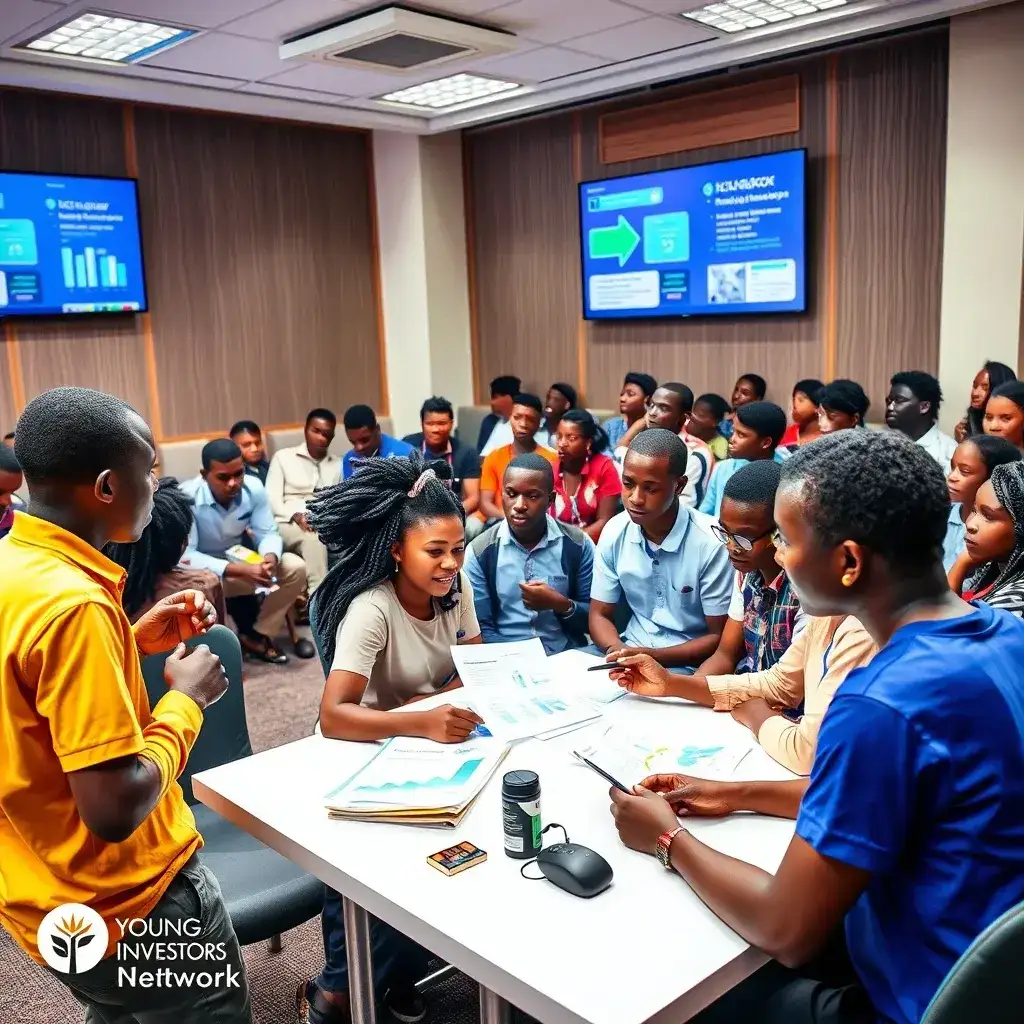
Accra, Ghana – The Young Investors Network (YIN), in collaboration with the Ghana Stock Exchange (GSE), Central Securities Depository (CSD), and other key institutional partners, officially launched the National Youth Investment & Financial Literacy Programme and Training this week. This significant national initiative aims to bolster financial literacy, investment education, entrepreneurship, and economic empowerment among Ghanaian youth, fostering a generation capable of informed financial decision-making and active economic participation.
Developing Financially Informed and Investment-Conscious Youth
The programme is meticulously designed to introduce students to practical financial concepts, investment avenues, and entrepreneurial development within Ghana’s financial landscape. A cornerstone of the initiative is the launch of the National Investment Quiz Competition for Senior High Schools, an academic platform intended to sharpen students’ analytical and problem-solving skills in finance and investment.
Comprehensive training sessions, led by seasoned industry professionals and financial institutions, provided participants with actionable insights. Topics covered included personal finance management, savings strategies, investment planning, entrepreneurship fundamentals, pension awareness, and long-term wealth creation.
Furthermore, the National Stock Pitch Competition challenged students to hone their research, presentation, and investment analysis capabilities, simulating real-world investment decision-making processes.
Emphasis on Personal Responsibility and Financial Discipline
Youth development advocate Paul Kofi Mante underscored the importance of personal responsibility and discipline in achieving financial success. He urged participants to overcome barriers like procrastination and blame, encouraging them to take proactive control of their financial futures through consistent action and responsible behavior.
Mante emphasized that financial independence is largely a product of personal choices, discipline, and a commitment to self-development. The program strongly advocated for early, long-term financial planning and the cultivation of disciplined savings habits from a young age to ensure future financial security.
The growing significance of pension planning in light of increasing life expectancies and evolving economic conditions was also a key focus. Participants were advised to prioritize financial stability and sustainable wealth-building over excessive lifestyle pressures.
Addressing Ghana’s Financial Literacy Gap
Dr. Benjamin Amoah of the University of Ghana Business School highlighted the critical need to enhance financial literacy across Ghana, noting that a substantial portion of the working population lacks sufficient financial knowledge. This deficit limits their engagement with formal financial systems and investment opportunities.
Improving financial literacy, he stated, is crucial for individual well-being and for driving national economic growth, increasing investment participation, and promoting broader financial inclusion. Dr. Amoah stressed the collective responsibility of schools, families, and institutions in supporting youth-focused financial education.
Deepening Understanding of Financial Markets and Investment Opportunities
The programme offered practical education on crucial financial concepts such as inflation, investment strategies, and the workings of money and capital markets. Speakers explained how inflation erodes purchasing power and highlighted the necessity of investing to preserve and grow wealth.
Participants were introduced to various investment products available in Ghana, including treasury bills, government bonds, and equities. Industry experts also discussed the benefits of diversified investment portfolios, combining short-term and long-term strategies for sustainable financial returns.
Ghana Stock Exchange Reaffirms Commitment to Financial Literacy
Jerry Boachie Danquah, Head of Marketing at the Ghana Stock Exchange, detailed the GSE’s extensive financial literacy and youth investment education initiatives. Over the past three years, these programs have reached over 330,000 students in more than 400 senior high and tertiary institutions nationwide.
Danquah also mentioned the GSE Academy Accelerator Programme, which aids SMEs in their growth and potential listing on the Exchange. He reiterated that fostering financial literacy and investment awareness among the youth is vital for cultivating a robust investment culture and increasing participation in Ghana’s capital market.
Encouraging Early Investment and Wealth Creation
A consistent message throughout the programme was the encouragement for young people to start investing early, irrespective of their current financial standing. Practical examples illustrated how small, consistent investments can yield significant long-term financial benefits through capital appreciation and dividends.
The emphasis was on building sustainable wealth gradually through disciplined financial habits, informed choices, and a long-term investment commitment.
Strengthening Partnerships for Youth Empowerment
The event underscored the power of collaboration between educational bodies, financial institutions, development organizations, and policymakers in advancing financial literacy and youth empowerment. Organizers acknowledged the vital contributions of strategic partners in expanding access to financial education and investment opportunities for young Ghanaians.
The National Youth Investment & Financial Literacy Programme concluded with a strong call for greater investment in youth financial education, entrepreneurship, and responsible financial practices. Organizers highlighted financial literacy as a national development priority essential for economic inclusion, entrepreneurial growth, poverty reduction, and sustained national prosperity.
YIN, GSE, CSD, and their partner institutions have reaffirmed their dedication to cultivating a financially empowered generation, equipping them with the knowledge, skills, and confidence to navigate financial decisions and contribute significantly to Ghana’s economic transformation.










Leave a Reply