
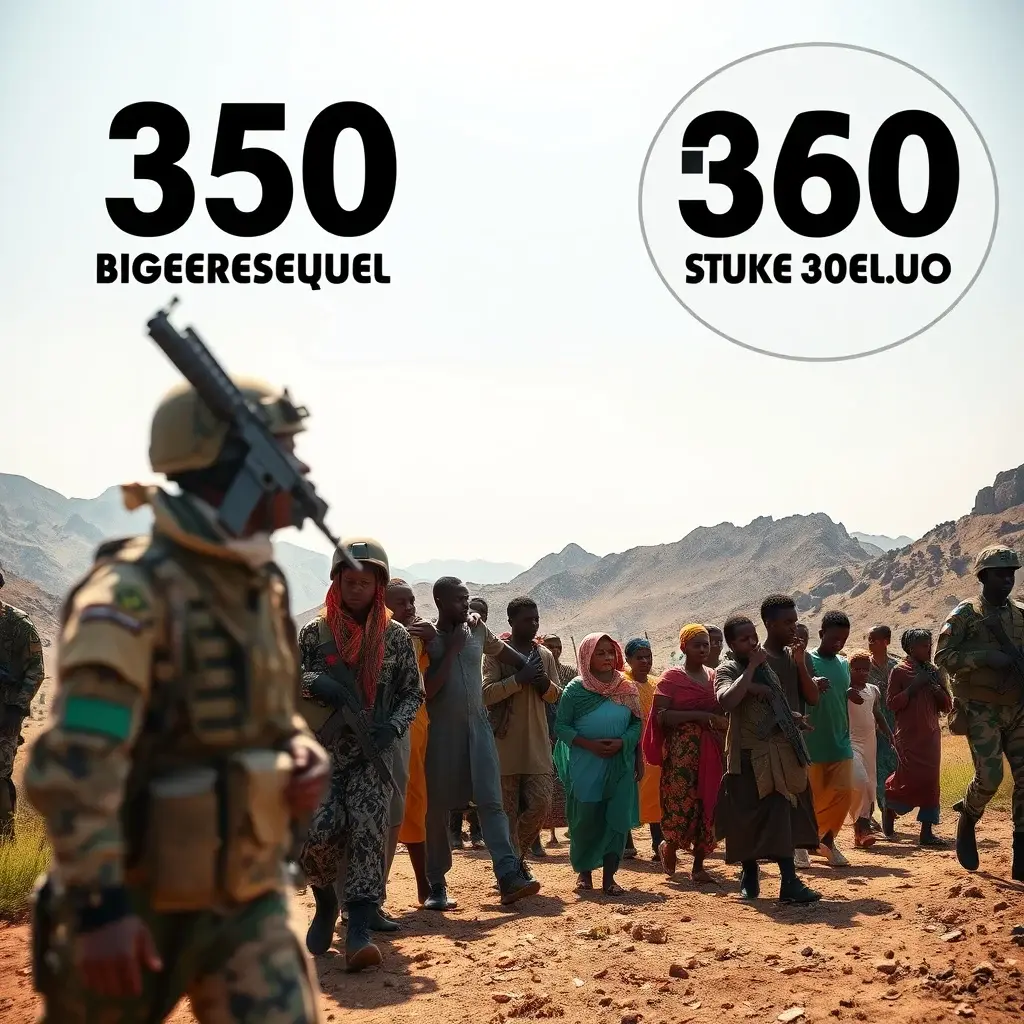
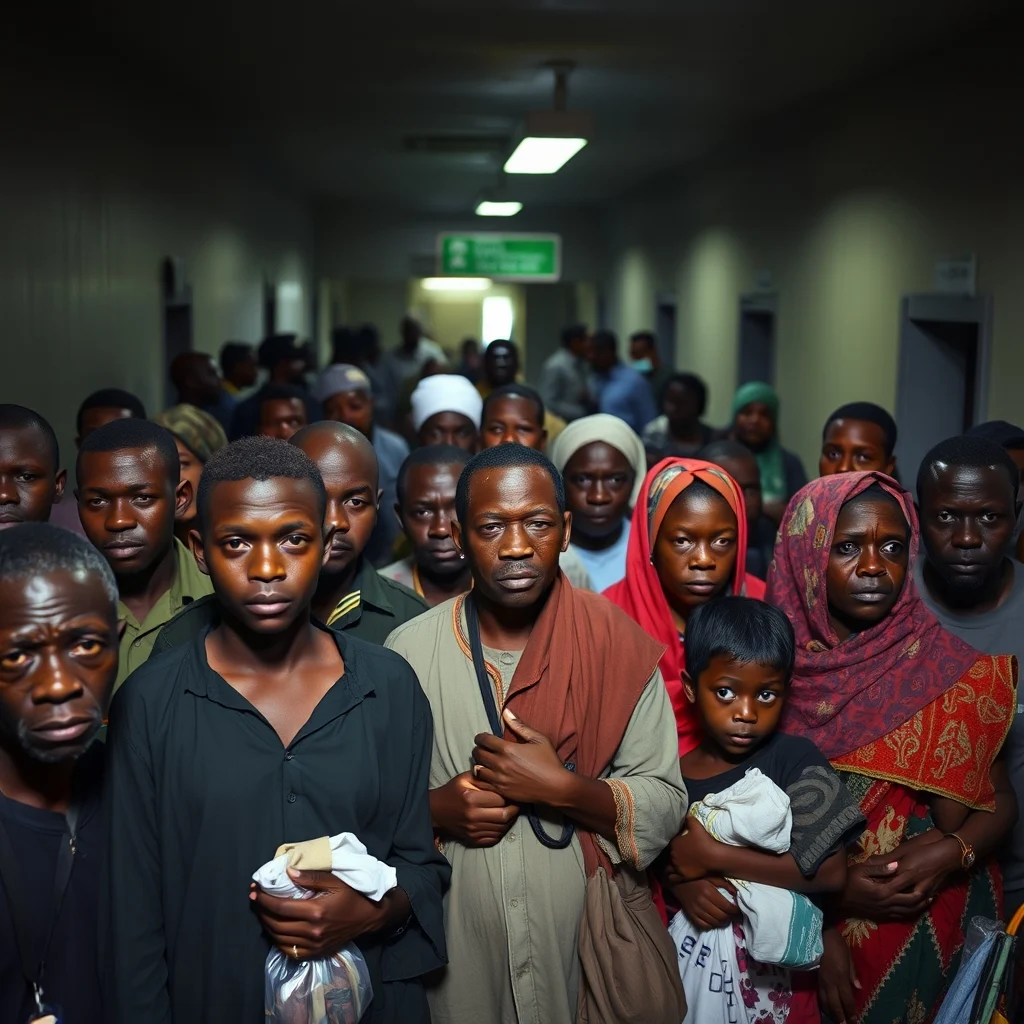
Nigerian security forces have successfully freed 360 individuals, including men, women, and children, who were held captive by kidnappers in a mountain hideout in Borno State. The operation, which concluded on Sunday, was reportedly initiated following an intelligence-led mission by the military.
Context of Insecurity in Nigeria
The West African nation has been grappling with pervasive insecurity for years. This challenge manifests in various forms, including farmer-herder conflicts in the central regions, widespread kidnapping by criminal gangs, and the persistent threat of Islamist militants and community defense militias operating across the northern states.
Details of the Rescue Operation
The abductees were held by Jama’atu Ahlis Sunna Lidda’awati wal-Jihad (JAS), the official Arabic name for the main faction of Boko Haram. They were found deep within the Mandara Mountains, located in the southern part of Borno State. The military stated that the hostages had been captured from various communities in the region over an unspecified period.
The joint task force involved in the rescue operation included special forces. Their presence and actions reportedly compelled the JAS fighters to abandon their positions, leading to the liberation of the hostages. The military confirmed that two children died during their captivity due to exhaustion and the harsh environmental conditions of their confinement.
Broader Implications for Nigeria
The persistent problem of widespread kidnappings and the expanding reach of armed groups across Nigeria, Africa’s most populous country, are expected to be significant issues. These security concerns are likely to play a crucial role in the lead-up to the presidential election scheduled for January.
Expert Perspectives and Data
While specific expert commentary on this particular rescue was not detailed in the initial report, the ongoing security challenges have been a subject of extensive analysis by security experts and international organizations. Reports from organizations like the United Nations Office for the Coordination of Humanitarian Affairs (OCHA) have consistently highlighted the severe humanitarian impact of the conflict in the northeast, including displacement and the vulnerability of civilian populations to abduction.
The Nigerian military’s ability to conduct such operations underscores its evolving capabilities, though the persistent nature of these threats indicates the scale of the challenge. The government’s strategies often involve a combination of military action, intelligence gathering, and efforts towards de-radicalization and rehabilitation, though their effectiveness remains a topic of ongoing debate.
Impact on Communities and Future Outlook
The rescue offers a moment of relief for the affected families and communities, but it also highlights the deep-seated nature of the insurgency and banditry plaguing the region. The liberation of 360 individuals is a significant achievement, yet it is overshadowed by the fact that such large-scale abductions continue to occur.
Looking ahead, the success of this operation may bolster confidence in the military’s counter-terrorism efforts. However, the underlying issues that fuel these groups, such as poverty, lack of opportunity, and governance challenges, must be addressed to achieve lasting peace. The upcoming election will likely see candidates presenting their plans to tackle insecurity, and the public will be watching closely for credible and sustainable solutions.
The focus will remain on whether the military can sustain these gains and expand its operations to other affected areas. Furthermore, the long-term reintegration of rescued hostages and the rehabilitation of communities traumatized by these events will be critical components of the path toward stability in Borno and other parts of northern Nigeria.








Leave a Reply