
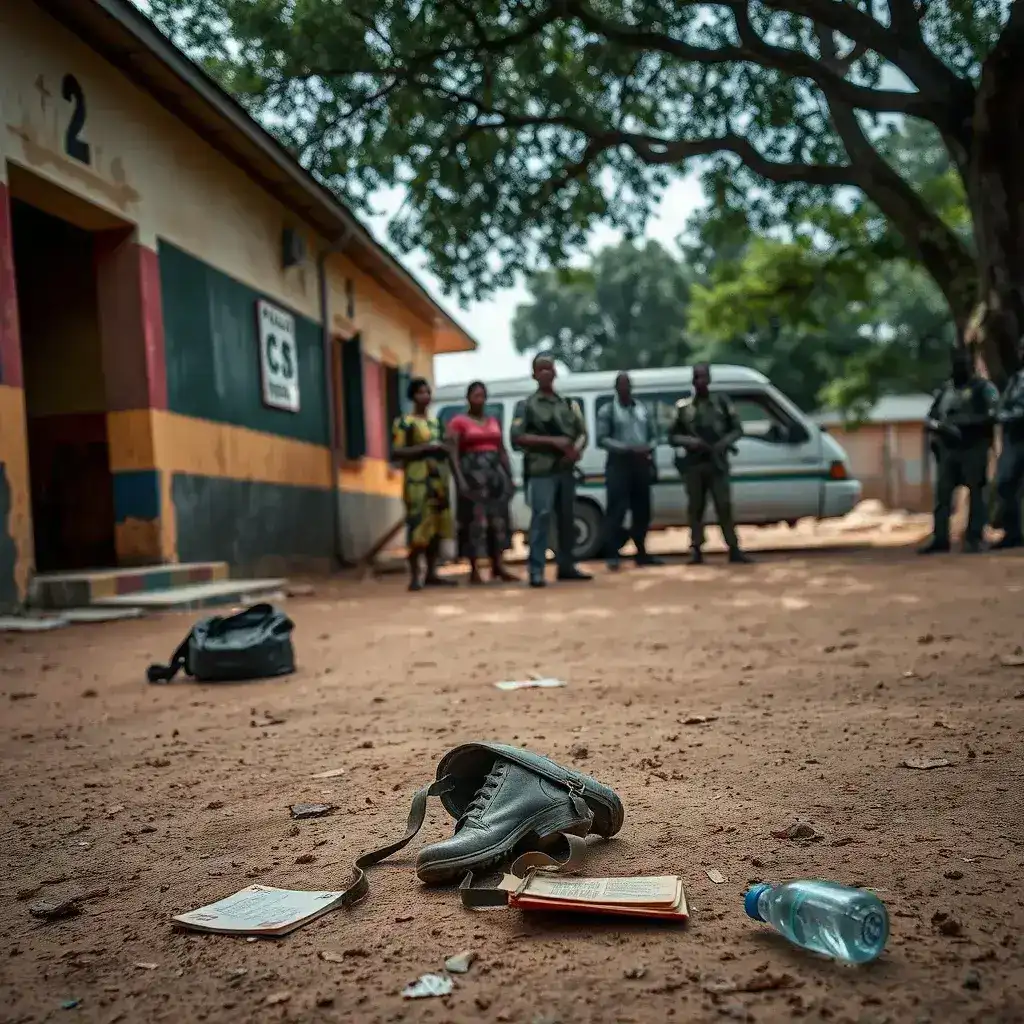
In a concerning development for Nigeria, a series of coordinated school kidnappings on May 15th in Oyo state, southwest Nigeria, has shattered the region’s perceived safety. The abductions, which saw over 30 students and a teacher seized from multiple schools near Yawota, signal a potentially dangerous expansion of kidnapping-for-ransom gangs beyond their traditional northern strongholds, intensifying fears for national security ahead of the 2027 elections.
Expanding Crisis Beyond Hotspots
The mid-morning raid on Baptist Nursery and Primary School, where masked gunmen in military fatigues opened fire and abducted young students, has left parents like Aduke Balogun in agonizing uncertainty. Her six-year-old daughter escaped, but her eight-year-old Kausarat was among those taken into the bush.
Similar attacks occurred simultaneously at LA Primary School and Community High School in Ahoro-Esinele. At LA Primary, a teacher was fatally shot while attempting to flee, and at Community High, six teachers and seven students were also kidnapped. Videos allegedly showing the beheading of one of the abducted teachers have circulated online, though Reuters could not verify their authenticity.
These incidents in Oyo, located roughly 300 km northeast of Lagos, have jolted a region previously considered less volatile than the north and Middle Belt, areas long plagued by herder-farmer conflicts, banditry, and Islamist insurgencies.
Escalating Security Concerns and Political Ramifications
“The Oyo abductions mark a dangerous escalation from a crisis once largely confined to Nigeria’s north and Middle Belt into the southwest,” stated Cheta Nwanze, partner at security consultancy SBM Intelligence. This expansion fuels concerns that criminal networks are broadening their operational scope.
Nigeria’s government has long grappled with pervasive insecurity. President Bola Tinubu, upon taking office three years ago, pledged to enhance security by increasing military and police recruitment and improving their equipment and pay. However, the recent kidnappings, alongside the abduction of 42 schoolchildren in the northeastern Borno state the previous month, place renewed scrutiny on his administration’s security record.
With national elections approaching in January 2027, security is poised to be a dominant issue. “As the 2027 elections approach, Nigerians will judge politicians primarily on whether they can keep classrooms and communities safe,” Nwanze added. While no group has claimed responsibility for the Oyo attacks, the military has pointed fingers at Boko Haram, an Islamist militant group typically active in the northeast.
The Human Cost and Ransom Demands
The impact on communities is profound. In the affected farming communities of Oriire district, many residents have fled their homes due to the escalating insecurity and lack of communication networks to call for help, according to local chief Tajudeen Abioye.
Kidnapping for ransom has become a lucrative, albeit illegal, enterprise in Nigeria. SBM Intelligence reports that kidnappers collected at least 2.57 billion naira (approximately $1.89 million) in ransom payments nationwide in the year leading up to June 2025. The emotional toll on families is immense, with parents like Grace Ojo pleading for the safe return of their loved ones: “We don’t need money, foodstuffs or anything. We just want our children back.”
Official Response and Ongoing Investigation
Authorities have acknowledged the severity of the situation. Police spokesperson Olayinka Ayanlade confirmed that contacts have been made with the kidnappers and that eight suspects are in custody, assisting with the investigation. Initial rescue attempts reportedly resulted in injuries to security operatives.
The government has urged families and the public to remain calm and to avoid spreading unverified information or videos, which can exacerbate the distress of those affected.
Looking Ahead
The Oyo school abductions serve as a stark reminder of the persistent security challenges facing Nigeria. The expanding reach of these criminal networks into more populous and economically significant regions will likely intensify pressure on the government to demonstrate tangible progress in securing schools and communities. As the 2027 election cycle gains momentum, the ability of President Tinubu’s administration to effectively combat this escalating crisis will be a critical determinant of public confidence and political standing. Observers will be watching closely for sustained efforts to apprehend perpetrators, dismantle criminal networks, and implement preventative measures to safeguard educational institutions across the country.










Leave a Reply