
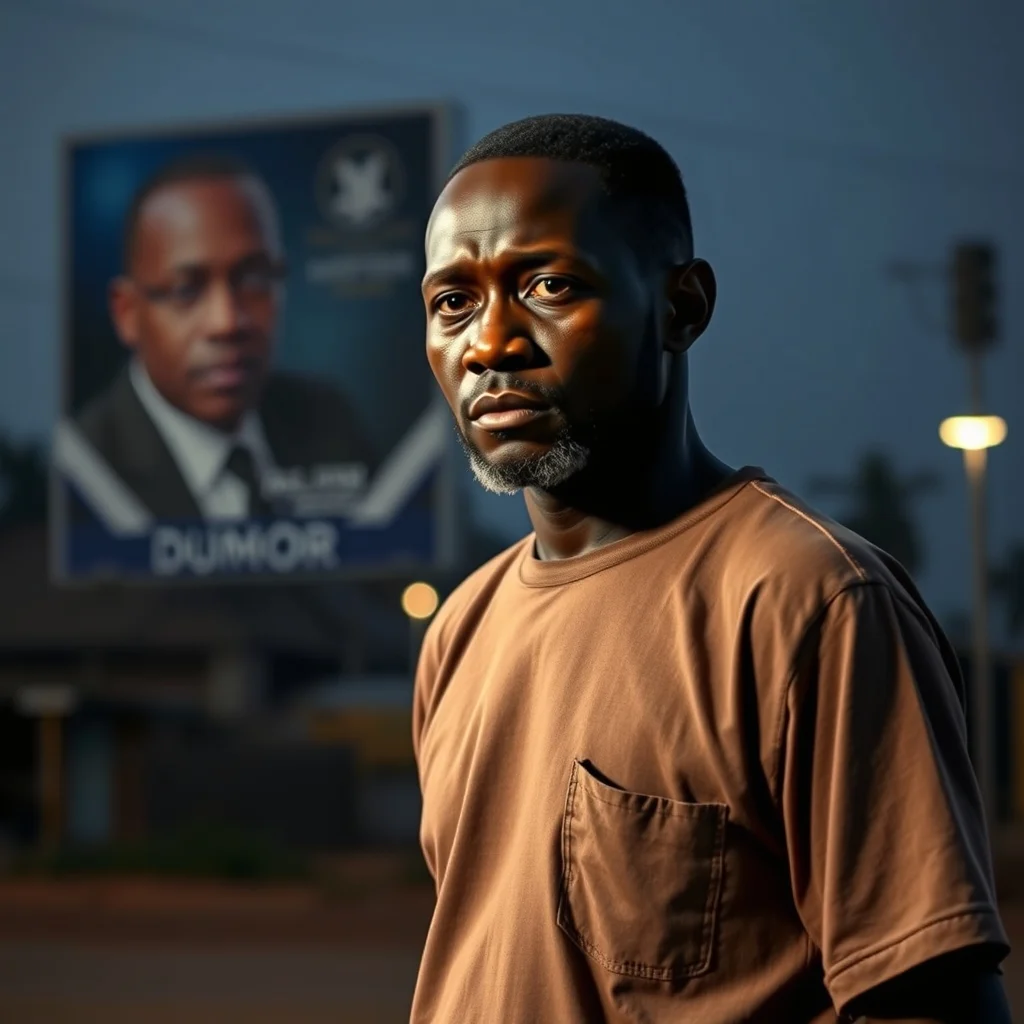
The Bureau of National Investigations (BNI) has released David Essendoh, the Agona West organiser for the opposition New Patriotic Party (NPP), following his arrest over an alleged false publication concerning power outages. Essendoh was taken into custody after posting on social media that Ghana’s persistent power supply issues, known locally as “dumsor,” had returned, a claim accompanied by a photograph of a billboard featuring the President.
The arrest, which occurred earlier this week, prompted immediate concern from NPP leadership. Party officials publicly questioned the legality of Essendoh’s detention and expressed alarm over his initial unconfirmed whereabouts. Attempts by party members to locate him at the Police Criminal Investigations Department (CID) headquarters and other national security offices proved unsuccessful for a period.
Concerns Over Arrest and Detention
The NPP leadership voiced strong objections to the manner of Essendoh’s arrest and subsequent detention. They described the actions as unlawful and a potential suppression of free speech. The party’s initial inability to ascertain Essendoh’s location heightened these concerns, suggesting a lack of transparency in the process.
A visit to the BNI offices in Kawkudi later confirmed that Essendoh had been held there since his apprehension. This confirmation came after a period of uncertainty that had fueled speculation and criticism from the party.
Allegations of False Publication
The core of the issue stems from Essendoh’s social media post. He claimed that “dumsor” had returned, a sensitive topic in Ghana given the country’s history with erratic power supply. The post included an image of a billboard with President Akufo-Addo’s likeness, implying official acknowledgement or responsibility for the alleged outages.
While Essendoh’s post was perceived by some as a factual alert, authorities, through the BNI, apparently viewed it as a false publication, leading to his arrest. This highlights the ongoing tension between political messaging and the state’s control over information, particularly concerning national infrastructure issues.
Release and Ongoing Investigation
Following his confirmation at the BNI, efforts were initiated by the NPP to secure Essendoh’s release. He was eventually granted bail after meeting the stipulated conditions. His release, however, is pending further investigations into the allegations against him.
The incident underscores the politically charged environment surrounding discussions of national issues like power supply in Ghana. The NPP’s strong reaction and the BNI’s actions point to differing interpretations of public discourse and the potential consequences for alleged misinformation.
Broader Implications
This event raises questions about the boundaries of political speech and the use of state security apparatus in handling such matters. For the public, it reiterates the sensitivity of “dumsor” and the scrutiny that any claims about its return receive. It also brings attention to the role of social media in disseminating political information and the risks associated with it.
The NPP’s stance suggests a commitment to defending its members against what it perceives as overreach by security agencies. The outcome of the BNI’s ongoing investigation will be closely watched, potentially setting precedents for how similar situations are handled in the future.
What to Watch Next
Attention will now turn to the details of the BNI’s investigation and whether any formal charges will be pressed against David Essendoh. The NPP’s continued response and any official statements from the government regarding the incident will also be significant. Observers will be monitoring how this situation impacts public discourse on power reliability and the relationship between political parties and state security agencies in Ghana.










Leave a Reply