
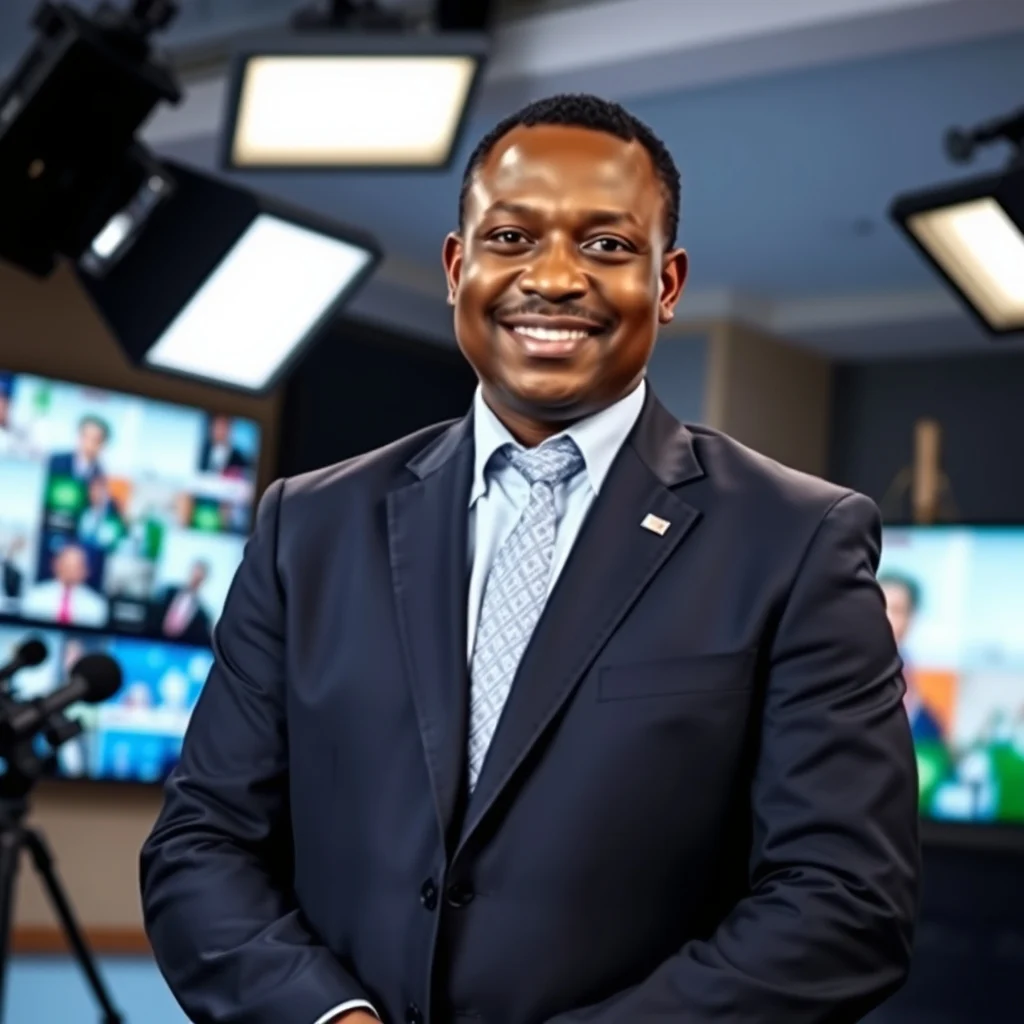
As the New Patriotic Party (NPP) gears up for its national elections to select new leaders, a critical question looms: how will the party reshape its communication strategy to regain political momentum? The upcoming leadership contest, set to determine the party’s direction, is increasingly viewed through the lens of its communication architecture, particularly in light of perceived shortcomings in the 2024 electoral cycle. This reflection underscores the urgency for a strategic overhaul, with potential new leadership poised to navigate the complex media landscape of Ghana.
Shifting Communication Paradigms
The NPP’s communication approach has undergone a significant transformation over the past decade. Traditional, familiar voices that once defined the party’s messaging are gradually being succeeded by a new generation of political communicators. This evolution is happening against the backdrop of a dynamic media environment where social media’s influence continues to grow, even as traditional media retains its formidable presence in Ghanaian politics.
A sober assessment of the NPP’s 2024 electoral performance suggests that communication challenges may have played a role in the outcome. Whether these challenges stemmed from strategy, execution, messaging, or positioning, the party acknowledges the need for careful consideration. The consensus is that the leadership of communication cannot be treated as a routine appointment, especially with the 2028 general elections on the horizon.
The Rise of Strategic Communication Leadership
For the NPP to effectively contest the 2028 elections, a robust and forward-thinking communication strategy is paramount. The party requires a communicator who possesses the ability to command both the burgeoning digital space and the enduring influence of traditional media with confidence and strategic acumen.
One figure emerging as a strong contender for such a role is Gordon Asare Bediako. His established presence, extensive experience, and credibility within the traditional media sphere are significant assets. Bediako is noted for his ability to communicate effectively and connect with the grassroots, a crucial element for any political party seeking broad appeal.
Leveraging Media Networks and Institutional Memory
Beyond his personal communication skills, Bediako has cultivated strong relationships across the media fraternity. This extensive network represents a major advantage that the NPP could leverage to rebuild its public image and enhance its media presence. He is seen by many as a potential “media broker” capable of helping the party reconnect with the electorate and dominate public discourse.
The demands of leading communication for a major political party extend beyond mere eloquence. The NPP needs an individual with established media presence, a deep understanding of the party’s history and institutional memory, strategic access to various media platforms, and the trust of the party’s grassroots supporters. Bediako’s track record suggests he embodies these qualities.
Past Service and Future Potential
Gordon Asare Bediako has a history of service to the NPP, having defended the party’s interests and spoken on its behalf in various capacities. Proponents argue that now is the opportune moment to elevate his role, allowing his experience to benefit the party’s collective objectives. The call is for the NPP to “Choose Gordon, Choose strategy, Choose accessibility, Choose effective communication” as it prepares for the critical electoral battle ahead.
Looking Ahead: The 2028 Electoral Landscape
As the NPP navigates its internal elections, the selection of its communication leadership will be a defining factor in its prospects for 2028. The party’s ability to adapt to the evolving media landscape, leveraging both digital and traditional platforms effectively, will be crucial. Observers will be watching closely to see how the party addresses its communication architecture and whether it embraces figures like Gordon Asare Bediako, who are perceived to bridge the gap between established media influence and grassroots connection, to secure its future electoral success.










Leave a Reply