
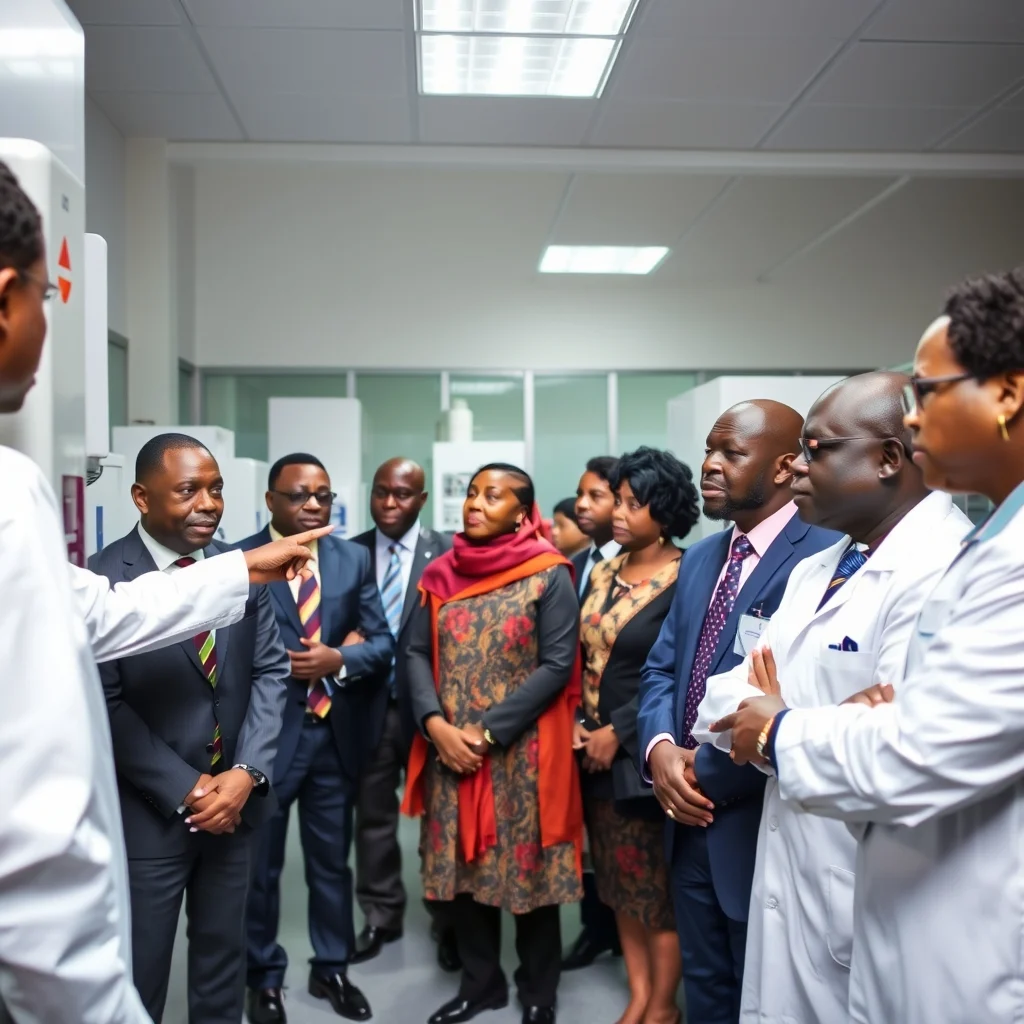
Accra, Ghana – The Parliamentary Select Committee on Trade, Industry, and Tourism, led by its Chairman Alexander Roosevelt Hottordze, has issued a strong call to the Ghanaian government to bolster the resources of the Ghana Standards Authority (GSA). The committee’s appeal, made during a visit to the GSA on Tuesday, stems from significant concerns over outdated laboratory equipment and insufficient personnel hindering the authority’s crucial mandate of ensuring product quality and safety.
Urgent Need for Modernization and Expansion
During an in-depth tour of the GSA’s laboratories, the parliamentary committee observed firsthand the challenges faced by the authority. Chairman Hottordze emphasized the critical need for the GSA to “multiply their human resources and change their old machines in the laboratories for them to operate efficiently.” He underscored the vital role the GSA plays, stating, “our lives hinge on a lot of the activities of the Authority and as a country, we need to prioritize their needs.”
The committee’s visit aimed to understand the GSA’s operations, identify existing challenges, and collaboratively chart a course for improvement. This includes exploring avenues for the authority to generate more internal revenue to fund necessary upgrades and expansion projects.
Combating the Influx of Substandard Products
A primary concern raised by the committee is the growing prevalence of substandard products entering the Ghanaian market, with a particular focus on recent issues with mattress items. Mr. Hottordze urged the GSA to adopt a more proactive stance in addressing this issue.
The GSA has recently taken action, including the closure of a company in Afienya found to be producing substandard goods and disregarding safety protocols. The committee views such enforcement actions as essential for protecting consumers and maintaining market integrity.
Enhancing Transparency and Consumer Protection
Ranking member Michael Okyere Baafi highlighted the importance of rigorous checks on fuel stations. He called for effective monitoring to ensure consumers receive the accurate quantity of fuel they pay for, thereby promoting transparency and value for money.
Furthermore, some committee members suggested that the GSA should actively participate in the government’s “Big Push Agenda” by testing construction materials to verify their efficacy and safety. This involvement would align the GSA’s work with national development initiatives.
GSA’s Commitment and Appeal for Support
Professor George Agyei, the Director-General of the GSA, affirmed the authority’s readiness to collaborate with government agencies to uphold safety and standards across all sectors. He noted that the government’s vision for a “24-hour economy” is intrinsically linked to robust standards, which are fundamental for sustainable national development.
Professor Agyei appealed to the parliamentary committee for intervention regarding delays in the GSA’s commitment authorization and for a larger share of their Internally Generated Fund (IGF) percentage to facilitate much-needed infrastructural projects.
Mr. George Kojo Anti, Director of International Affairs at the GSA, reassured the committee of the authority’s dedication to enforcing compliance. He also expressed optimism that the committee’s engagement would expedite the recruitment of additional staff across various districts, thereby strengthening nationwide standards compliance.
Looking Ahead: The Path to Effective Regulation
The committee’s visit and subsequent call for increased resourcing underscore the critical role of the Ghana Standards Authority in safeguarding public welfare and fostering economic growth. The effectiveness of the GSA is directly tied to its capacity to modernize its facilities and expand its workforce.
Moving forward, the focus will be on how the government responds to the committee’s recommendations. The potential for enhanced collaboration with security agencies and the integration of GSA’s mandate into broader national development agendas like the “Big Push” and the “24-hour economy” will be key indicators of progress. The GSA’s ability to secure adequate funding, both internally and from government allocations, will determine its capacity to combat the rising tide of substandard products and ensure fair trade practices for Ghanaian consumers.










Leave a Reply