
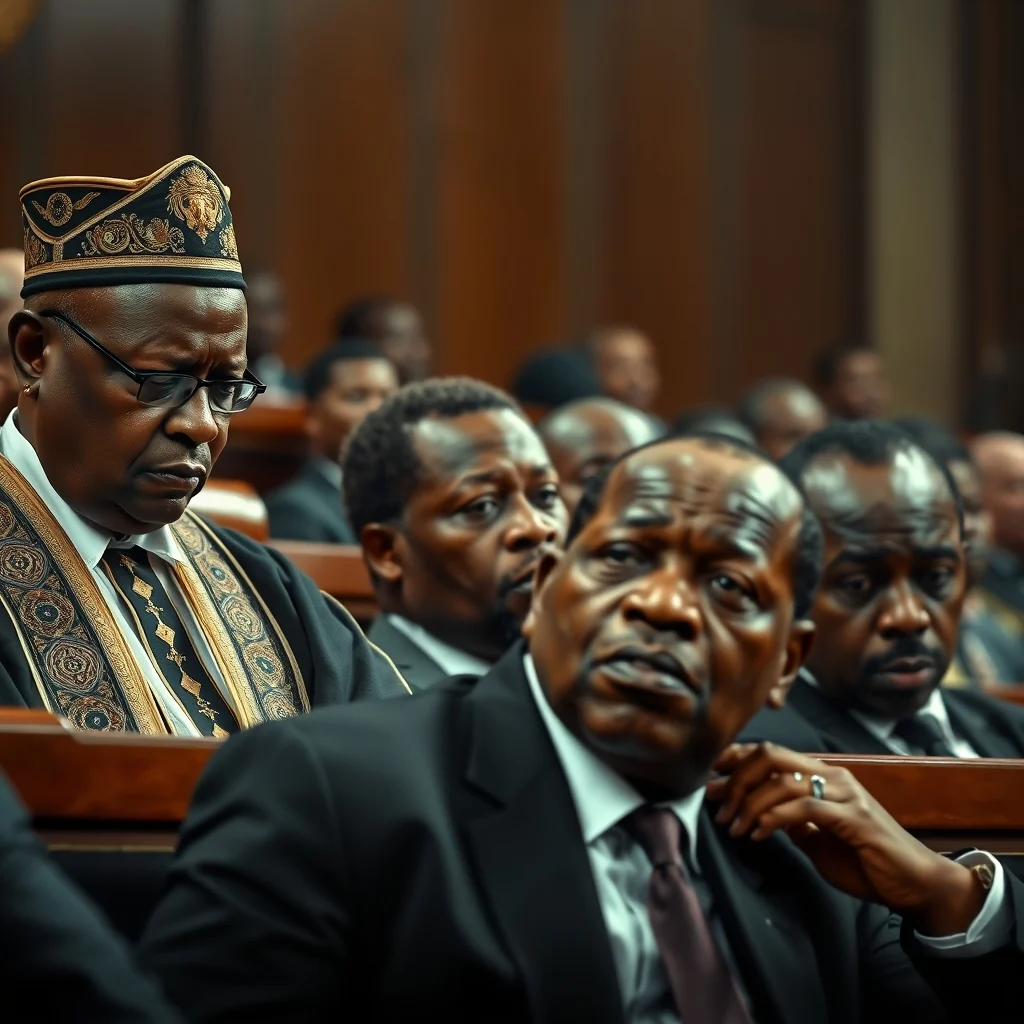
Former First Deputy Speaker Joseph Osei Owusu stated on Wednesday, June 3, that only a constitutional breach, not a procedural irregularity, can justify reopening the recently passed Anti-LGBTQ+ Bill. This assertion comes after Speaker Alban Bagbin raised concerns about the legislative process, leading to a debate on revisiting the bill’s passage.
Context of the Controversy
The Human Sexual Rights and Family Values Bill, commonly known as the Anti-LGBTQ+ Bill, recently completed its legislative journey in Parliament. However, Speaker Alban Bagbin expressed surprise that all stages of the bill’s passage were finalized, leading him to call for Parliament to reconsider its approval.
Speaker Bagbin’s directive on Friday, May 29, indicated he had expected the bill to be under consideration, not already passed. This unexpected development has ignited a significant discussion among lawmakers and legal experts regarding the validity of the bill’s passage and the Speaker’s authority.
Differing Parliamentary Views
Joseph Osei Owusu, speaking on Joy FM’s Top Story, clarified his position on the matter. He emphasized that while he had not yet been privy to the specific procedural violations cited by the Speaker, his understanding of parliamentary procedure points to a high threshold for reopening a passed bill.
“Frankly, I haven’t heard which specific Standing Orders have been breached. But as I said, it is only a constitutional breach which, in my view, can lead to the matter being reopened,” Osei Owusu stated. This suggests a strict interpretation of parliamentary rules, differentiating between minor procedural slips and fundamental legal flaws.
Conversely, Majority Leader Mahama Ayariga has firmly defended the integrity of the legislative process. Ayariga insists that Parliament validly passed the Human Sexual Rights and Family Values Bill, 2025.
Ayariga’s stance challenges the Speaker’s authority to reverse a decision already made by the entire House. This presents a clear division within Parliament regarding the interpretation of rules and the finality of their votes.
Legal and Procedural Implications
The core of the debate lies in whether alleged breaches of Parliament’s Standing Orders are substantial enough to warrant a fresh third reading of the bill. Legal observers are examining the specific procedural steps taken during the bill’s passage.
The distinction between a procedural irregularity and a constitutional breach is critical. A constitutional breach would imply a violation of the supreme law of the land, carrying significant legal weight. A procedural irregularity, while potentially requiring correction, might not automatically invalidate the entire legislative act.
The outcome of this debate could set a precedent for how parliamentary proceedings are conducted and how disputes over legislative validity are resolved in the future.
Looking Ahead
The coming days will be crucial as Parliament navigates this contentious issue. The specific details of the alleged procedural breaches will likely come under intense scrutiny. Observers will be watching to see if a consensus can be reached or if the matter escalates to further legal or parliamentary challenges. The final decision on whether to reopen the bill will have significant implications for Ghana’s legislative governance and the future of the Anti-LGBTQ+ Bill itself.










Leave a Reply