
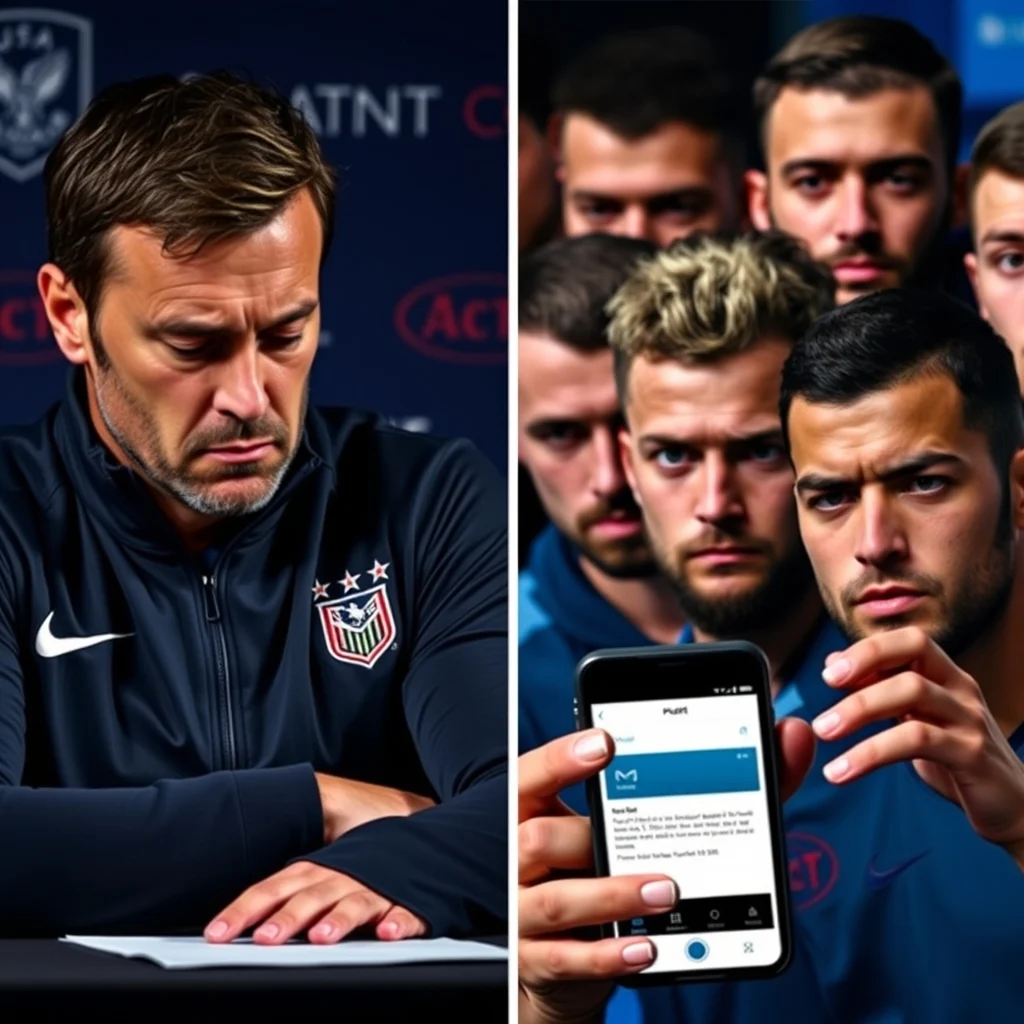
United States manager Mauricio Pochettino has faced scrutiny for his method of informing players about their exclusion from the 26-man World Cup squad, opting for emails to those left out while sending video messages to the selected players. The controversy emerged following reports from The Athletic detailing the approach, prompting debate over player communication protocols in high-stakes team selections.
Background of the Controversy
The selection process for any major international tournament, especially the World Cup, is a critical and often sensitive period for players and coaching staff. This year, with the United States as co-hosts, the pressure on the squad selection is amplified. The method of communication for both inclusion and exclusion can significantly impact player morale and the public perception of the coaching team.
Historically, communication methods have varied. Some managers prefer direct phone calls, while others might use personal meetings or even text messages. The contrast in Pochettino’s approach—emails for those cut and video messages for those selected—drew immediate attention and criticism from former players and pundits.
Pochettino’s Defense
Speaking at a press conference, Pochettino defended his decision, asserting that players who are omitted from a squad would likely prefer not to receive a personal call from the manager. He argued that such a call might feel disingenuous or like an attempt by the coach to assuage their own guilt.
“When I was a player, when I didn’t make the roster, I didn’t want my coach to call me,” Pochettino stated. He elaborated that players who are cut likely do not wish to hear an apology or an explanation that might feel like a lie or an excuse.
Pochettino revealed the emotional toll the selection process took on him, stating he lost sleep over the decisions. He emphasized his empathy for the players who did not make the cut, suggesting that a personal call from him would be more about his own feelings than about the player’s needs.
“The players who didn’t make the roster, they don’t want to hear me say ‘I apologise’. What are you going to say? Am I going to lie? I care. Do you know why I care? Because during [the past] two weeks I didn’t sleep,” he explained.
He further added, “And today, still I cannot enjoy the 26 guys that are in front of me, because I am thinking of players that are out. If I call, it’s about myself. I say, ‘Oh, I call, I am very human about calling and then giving an explanation’.”
Expert and Former Player Reactions
The debate was fueled by former US forward Herculez Gomez, who appeared on ESPN’s Futbol Americas. Gomez criticized Pochettino’s email strategy, deeming it inexcusable for players not to receive a direct call when they are cut from the squad.
Gomez cited his own experience, praising former US manager Jurgen Klinsmann for informing him directly via voicemail about his omission from the 2014 World Cup squad. This personal touch, even if delivering bad news, was seen by Gomez as a mark of respect.
Broader Implications for Player Management
This incident highlights a recurring challenge in sports management: balancing the strategic needs of a team with the emotional well-being of individual athletes. The way coaches handle player selections and dismissals can profoundly affect team dynamics, player loyalty, and the coach’s reputation.
In an era where mental health and player welfare are increasingly emphasized, communication strategies are under greater scrutiny. While efficiency might favor digital communication like emails, the human element of direct conversation often carries more weight in building trust and respect.
Looking Ahead
As the United States prepares for their Group D campaign, which begins against Paraguay on June 13th followed by matches against Australia and Turkey, the focus will inevitably shift back to on-field performance. However, the discourse around Pochettino’s communication methods may set a precedent for how such sensitive decisions are handled in future tournaments, particularly for a nation co-hosting the event.
The reaction underscores the importance of empathetic and transparent communication in elite sports. It remains to be seen whether this approach will impact team cohesion or future player recruitment and retention for the USMNT, and if other national team managers will adopt or avoid similar strategies in their own selection processes.










Leave a Reply