
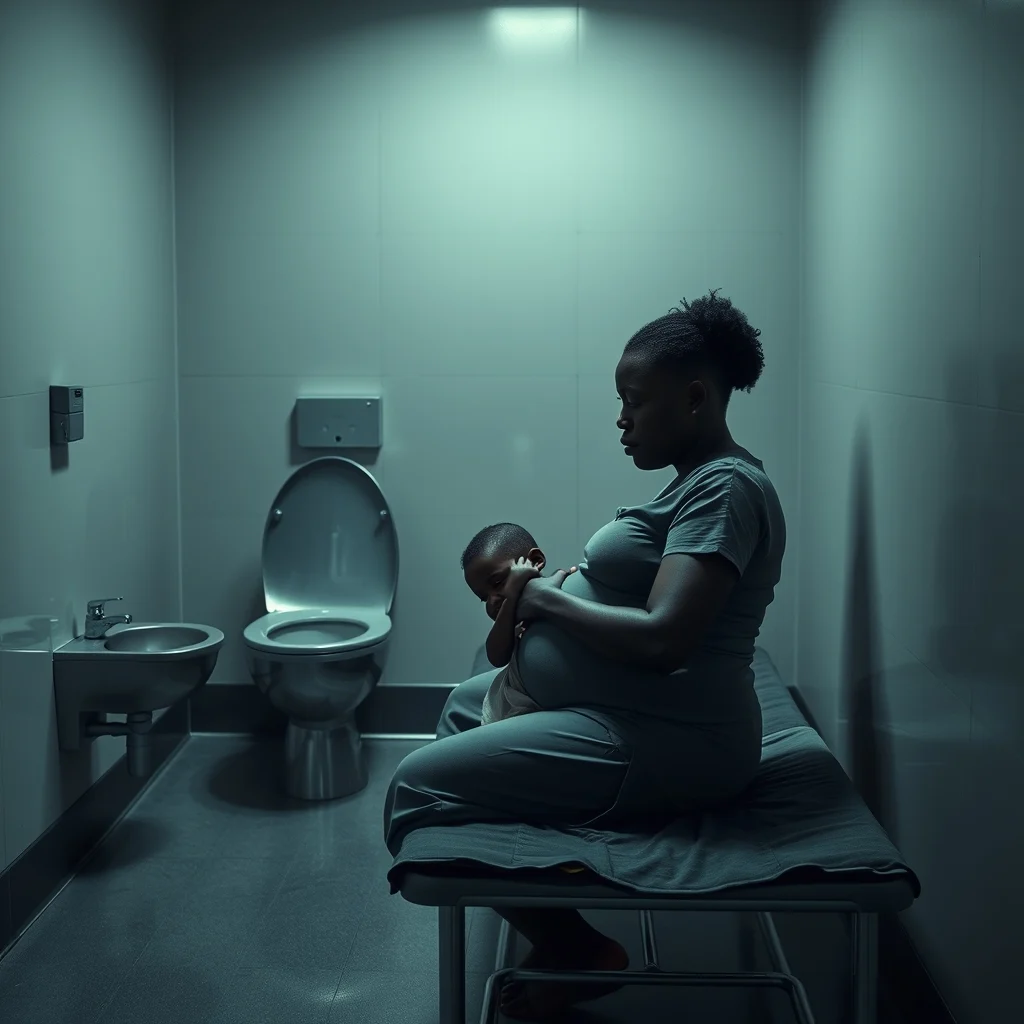
A pregnant woman from Ghana and her 4-year-old son have been detained at Washington Dulles International Airport for over a week after arriving on tourist visas to seek medical treatment for their child, according to allegations by the American Civil Liberties Union (ACLU). The pair arrived on May 19 and were subsequently taken into U.S. Customs and Border Protection (CBP) custody.
Background of the Detention
Annabella Gyasi, 38, traveled to the U.S. with her son, who requires medical care for a congenital abnormality affecting his hands. She had secured a visa and an appointment at Akron Children’s Hospital in Ohio for the necessary treatment.
During her entry inspection, CBP officers questioned Gyasi about her fear of persecution in Ghana. According to Eden Heilman, legal director of the ACLU’s Virginia branch, Gyasi responded honestly, expressing concerns related to her son’s disability. This response led CBP to reclassify her as an asylum applicant and initiate the process to revoke her tourist visa.
Detention Conditions and Legal Action
The ACLU alleges that Gyasi and her son are being held in a windowless holding room, described in a court filing as a converted work area with minimal amenities. They claim the conditions are inadequate, and Gyasi has experienced medical issues requiring hospitalization twice since her detention. During one hospital visit, medical staff reportedly expressed concern about her nutritional intake.
On Tuesday, the ACLU filed an emergency petition in the U.S. District Court for the Eastern District of Virginia. The petition urges the court to order the release of Gyasi and her son so they can access the necessary medical care. Attorneys for the ACLU stated that CBP’s actions violate U.S. law and prioritize a harsh immigration agenda over basic human rights and constitutional principles.
Government Response and Shifting Circumstances
A spokesperson for the Department of Homeland Security denied the ACLU’s allegations in a statement to The Washington Post. The department asserted that individuals in CBP custody receive appropriate medical evaluation, medication, and food. They confirmed Gyasi remains in CBP custody at Dulles Airport pending her immigration hearing.
The ACLU further alleges that Gyasi initially expressed a preference for deportation over continued detention, fearing for the health of her unborn child. Following this statement, CBP reportedly allowed her to request additional food and shower for the first time since her arrival. However, Gyasi later rescinded her decision to depart voluntarily.
Health Concerns and Court Intervention
On Monday, Gyasi experienced vaginal bleeding, prompting another hospitalization. Doctors attributed her condition to high stress levels, according to the court filing. This development occurred after Gyasi reversed her decision to self-deport.
In response to the ongoing situation, a judge on Wednesday ordered federal officials to present a legal justification for Gyasi’s detention by Thursday morning. This order signifies judicial intervention into the case.
Broader Immigration Policy Context
The situation also comes amid broader shifts in U.S. immigration policy. The State Department recently issued guidance to diplomatic missions to inquire about applicants’ fears of returning to their home countries and to deny visas to those who express such fears. While it remains unclear if this policy directly influenced Gyasi’s case, it highlights a trend toward stricter visa processing and screening.
The ACLU pointed out that many asylum seekers abandon their claims and opt for voluntary departure due to lengthy detention periods, a phenomenon previously reported by The Washington Post. Gyasi’s case, they argue, presents an impossible choice between seeking life-improving medical care for her son and ensuring the safety of her pregnancy.
Looking Ahead
The court’s upcoming deadline for federal officials to justify Gyasi’s detention will be a critical point in this case. Observers will be watching to see if Gyasi and her son are released, what legal basis is presented for their continued detention, and how this situation might influence the interpretation and application of asylum and immigration laws, particularly concerning vulnerable individuals and those seeking essential medical care.










Leave a Reply