
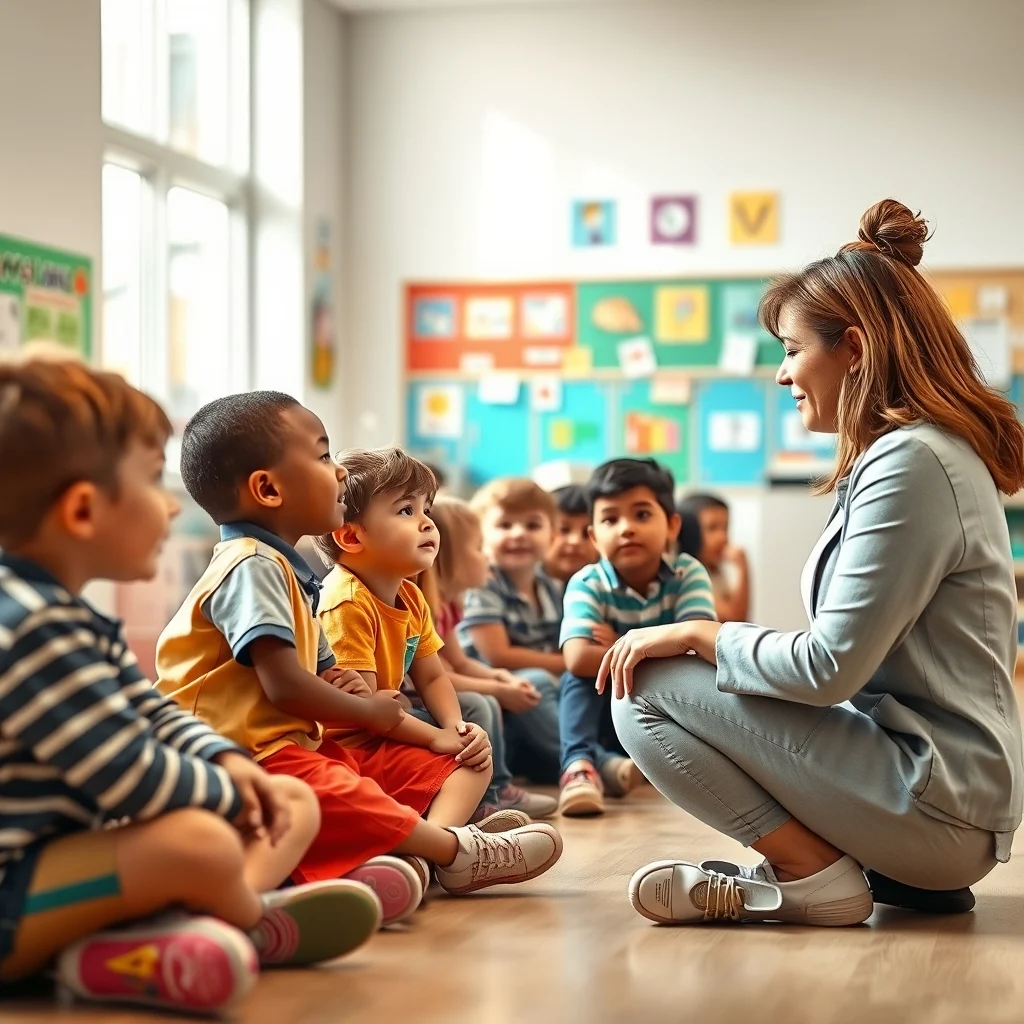
Mary Anane Awuku, CEO of Brain Hill International School, stated on Joy Learning TV and Joy News that her institution prioritizes understanding a child’s home environment to address behavioral issues, eschewing corporal punishment for methods like counselling and consequence-based discipline. This approach, she explained, acknowledges that external factors significantly shape a child’s conduct. The school, located in Ghana, has adopted this strategy to foster a more supportive and effective learning environment for its students.
Rethinking Discipline: Beyond the Cane
Brain Hill International School has moved away from traditional corporal punishment, opting instead for a multi-faceted disciplinary approach. Awuku detailed that when a child misbehaves, the school might implement consequences such as temporary removal from group activities during break times or co-curricular periods. This method aims to provide a moment for reflection without resorting to physical pain.
The school also maintains a dedicated wellness and counselling unit. This unit provides ongoing support and guidance, addressing behavioral challenges not as isolated incidents but as opportunities for continuous development. This integrated approach suggests a commitment to the psychological well-being of students.
The Influence of Environment on Behavior
Awuku emphasized a core tenet of child psychology: a child’s behavior is not solely innate but heavily influenced by their surroundings. She shared an anecdote about a student exhibiting aggressive tendencies, such as kicking other children. Investigations revealed that the child’s father frequently watched action movies with him, leading the child to mimic the aggressive behaviors observed on screen.
This example underscores the school’s belief that understanding the home environment is crucial. By engaging with parents, educators can identify external triggers and work collaboratively to mitigate their impact. This collaborative strategy aims to address the root causes of behavioral issues, promoting healthier development.
Parental Involvement: A Shared Responsibility
The CEO stressed the indispensable role of parents in a child’s upbringing and education. She invoked the proverb, “It takes a village to raise a child,” urging parents to be active partners with schools, rather than delegating all responsibility. Awuku expressed concern over instances where parents disengage from their children’s progress, citing a lack of attention to homework and missed parent-teacher meetings.
She highlighted that parental observation and engagement are vital. Issues occurring within the home, such as parental conflicts, can be mirrored by children, impacting their school performance and behavior. Increased parental concern and attention, she believes, can significantly aid a child’s overall development.
Expert Support and Data
Awuku’s perspective aligns with modern educational psychology, which increasingly recognizes the impact of environmental factors and the importance of positive reinforcement and restorative practices in discipline. While specific data from Brain Hill International School was not detailed in the interview, the principles cited are supported by research from organizations like the American Psychological Association, which advocates for non-violent discipline strategies and emphasizes the role of positive parent-child interactions in shaping behavior.
Implications for Education and Parenting
The shift away from corporal punishment towards a more holistic, environment-aware approach signals a broader trend in educational institutions. Schools like Brain Hill International are demonstrating that effective discipline can be achieved through understanding, communication, and supportive interventions. This approach not only addresses immediate behavioral concerns but also aims to foster long-term emotional intelligence and resilience in students.
For parents, this movement underscores the need for greater involvement and awareness of their children’s daily lives, both at home and at school. It calls for open communication with educators and a conscious effort to model positive behaviors. The emphasis on collaborative problem-solving suggests that successful child development is a joint venture between families and educational institutions.
The Future of School Discipline
As more schools adopt similar strategies, the focus is likely to intensify on teacher training in counseling techniques and effective communication with parents. The success of these alternative methods will depend on sustained commitment from both educators and families. Observers will be watching to see how this approach scales and adapts to diverse student populations and behavioral challenges, potentially influencing policy and best practices in education across the region.










Leave a Reply