
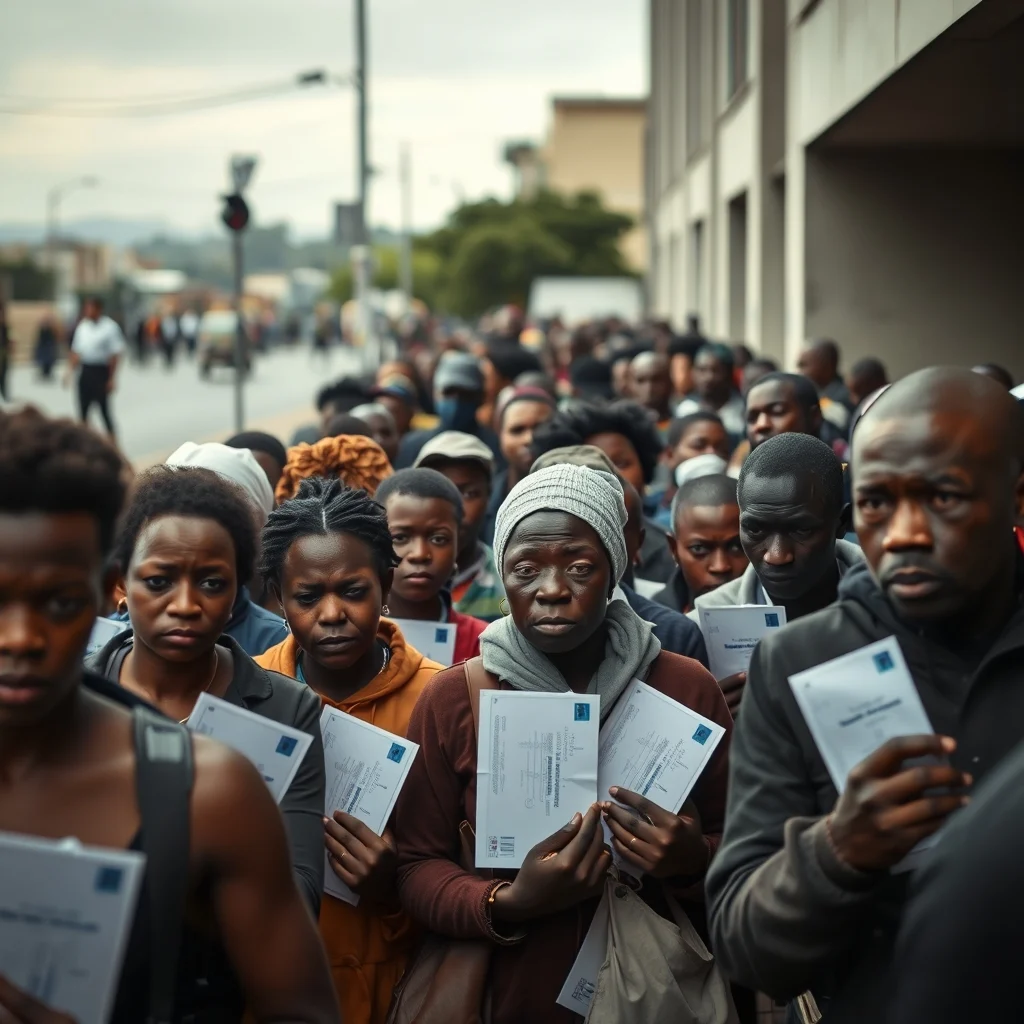
South African President Cyril Ramaphosa announced on Sunday a forthcoming crackdown on groups instigating xenophobic violence, as escalating anti-immigrant protests strain the nation’s international relations and prompt citizens of neighboring countries to repatriate. The president’s televised address came as Ghana, Nigeria, Malawi, and Mozambique are organizing the return of their nationals caught in the unrest, with Mozambique reporting five of its citizens killed.
Context of Recurring Xenophobia
Xenophobic violence is not a new phenomenon in South Africa. Immigrants, particularly those from other African nations, are frequently scapegoated for the country’s persistent economic challenges, including high unemployment rates and crime. Critics argue that these accusations are often unfair and exploited by populist political figures to gain support.
Ramaphosa’s Commitment to Action
President Ramaphosa stated, “We will act against forces who are exploiting the concerns of our people about illegal immigration to further their own political, personal and criminal agendas.” He emphasized that such groups would not be allowed to destabilize the country by inciting lawlessness, even while acknowledging legitimate concerns about illegal immigration among South Africans.
The president cautioned citizens against vigilantism, specifically condemning the practice of stopping individuals on the street to demand identity documents. He reiterated that the enforcement of immigration laws is exclusively the responsibility of the state.
Government Measures to Address Migration
Ramaphosa acknowledged that migrants are often blamed for systemic issues stemming from poverty and high unemployment. To tackle these root causes and manage migration, the government is implementing several measures. These include stricter enforcement of existing regulations and a comprehensive overhaul of immigration laws.
Furthermore, the administration is engaging in diplomatic efforts with other countries to address the underlying reasons for irregular migration. Plans are also underway to establish dedicated courts to expedite immigration-related cases, thereby improving efficiency and fairness in the legal process.
A significant initiative involves upgrading South Africa’s identification system. The traditional paper “green book” identity documents, carried by both South African citizens and legal migrants, are being replaced with more secure, biometric digital ID cards. This aims to enhance security and streamline identification processes.
International Reactions and Concerns
The escalating situation has drawn sharp reactions from other African nations. The Ghanaian government, through its Foreign Minister Samuel Okudjeto Ablakwa, announced on Saturday that it had petitioned the African Union regarding the treatment of its citizens in South Africa. Ghana is reportedly compiling a list of assets lost by its nationals due to the attacks, potentially for future legal action.
Implications for South Africa and the Region
The renewed wave of xenophobic violence and the government’s response have significant implications. For South Africa, it poses a threat to its reputation as a welcoming nation and a key player in the African continent. The economic impact of unrest and the potential loss of foreign investment are serious concerns.
For the region, the repatriation of citizens highlights the ongoing challenges of intra-African migration and the need for coordinated solutions. The diplomatic tensions may also strain regional cooperation efforts.
Looking Ahead
The effectiveness of President Ramaphosa’s promised crackdown will be closely watched. Key developments to monitor include the specific actions taken against instigating groups, the progress in overhauling immigration laws, and the success of diplomatic engagement with affected countries. The implementation of the new digital ID system and the functioning of dedicated immigration courts will also be critical indicators of the government’s commitment to resolving these complex issues.







Leave a Reply