
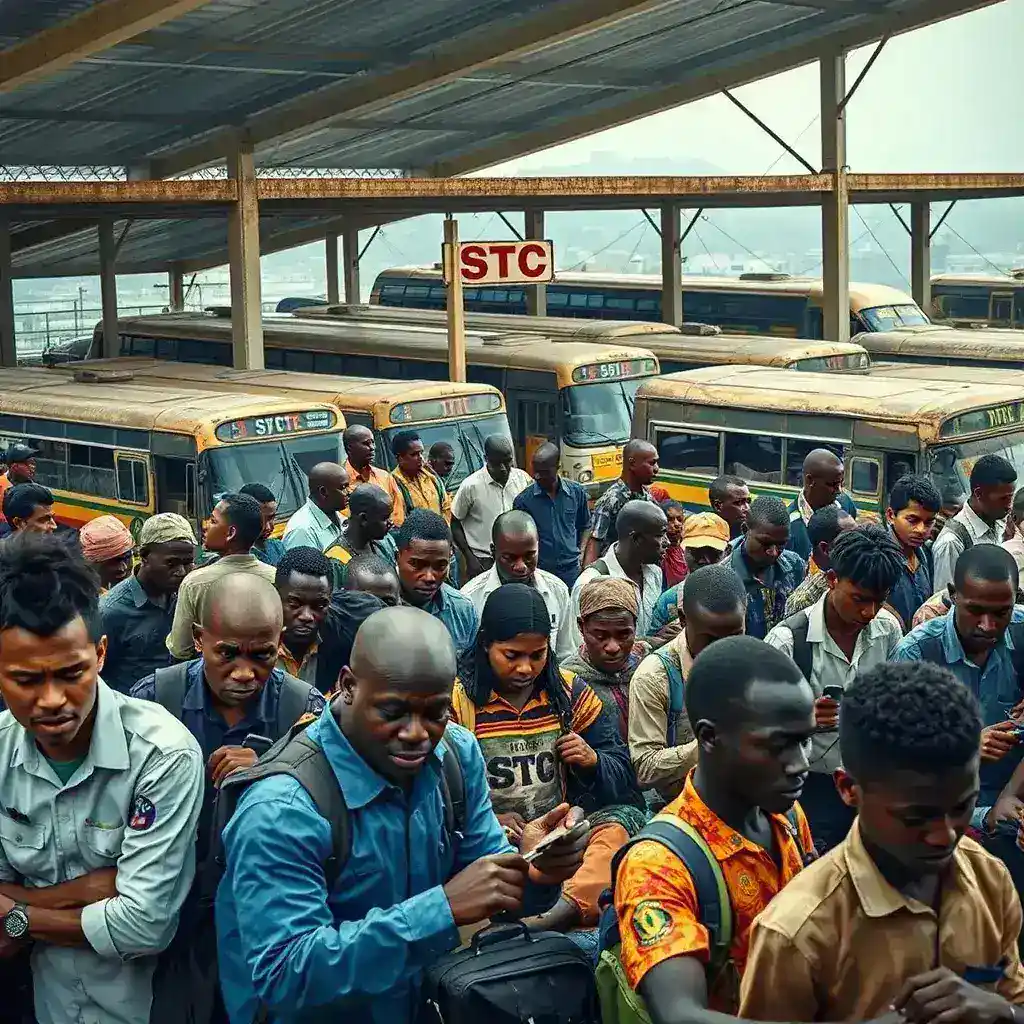
The State Transport Company (STC) is initiating urgent measures to address significant delays and improve the condition of its fleet, aiming to deploy nearly 120 new buses by year-end to combat mounting public frustration at its terminals nationwide.
This strategic fleet expansion aims to relieve pressure on the current, overstretched vehicles and enhance the overall passenger experience, following recent public outcry over prolonged waiting times and deteriorating service standards.
Addressing Operational Challenges
Recent public criticism, amplified by a viral social media video showcasing stranded passengers and their discontent, has prompted STC management to acknowledge operational difficulties. The video highlighted extended delays and what some passengers described as a decline in service quality at various STC stations.
Nuru Hamidan, STC’s Deputy Managing Director for Finance and Administration, confirmed these operational challenges. While defending the company’s rigorous maintenance procedures, he emphasized that passenger safety remains paramount.
“We have standards that we follow. What differentiates us from other buses is safety. Whenever a bus offloads passengers, it goes straight to the workshop for proper checks before it hits the road again,” Hamidan stated.
He explained that the delays are partly due to mandatory technical inspections conducted after every journey. These checks ensure all buses are roadworthy before they depart again, a process designed to uphold STC’s safety-first reputation.
Fleet Shortage and Rising Demand
Despite these safety protocols, Mr. Hamidan admitted that the current fleet size is inadequate to meet the escalating passenger demand. This shortfall is particularly acute during peak travel periods, leading to overcrowding and extended waiting hours at several terminals.
Commuters have increasingly voiced their dissatisfaction in recent months, citing delays, inconsistent scheduling, and aging buses as factors eroding confidence in the once-dominant public transport provider.
Passengers featured in the viral footage reported spending hours waiting for buses, with many accusing STC of poor communication and subpar customer service. These incidents underscore a growing disconnect between the company’s service delivery and passenger expectations.
Fleet Expansion and Strategic Partnerships
STC management is actively working to stabilize operations while awaiting the arrival of the new buses later this year. The company anticipates that the planned fleet expansion will significantly reduce turnaround times, ease terminal congestion, and restore efficiency across its intercity routes.
To mitigate the immediate impact of the bus shortage and minimize disruptions, STC has forged strategic partnerships with other transport operators. These collaborations are intended to help accommodate excess passenger demand during this transitional period.
STC’s Role in Public Transport
As one of Ghana’s longest-standing public transport providers, STC operates extensive long-distance passenger services connecting major towns and cities. The company also serves selected international routes within the West African sub-region.
Even with intensifying competition from private transport operators, STC continues to position itself as a carrier prioritizing safety, especially for long-haul journeys. This focus on safety is a key differentiator in its marketing efforts.
Future Outlook
The successful integration of the 120 new buses is expected to be a critical factor in STC’s ability to regain public trust and improve service reliability. The effectiveness of its strategic partnerships in managing demand during the interim period will also be closely watched. Passengers and industry observers will be looking for tangible improvements in punctuality and comfort as the company navigates this period of fleet renewal and operational adjustments.










Leave a Reply