
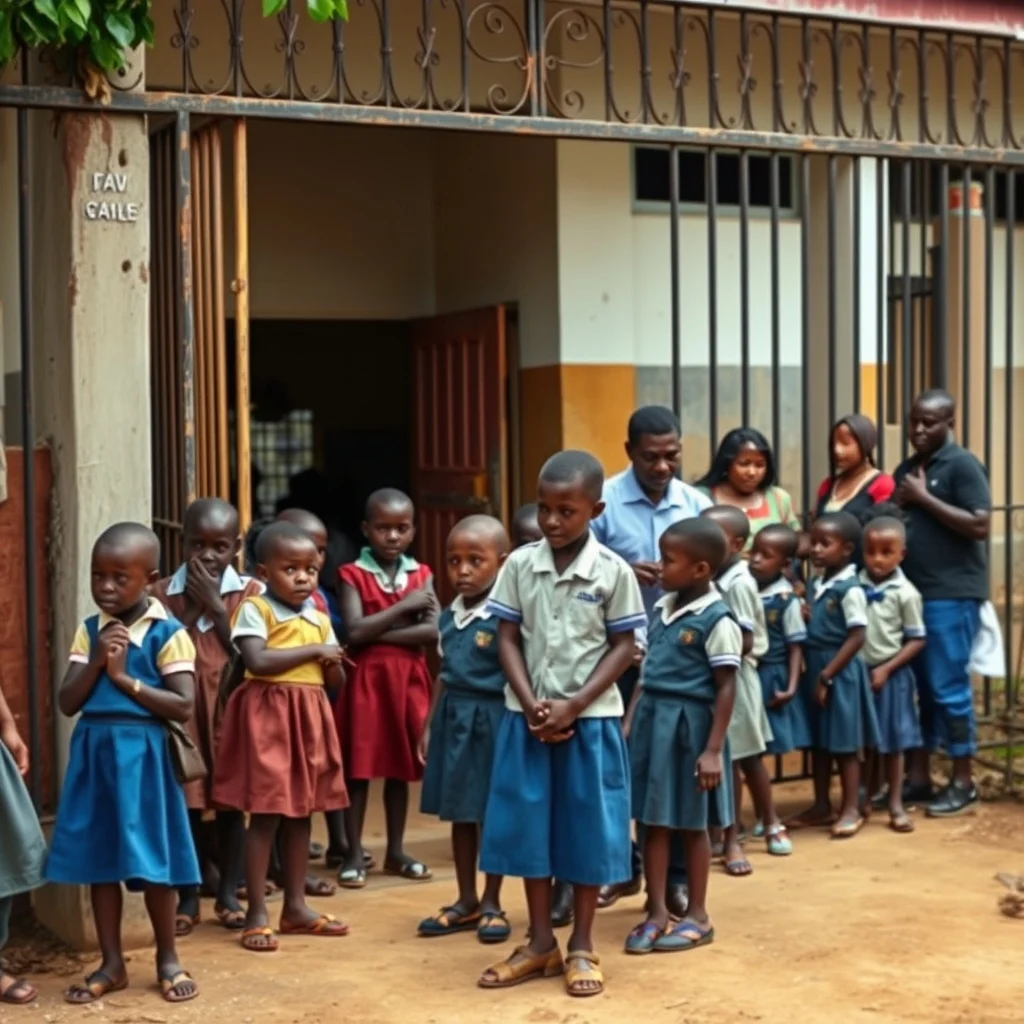
Thousands of pupils in the Tarkwa Nsuaem Municipality, Western Region, were sent home Monday as teachers initiated an indefinite strike. The industrial action, affecting approximately 80 public schools, was triggered by the alleged assault of three teachers and a civilian by military personnel, disrupting crucial teaching and learning activities.
Strike Grounds Academic Activities
Upon arriving for classes, students found classrooms locked and empty, with no teachers present to conduct lessons. School authorities subsequently directed the pupils to return home, leaving their education in limbo.
Roots of the Industrial Action
The strike follows weeks of escalating tension and protests by teacher unions, including the Ghana National Association of Teachers (GNAT), the National Association of Graduate Teachers (NAGRAT), and the Coalition of Concerned Teachers Ghana (CCT-GH). The unions have directed their members to cease work until their demands are met.
The core of the dispute lies in an alleged incident of military brutality at Adiewoso M/A Basic School, which reportedly involved three teachers and the husband of one of the female teachers.
Unions’ Demands and Negotiations
Teacher unions have outlined clear demands, calling for a public apology from the military personnel involved in the alleged assault. They are also seeking compensation for the victims and a formal condemnation of the incident by authorities.
While acknowledging that the Western Regional Director of the Ghana Education Service met with union representatives on May 28, providing assurances of counselling support and potential reposting for affected teachers, the unions deem these measures insufficient.
A statement from the unions indicated that the Western Regional Minister had convened a meeting for June 2 to address the matter. However, the unions have reiterated their commitment to the strike, emphasizing that it will continue until concrete actions are taken to satisfy their demands.
Escalation and Stakeholder Hopes
This latest industrial action represents a significant escalation from previous protests, which included teachers wearing red armbands and issuing ultimatums. Education stakeholders are expressing hope that the ongoing discussions between the teacher unions and government officials will yield a swift resolution.
The primary concern remains the potential for prolonged disruption to academic calendars, impacting the educational progress of numerous students in the Tarkwa Nsuaem Municipality.
Looking Ahead
The coming days will be critical as negotiations continue. The response of the military and government authorities to the unions’ demands for an apology, compensation, and condemnation will determine the duration of the strike. The effectiveness of the planned meeting on June 2 and any subsequent concrete actions will be closely watched by parents, students, and the broader education community in Ghana.










Leave a Reply