
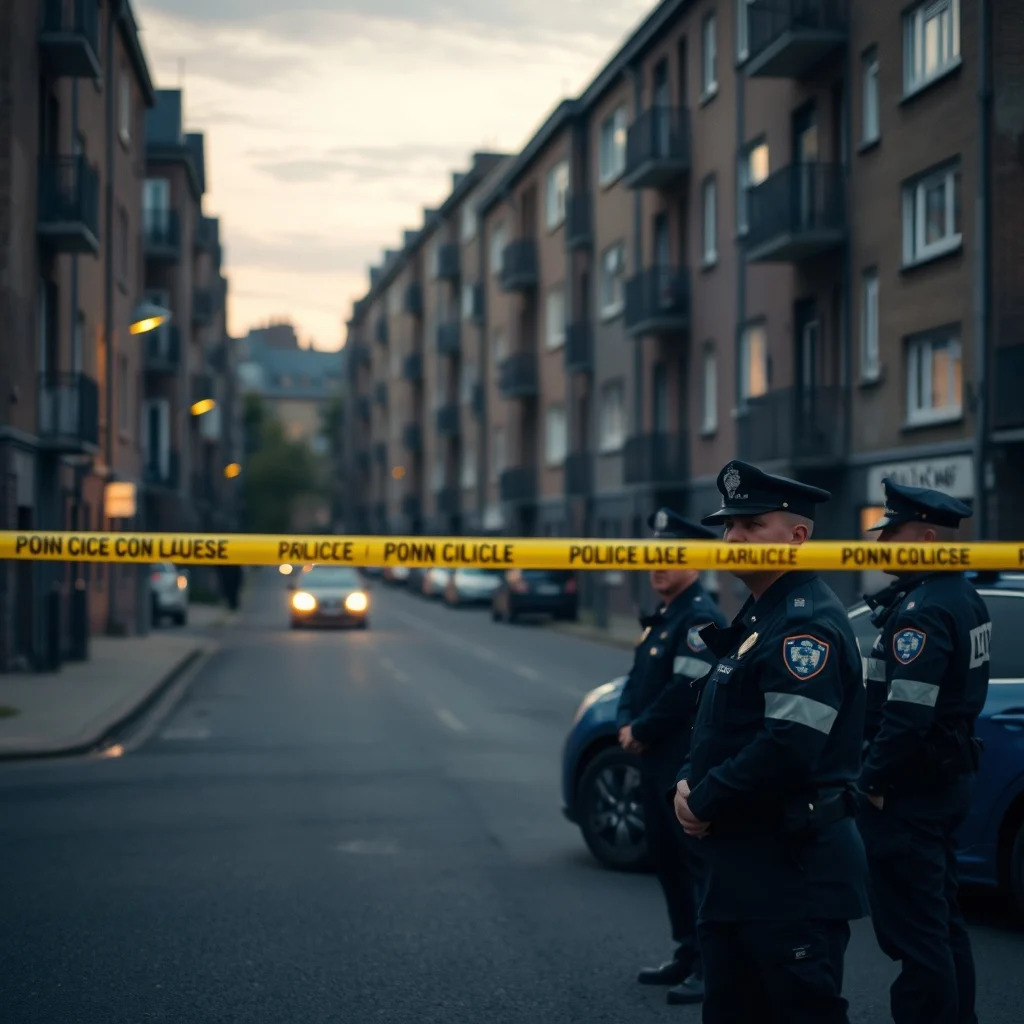
A 15-year-old boy was fatally shot and a 13-year-old seriously injured in Nantes, France, on [Insert Date of Incident], in an incident prosecutors are attributing to escalating drug-related violence. The shooting, which involved masked assailants armed with automatic weapons, has intensified concerns about the growing impact of drug trafficking on French youth and communities.
Background of Drug-Related Violence in France
France has been grappling with an increase in drug-related violence, particularly in urban areas. This incident in Nantes is not isolated; a similar fatal shooting linked to drug trafficking occurred in the same neighborhood at the end of the previous month. In response to rising crime, several French cities implemented night-time curfews for young people in 2025, aiming to curb drug-related violence.
The Ministry of Justice reports a significant surge in teenagers involved in the illegal drug trade, with numbers reportedly more than quadrupling over the past eight years. This trend highlights a growing societal challenge and the vulnerability of young people to criminal networks.
Details of the Nantes Shooting
According to Nantes prosecutor Antoine Leroy, the attack targeted three young men, and the motive is believed to be a settling of scores within drug operations. Interior Minister Laurent Nuñez confirmed that the assailants were masked and used automatic weapons.
While prosecutors point to drug trafficking as the likely cause, Minister Nuñez stressed that the victims might have been innocent bystanders. “That said… that does not mean that the individuals who were targeted, and especially the person who died, were themselves involved in trafficking. I want to be absolutely clear on that,” Nuñez stated.
Family members of the deceased boy have vehemently rejected any suggestion of his involvement in drug activity. Paola, the aunt of the 15-year-old, told reporters that her nephew “was not a criminal” and was simply “in the wrong place at the wrong time” while visiting a friend. Another resident, Stella, shared that the boys were on their way to their grandmother’s house when the shooting occurred.
Community Impact and Official Response
The shooting has sent shockwaves through the Port-Boyer neighborhood of Nantes, a working-class area characterized by high-rise apartment blocks. Witnesses described hearing multiple bursts of gunfire and seeing hooded individuals fleeing the scene.
Nantes Mayor Johanna Rolland condemned the “drug trafficking that is plaguing the country” and highlighted the community’s distress, especially given the recent fatal shooting in the same area. She urged the deployment of all police resources to apprehend the perpetrators.
Minister Nuñez vowed that the government would continue its “war against traffickers” and “continue to win battles.” He emphasized the need to address the issue for the sake of the victims and residents who are “at the end of their tether” with persistent drug trafficking.
Broader Implications and Future Trends
The incident underscores the critical issue of youth involvement in drug trafficking and the pervasive impact of organized crime on French society. The debate over whether victims are directly involved or collateral damage in drug wars highlights the complex reality faced by law enforcement and communities.
The increasing number of teenagers drawn into the drug trade suggests a need for more comprehensive preventative strategies, including enhanced social support, educational programs, and targeted interventions. The effectiveness of measures like curfews remains a subject of ongoing discussion as authorities seek to balance public safety with individual liberties.
Authorities are under pressure to not only apprehend the individuals responsible for this specific attack but also to dismantle the drug networks operating in Nantes and other affected cities. The focus will likely remain on intelligence gathering, targeted police operations, and community engagement to combat this persistent threat. The long-term implications involve addressing the root causes of youth radicalization into criminal activities and fostering safer environments for all residents.










Leave a Reply