
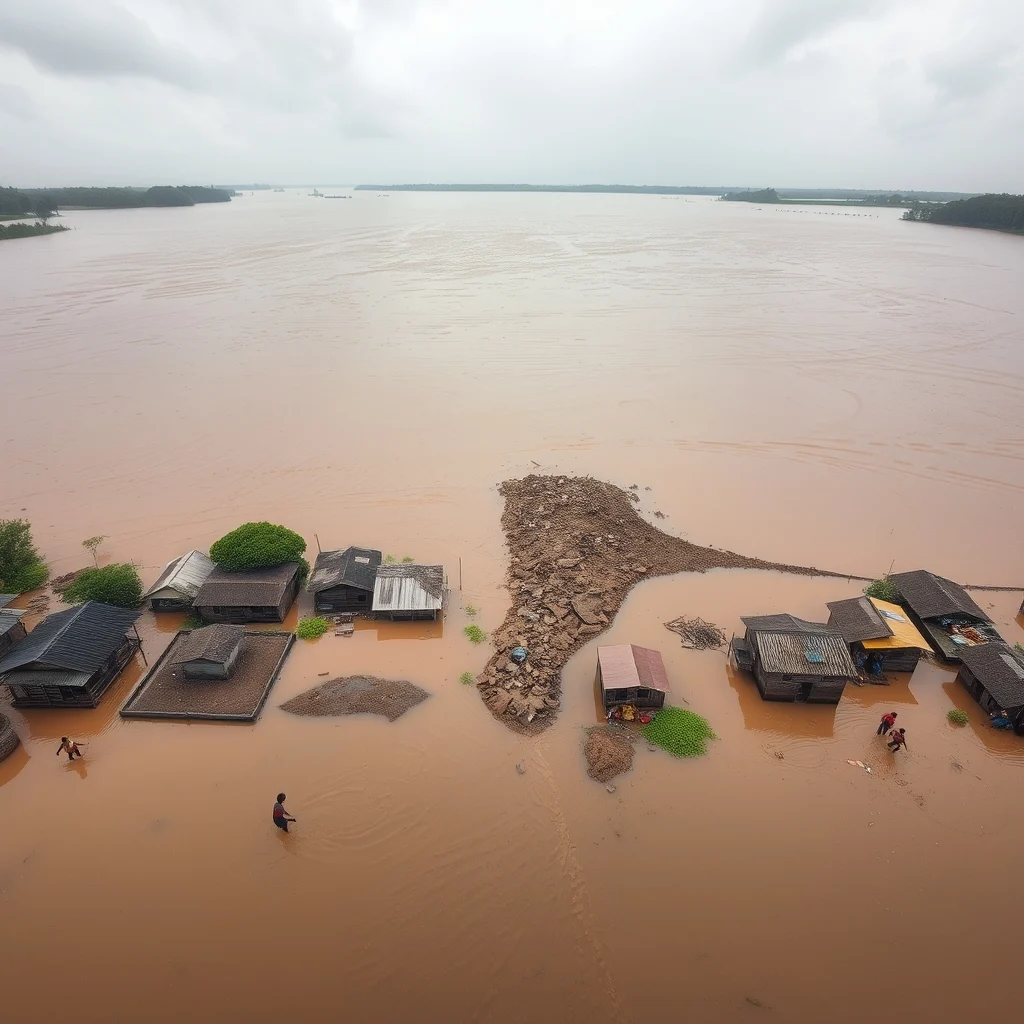
Residents of Tetegu in the Weija-Gbawe Municipality, Greater Accra Region, are expressing frustration with authorities over the perceived failure to conduct essential dredging of the Densu River and its estuary. This neglect, they contend, exacerbates perennial flooding during controlled spillages from the Weija Dam, a situation that has recently displaced several households despite receding water levels and ongoing managed releases.
Background of Recurring Flooding
The Weija Dam, a critical water source for Accra, often requires controlled spillage operations when its reservoir reaches capacity, particularly during the rainy season. These spillages release water downstream into the Densu River, which flows through populated areas including Tetegu. Historically, inadequate maintenance of the river’s channel and estuary has led to a buildup of silt and debris, constricting water flow.
When the dam spills, the constricted river cannot accommodate the increased water volume, causing it to overflow its banks and inundate nearby communities. This has become a recurring cycle, with residents facing displacement and property damage year after year.
Residents Demand Proactive Measures
Following the latest flooding incidents, Tetegu residents are urging the government to prioritize long-term solutions over reactive measures like potential demolitions. They argue that the recent, albeit temporary, improvement in drainage is due to the natural opening of the estuary, allowing floodwaters to recede into the sea.
Community leaders are calling for a permanent solution that involves consistent annual dredging of the Densu River and the continuous maintenance of its estuary. This, they believe, would significantly improve the river’s capacity to handle excess water from dam operations.
Challenging Wetland Claims
The Youth Chief of Tetegu, Torgbui Ddidzyenyu Atukpa Tsikopor, directly refuted claims that the community is situated within a wetland. He asserted that proper desilting of the Densu River and its estuary would effectively mitigate flooding, rendering such arguments irrelevant.
Torgbui Tsikopor stressed the importance of prioritizing infrastructure maintenance over displacement strategies, advocating for interventions that safeguard residents’ homes and livelihoods.
Economic and Social Impact
The Chairman of the Landlords Association, Torgbui David Brown, highlighted the severe impact of the flooding on residents’ lives and property. He lamented the continuous cycle of destruction and appealed for urgent government intervention to prevent further hardship.
The recurring floods disrupt daily life, damage homes and businesses, and incur significant economic losses for the affected community. Residents are demanding immediate and sustained action to protect their community from future disasters.
Future Outlook and What to Watch
The situation in Tetegu underscores a broader challenge of urban planning and infrastructure maintenance in flood-prone areas. As the rainy season continues and the possibility of further Weija Dam spillages remains, attention will be on whether authorities heed the residents’ calls for proactive dredging and estuary management. The effectiveness of these measures in preventing future flooding and the government’s approach to balancing development with disaster risk reduction will be key indicators to watch.










Leave a Reply