
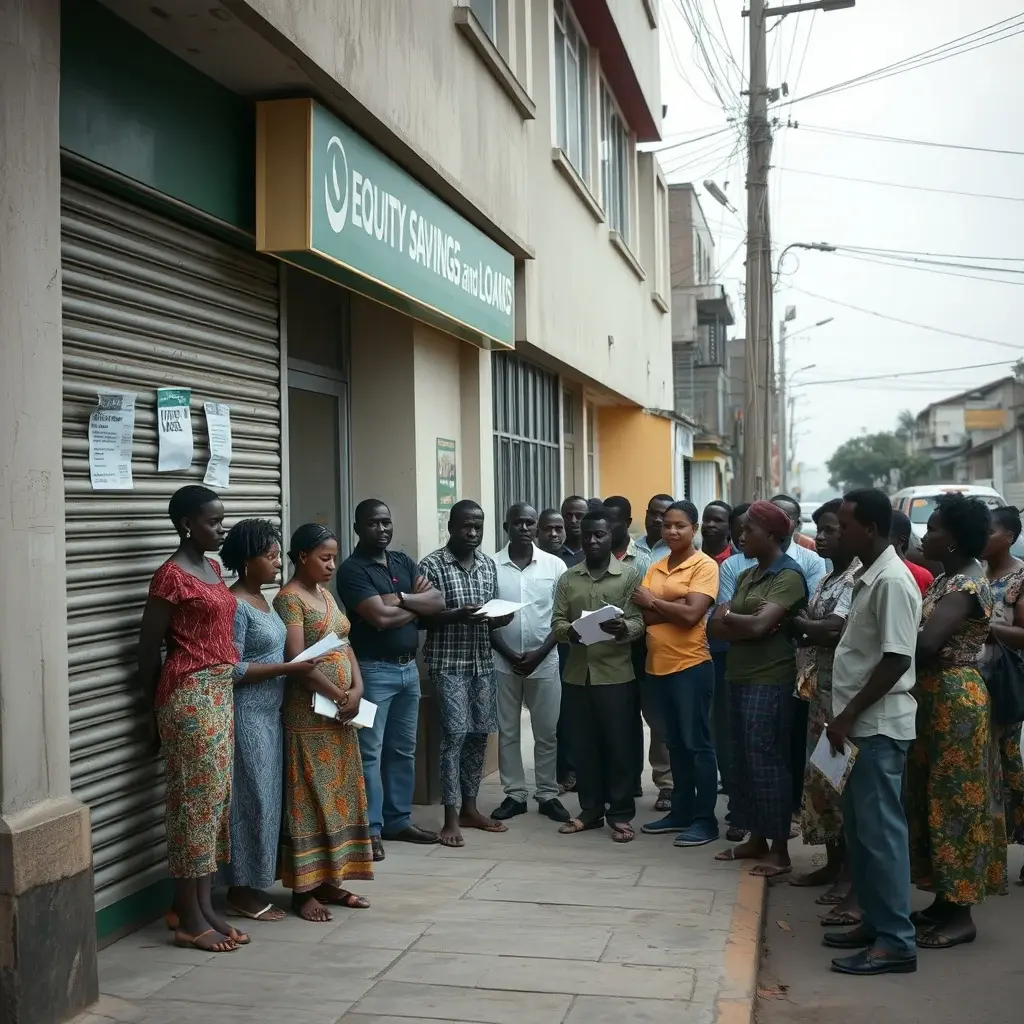
Thousands of customers of Equity Savings and Loans Limited are reportedly unable to access their funds, signaling a potential collapse of the financial institution. The situation, which has been unfolding over recent months, has left depositors in Ghana stranded, sparking anger, anxiety, and renewed concerns about the stability of the nation’s savings and loans sector.
Mounting Crisis for Depositors
Affected customers have spoken out about their inability to withdraw savings, with some branches of Equity Savings and Loans reportedly closed or no longer operational. For many, this lack of access has immediate and severe consequences, hindering their ability to meet basic living expenses, sustain businesses, or fulfill investment obligations.
Even prior to the widespread reports of closure, customers experienced difficulties accessing their money. They frequently encountered explanations citing liquidity challenges, indicating underlying financial strain within the company.
Business and Livelihood Disruption
The inability to access funds directly impacts individuals and small business owners. One customer, who imports phones, laptops, and accessories, described being forced to halt restocking plans after being denied a large withdrawal. This situation is mirrored by others who rely on their savings to manage inventory and cash flow.
“When the dollar started skyrocketing, I decided to take a huge sum from my account because I am into importation of phones, laptops and accessories so I can restock my shop. The first time I went for GH¢80,000, I was told I cannot take such amount because they don’t have enough money,” the customer told JoyNews.
Branch Closures and Lack of Transparency
Many depositors only became fully aware of the severity of the situation upon visiting branches, only to find them locked. Some reported that operations at specific branches had been suspended for months, with a conspicuous absence of communication from management regarding the status of their funds or the company’s operations.
“For four months now, they haven’t been operating at the Lapaz branch. I personally save there and I have noticed they have not been operating,” another depositor shared.
The lack of transparency has fueled uncertainty. Customers have described repeated visits to offices only to find them empty, with no clear information provided about when or if operations would resume. This has left clients in the dark about the institution’s financial health and the safety of their deposits.
Financial Distress and Eroding Confidence
The inability to access savings has plunged many households and small business owners into financial distress. Reports indicate that individuals are struggling to restock goods, pay rent, and cover daily living expenses. This is particularly acute for those whose savings were intended for active trading and investment purposes.
The unfolding crisis at Equity Savings and Loans has significantly eroded depositor confidence, not only in the institution itself but also in the broader savings and loans sector in Ghana. Concerns are mounting over the security of funds held within similar financial entities.
Broader Sector Concerns
The situation at Equity Savings and Loans raises critical questions about regulatory oversight and the financial health of other institutions within Ghana’s savings and loans industry. Past financial sector cleanups in Ghana have aimed to strengthen stability, but this incident suggests vulnerabilities may persist.
Financial analysts note that savings and loans companies play a crucial role in providing accessible financial services, especially to small and medium-sized enterprises. Their failure can have ripple effects throughout the economy.
Looking Ahead
The coming weeks will be critical in determining the full extent of the fallout from the apparent collapse of Equity Savings and Loans. Depositors will be looking to the Bank of Ghana and other regulatory bodies for clear communication and a definitive plan for asset recovery or resolution. The incident is likely to intensify scrutiny on the financial health and operational transparency of other savings and loans institutions, potentially leading to stricter regulatory measures or increased due diligence by consumers.










Leave a Reply